XS Series Sand Washer

XS series sand and stone washing machine is widely used in construction sites, sand and stone factories, hydropower station concrete dam construction sites and other industries. It has the characteristics of high cleaning degree, reasonable structure, large processing capacity and low power consumption. Less sand is lost in the process of sand washing, especially the transmission part of the sand washing machine is isolated from water and sand, so its failure rate is much lower than that of the current commonly used sand washing machine. It is a wise choice for upgrading the domestic sand washing machine industry.
It has the advantages of high cleaning rate, low failure rate, durability, novel structure, simple maintenance and so on.
  • 01 Production capacity: 20-180T/H
  • 02 Applicable materials: river pebbles, granite, basalt, iron ore, limestone, calcite, quartzite, pyroxene, etc.
  • 03 Scope of application: sand and stone field, concrete sand, dry powder mortar, mechanism sand, power plant desulphurisation, quartz sand, etc.
  • 1. Simple structure and easy maintenance:

    The whole machine adopts a simple and reasonable structural design, without complex redundant parts, and the layout is scientific, which is not only convenient for on-site installation and debugging, but also extremely convenient for daily maintenance. Without professional and technical personnel, ordinary operators can complete basic inspection, cleaning and other maintenance work, greatly reduce operation and maintenance costs and downtime, and ensure the continuous and efficient operation of the production line.

  • 2. The machine has almost no wearable parts except the screen:

    The core components are made of high-strength wear-resistant materials. After special process treatment, they have excellent corrosion resistance and wear resistance. Except for the normal wear of the screen due to long-term contact with sand and gravel, the rest of the key parts are not easy to damage, which effectively reduces the replacement frequency and procurement costs of consumable parts.

  • 3. Long service life, long-term maintenance-free:

    Relying on reasonable structural design and high-quality component configuration, especially the design of the transmission part to isolate from water and sand, it greatly reduces the incidence of equipment failure and extends the service life of the whole machine. The equipment operates stably and reliably, does not require frequent maintenance in daily life, and can be operated continuously for a long time, further improving production efficiency and reducing users’ operation and maintenance investment.

Working Principle:

The motor drives the impeller to rotate slowly after decelerating through the triangular belt, reducer and gear. The sand and gravel enter the washing tank from the feeding trough, tumble under the drive of the impeller, and grind each other to remove the impurities covering the surface of the sand and stone, and destroy the water vapour layer covering the sand particles, so as to promote dehydration. At the same time, add water to form a strong water flow, take away impurities and foreign objects with small specific gravity in time, and discharge them from the overflow outlet washing tank to complete the cleaning effect. Clean sand and stone are taken away by the blade, and the sand and stone are poured into the discharge trough from the rotating impeller to complete the cleaning of the sand and stone.


Product Parameters:

Model XS2600 XS2600II XS2800 XS3200 XS3600
Impeller diameter(mm) 2600 2600 2800 3200 3600
Speed(rpm) 0.8-1.2 0.8-1.2 0.8-1.2 0.8-1.2 0.8-1.2
Capacity(t/h) 20-50 30-70 50-100 80-120 120-180
Power(kw) 4 4 5.5 5.5 7.5


Product Instructions for Use:

  1. Check before power-on: remove debris around the equipment and in the washing tank, and check whether the bolts of each connection part are tight; check whether the motor, reducer, gear and other parts are sufficiently lubricated, whether the circuit connection is reliable, and whether the grounding is good; after confirming that the screen is not damaged, the impeller rotates flexibly, and there is no jamming phenomenon, the equipment can be started.
  2. Operation: After the equipment is started, wait for the operation to run smoothly and then feed evenly, control the feeding speed to match the amount of water, and ensure that the sand and gravel are fully rolled and cleaned; closely observe the operation status of the equipment during operation, check whether the impeller rotates, the water flow size is normal, and whether there is abnormal noise, water leakage, etc., and immediately stop the problem for troubleshooting.
  3. Downtime operation: stop feeding first, continue to add water and run for 3-5 minutes, clean and discharge the residual sand and stone in the washing tank; turn off the water source, and turn off the power supply after the impeller stops rotating completely; after shutdown, clean up the residual materials in the washing tank, impeller and discharge tank in time to avoid clumping and blockage.
  4. Safety specifications: When the equipment is running, it is strictly forbidden to touch the impeller, gears and other rotating parts by hand, and it is strictly forbidden to open the protective cover of the equipment; it is strictly forbidden to overload feeding to avoid damage to the equipment; it is strictly forbidden to clean up, adjust or overhaul operations during operation. Before overhaul, the power supply must be cut off and the equipment must be completely stopped.


Product Maintenance:

  1. Daily maintenance (must be done every shift): clean up the equipment surface, washing groove, impeller and sieve residual materials after downtime to avoid material corrosion and clumping; check the tightening of each connection bolt, and tighten it in time when it is loose; check the oil level of the lubricating part, and replenish the suitable model lubricant in time when it is insufficient; check whether the sieve is damaged, if it is damaged If it is broken, replace it in time.
  2. Regular maintenance (weekly/monthly): check the operating status of the motor and reducer every week, clean up the dust and debris on the surface, and check the insulation of the line; check the wear of the impeller every month, and repair or replace it in time if there is serious wear; check the wear and loosening of the transmission parts (triangular belt, gear), and adjust or replace it in time ; Check the sealing part of the equipment to prevent water leakage and sand leakage.
  3. Long-term downtime maintenance: Before long-term downtime, thoroughly clean up the residual materials inside and outside the equipment, rinse them with water and dry them; empty the lubricating oil of each lubricating part and store it properly; place the equipment in a dry and ventilated place, and do a good job of dustproof and moisture-proof treatment to avoid parts rusting; before re-use, comprehensively check the status of the equipment and add Start after the new lubricant.
  4. Maintenance taboos: It is forbidden to use lubricating oils and consumable parts that do not meet the requirements to avoid damage to the core parts of the equipment; it is forbidden to disassemble the core parts of the equipment at will. If disassembly is necessary, it should be operated according to the specifications; it is forbidden to carry out maintenance and overhaul without complete shutdown and power supply.


Application scenarios:

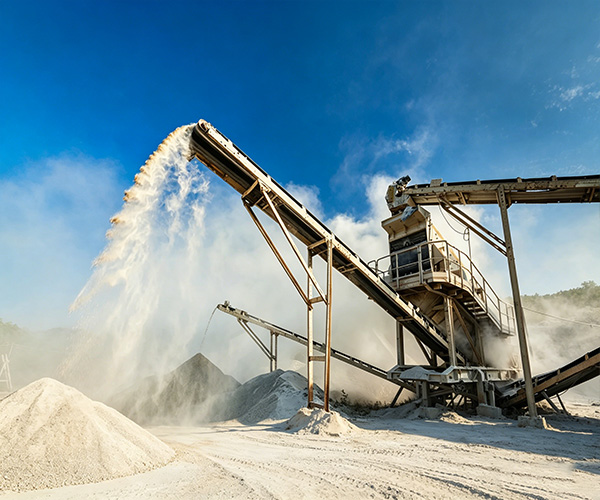
XS series sand washing machine is mainly used for the washing, selection and desludgeing link in the sand and stone aggregate production line and mechanism sand production system. It is used to clean the dirt, impurities and fine powder in the mechanism sand or natural sand to improve the cleanliness and quality of the finished sand. It is an important equipment to improve the added value of sand and stone.

(1) In the sand and stone production line, the XS sand washing machine is usually located in the finished product processing link after the sand-making machine or vibrating screen. The machine sand after sieving is cleaned and dehydrated, so that the finished sand meets the standards of construction sand and improves the use performance of concrete and engineering materials.

(2) It is widely used in mining, building materials, hydropower engineering and concrete mixing stations and other industries. It is especially suitable for production scenarios with high requirements for sand cleanliness. It is the key supporting equipment in the modern high-quality mechanical sand production line.


FAQ:

Q:Where is the XS spiral sand washing machine located in the production line and what is its main function?

A:The XS spiral sand washing machine is arranged at the rear end of the vibrating screen and in front of the finished material stack, which belongs to the rear-end cleaning and purification equipment of the sand and stone production line. Through spiral stirring and water washing and sedimentation, it separates soil, dust, impurities and sludge in sand and stone, cleans cleans and high-purity fine sand and stone, and improves the commercial value of aggregates. It is often used with fine sand recovery equipment.

Q:What materials are suitable for cleaning the XS spiral sand washing machine? What working conditions are suitable for?

A:It is mainly used for river pebbles, quartz sand, mechanical sand, limestone aggregates, construction waste regeneration sand and stone and other cleaning operations. It can handle sand and stone raw materials with large mud content and many impurities. It is suitable for the washing scenarios of mines, sand and stone plants, infrastructure and dry powder mortar raw materials. It can be used for continuous high-flow washing operations.

Q:Why do you give priority to XS spiral sand washing machine for the production of fine sand and stone?

A:The XS spiral sand washing machine has a large cleaning capacity, high cleaning degree, less sand and stone loss, can operate continuously, and has a simple structure and low failure rate. For the outstanding cleaning effect of high-mud content sandstone, it can effectively reduce the mud content and powder content of sandstone, so that the finished aggregates can meet the high-grade material standards such as commercial mixing and high-speed infrastructure.

Q:What are the core advantages of XS spiral sand washing machine?

A:The tank volume of the equipment is large, the processing capacity is strong, the spiral blades are pushed evenly, and the sand and gravel are fully cleaned; the whole machine has good sealing performance, and the bearing is far away from the water and silt, and it is not easy to damage water; the operation is stable, low energy consumption, simple installation and maintenance, and multiple machines can be used in parallel, suitable for large-scale washing operation of large and medium-sized sand and stone production lines.

Q:How stable is the operating stability of the XS spiral sand washing machine? Is it prone to failure?

A:The whole machine adopts thickened grooves, thickened spindles, heavy-duty sealed bearing components, and reinforced bracket structure, which can be immersed in the sediment and water environment for a long time for continuous operation. The transmission parts of the whole machine are perfectly protected, the silt and sand are not easy to invade, there are few daily failures, can be operated continuously around the clock, and the operation and maintenance cost is low.

Q:What are the core advantages of XS spiral sand washing machine?

A:The tank volume of the equipment is large, the processing capacity is strong, the spiral blades are pushed evenly, and the sand and gravel are fully cleaned; the whole machine has good sealing performance, and the bearing is far away from the water and silt, and it is not easy to damage water; the operation is stable, low energy consumption, simple installation and maintenance, and multiple machines can be used in parallel, suitable for large-scale washing operation of large and medium-sized sand and stone production lines.

Products
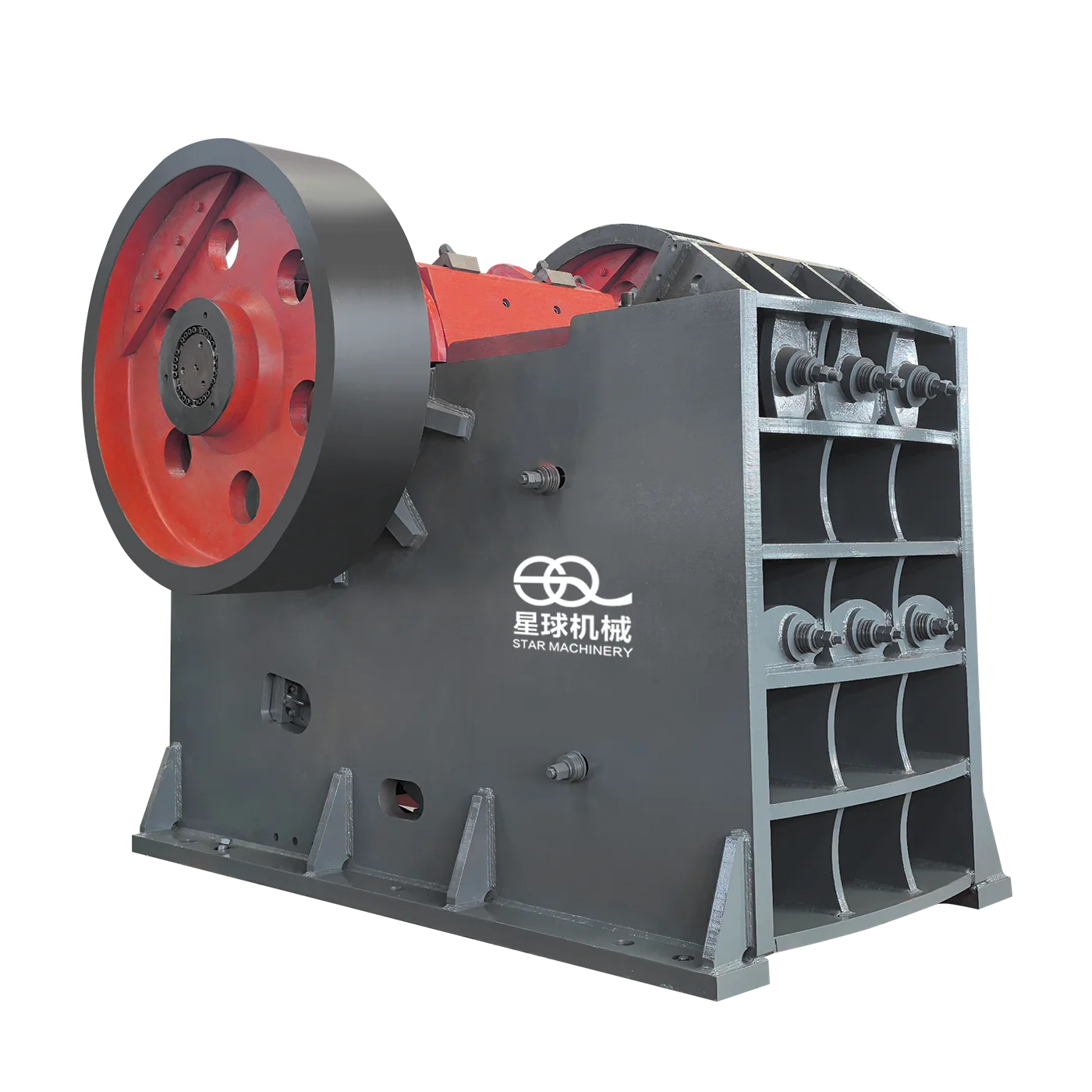
PEPEX Jaw Crusher (2)

PE/PEX Jaw Crusher

The jaw crusher is used in the first process of crushing all kinds of ores and rocks. It can process various ores with a compressive strength of no more than 320MPa to medium particle size at one time. It often forms a complete set of sand and stone production lines with cone crushers, counter impact crushers, sand-making machines, etc., which are widely used in mines, metallurgy, chemical industry, building materials, electricity Power, water conservancy, transportation and other fields. PE series is used for coarse crushing operations, and PEX series is used for medium crushing or fine crushing operations to meet different crushing needs.
It is a kind of crushing equipment with simple structure and stable performance. With its efficient crushing ability, it has become one of the core equipment for material crushing in mines and various industrial fields.
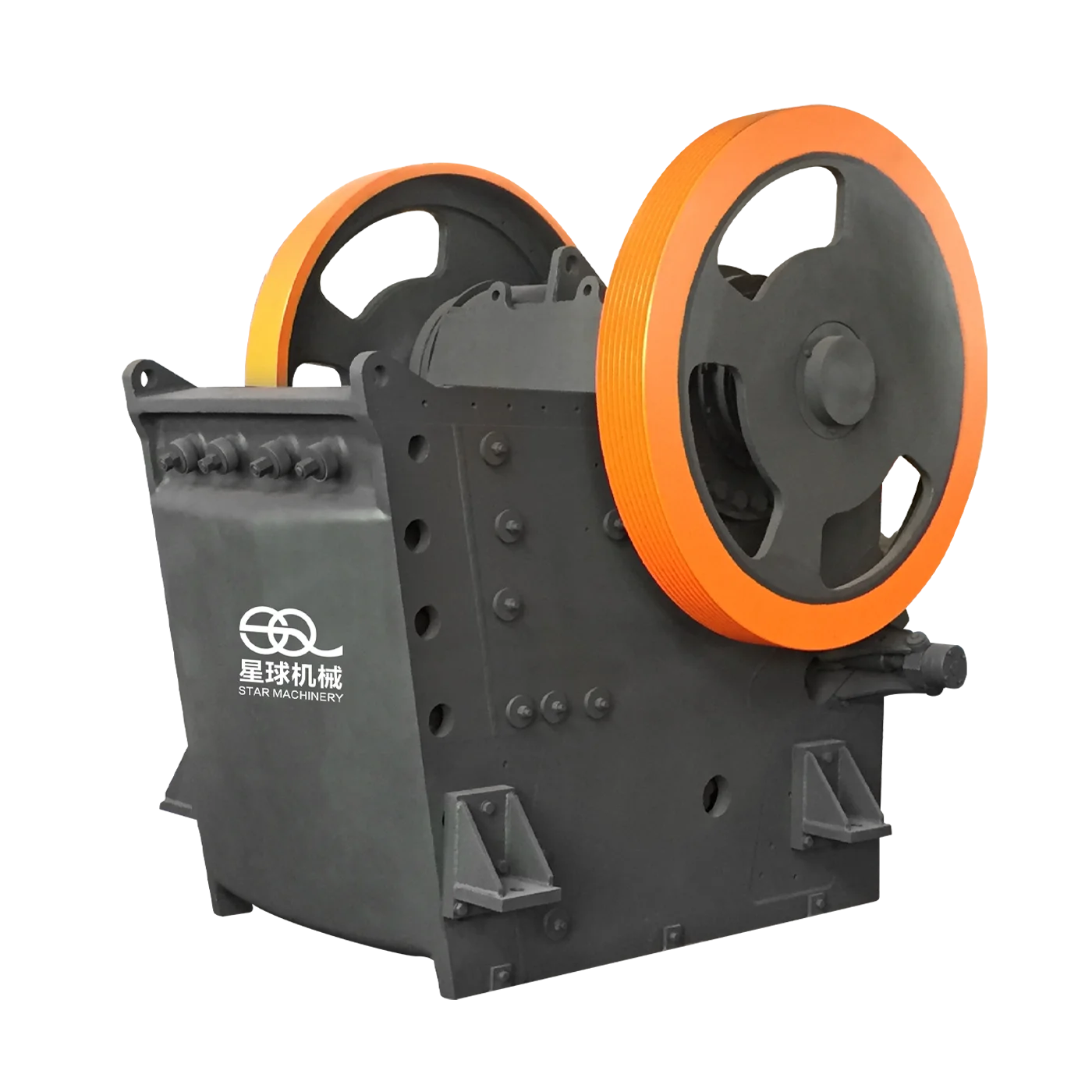
JC series Jaw Crusher 001

JC Series Jaw Crusher

The birth of the new generation of jaw crusher JC is due to the accumulation of rich experience and the large adoption of computer simulation and CAD design. Compared with the old generation of jaw crushers, the JC crusher has increased its own strength and reduced the self-weight of the equipment. Its high yield and low cost make it the first choice of jaw crusher for the majority of users.
The JC jaw crusher is designed using modern CAD technology, and all models are analysed by finite element technology to ensure that the internal stress level is within the appropriate range, which ultimately makes the JC crusher have the characteristics of high structural strength and light equipment weight.
It strengthens its own strength and reduces the self-weight of the equipment. It has the advantages of high yield, low cost, high structural strength and light equipment weight.
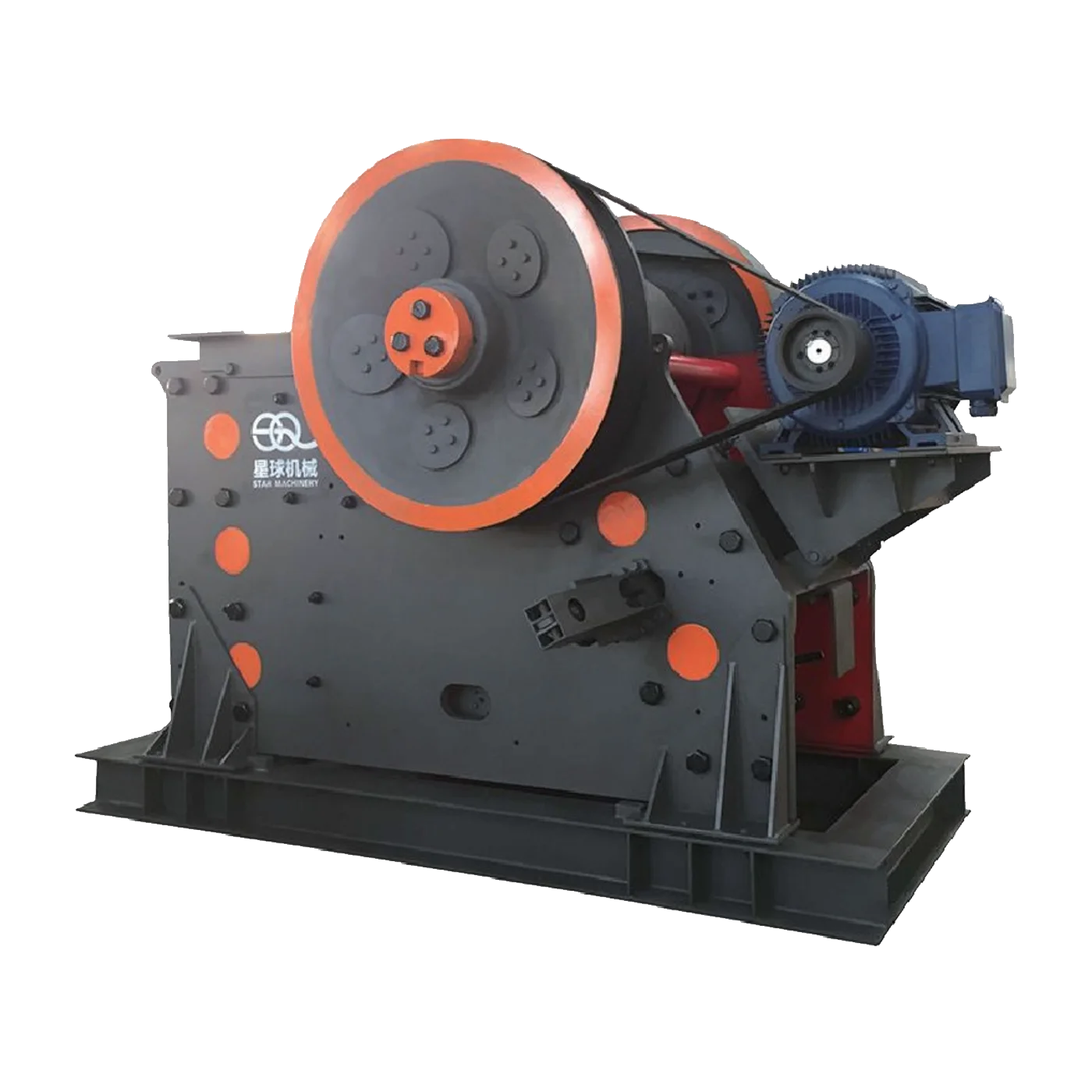
EC series Jaw Crusher (1)

EC Series Jaw Crusher

Star Machinery EC series jaw crusher is developed and designed based on crushing various hard rock conditions. It adopts an innovative modular and welding-free frame structure, thus giving the equipment excellent fatigue resistance, reliability and multiple installation methods. Thanks to the precise and balanced overall structure, the EC series jaw crusher is economical and easy to install. With the use of special high-quality cast steel components and durable wear parts, it is given excellent applicability, outstanding economy and low operating costs.
Based on the development and design of various hard rock conditions, it adopts an innovative modular and non-welded frame structure, which has the advantages of economical and simple installation.
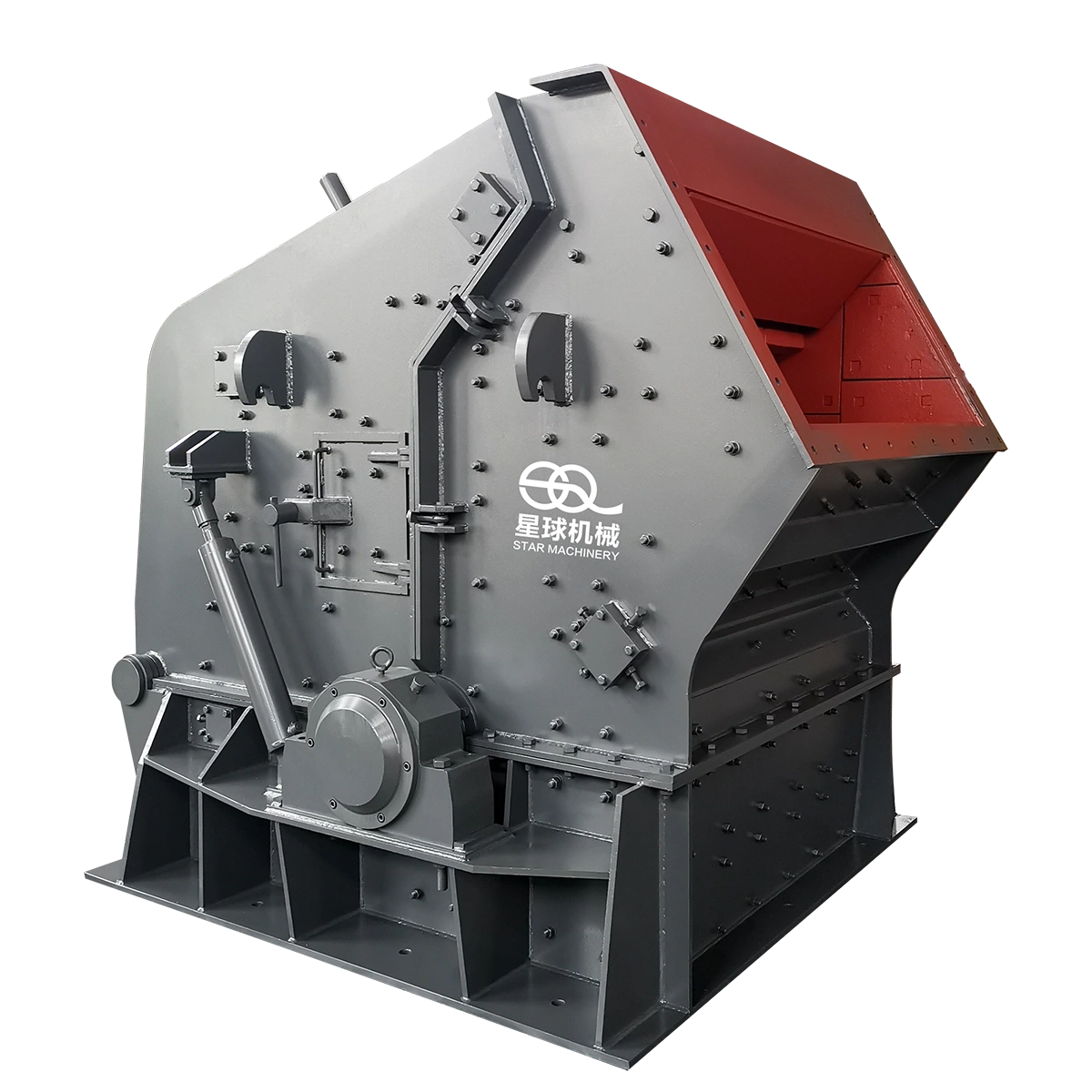
PF-Impact-Crusher-1-1

PF Impact Crusher

The impact crusher is configured in the middle crushing after the coarse crusher, which can crush ores and rocks with a compressive strength of no more than 360 mPa, with the characteristics of large processing capacity and fine discharge. The crushed product is cubic, with low needle-like content and no internal cracks. It is the first choice equipment for the production of high-quality stone in high-grade highways, water conservancy, airports, construction and other industries.
It is used for coarse crushing and medium crushing. It can process pressure-resistant ≤360 megapascal ore rocks. The processing volume is large, the discharge is fine, and the finished product is cubic, which is suitable for high-quality stone production in highways, water conservancy and other industries.
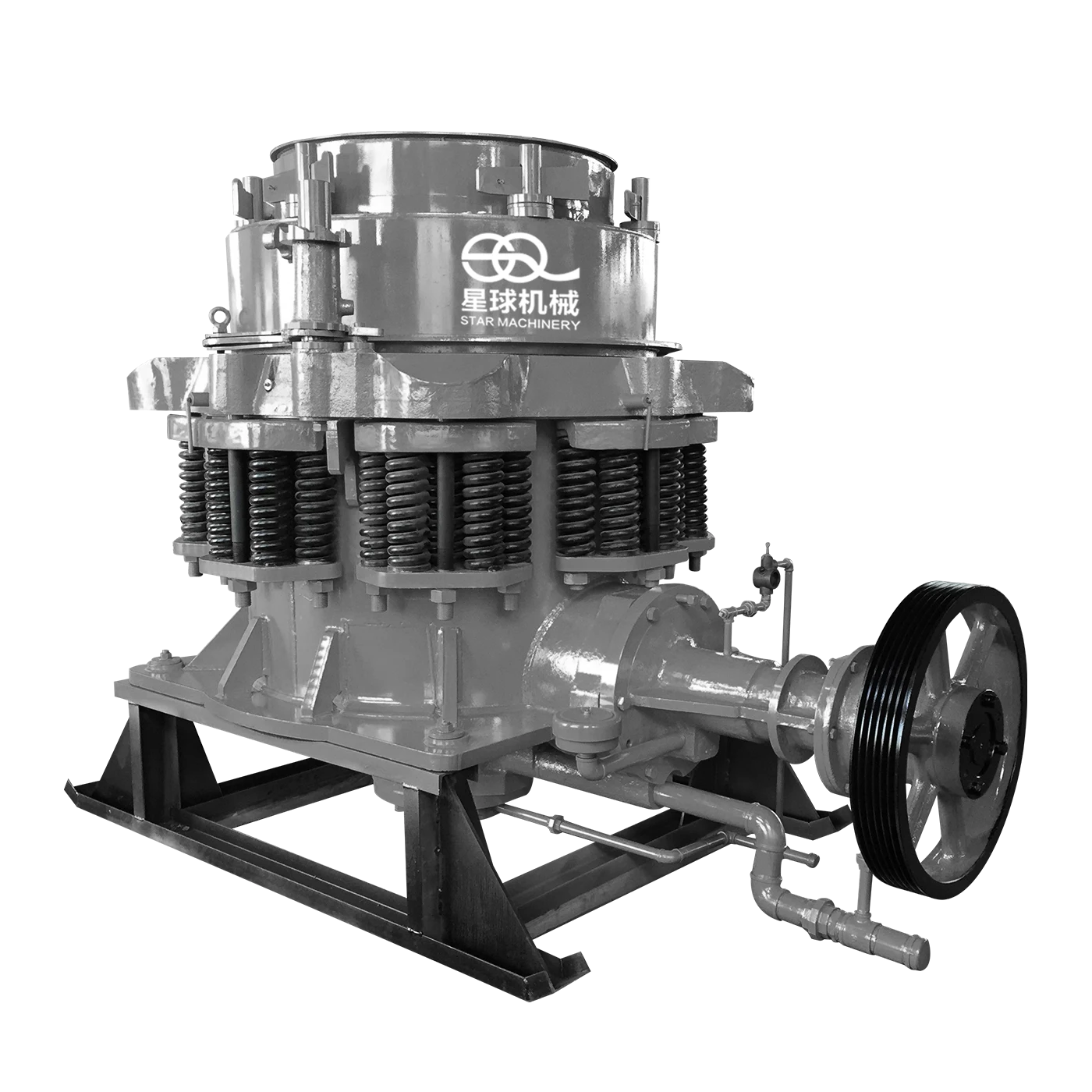
PY-Cone-Crusher-001-1

PY Cone Crusher

This series of crushers is used to crush all kinds of ores and rocks of medium hardness or higher. It has the characteristics of reliable structure, high production efficiency, convenient adjustment and economy. Its spring insurance system is an overload protection device that can make the foreign iron block pass through the crushing cavity without harming the machine. It adopts two sealing forms of dry oil or water to isolate the stone powder from the lubricating oil and ensure reliable operation. The form of the crushing cavity is determined by the purpose of the ore. The standard type is suitable for medium crushing, medium-sized, and the short-head type is suitable for fine crushing.
It has the advantages of high production efficiency, low energy consumption, uniform particle size of finished products, extended service life and so on.
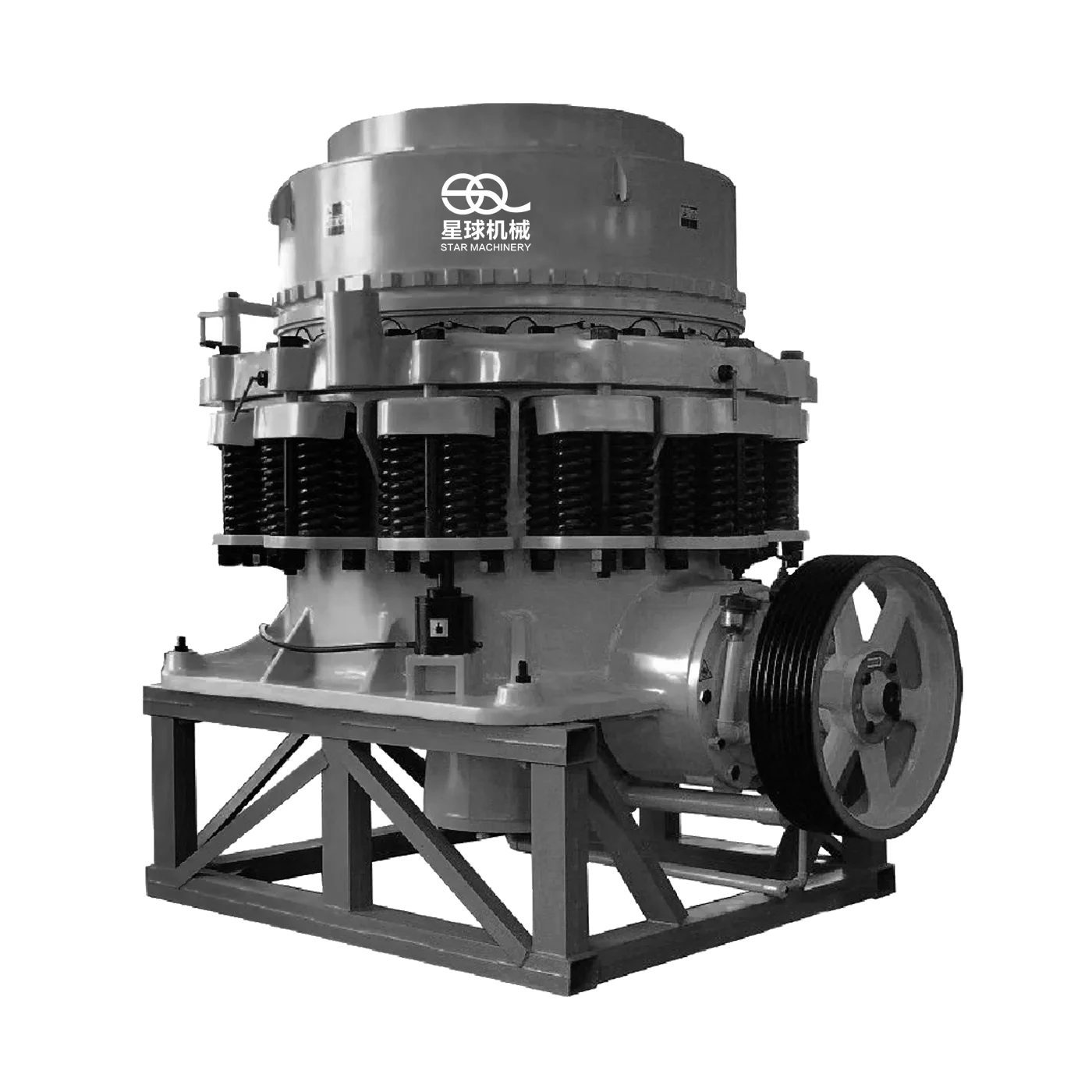
PYF Cone Crusher 001

PYF Cone Crusher

It is mainly used in the secondary and tertiary crushing links of the production line. It has a wide range of applications and can be used in industries such as metallurgy, building materials, road construction, chemical industry and so on. It can easily crush all kinds of ores and rocks of medium hardness and above, without worrying about the problem that the hardness of the material is not suitable enough. This equipment is divided into two models. The standard type is mainly used for coarse and medium crushing operations, and the short-head type is suitable for medium crushing and fine crushing.
It is usually used in secondary crushing and tertiary crushing. It is suitable for crushing all kinds of ores and rocks of medium and above hardness.

Recent news
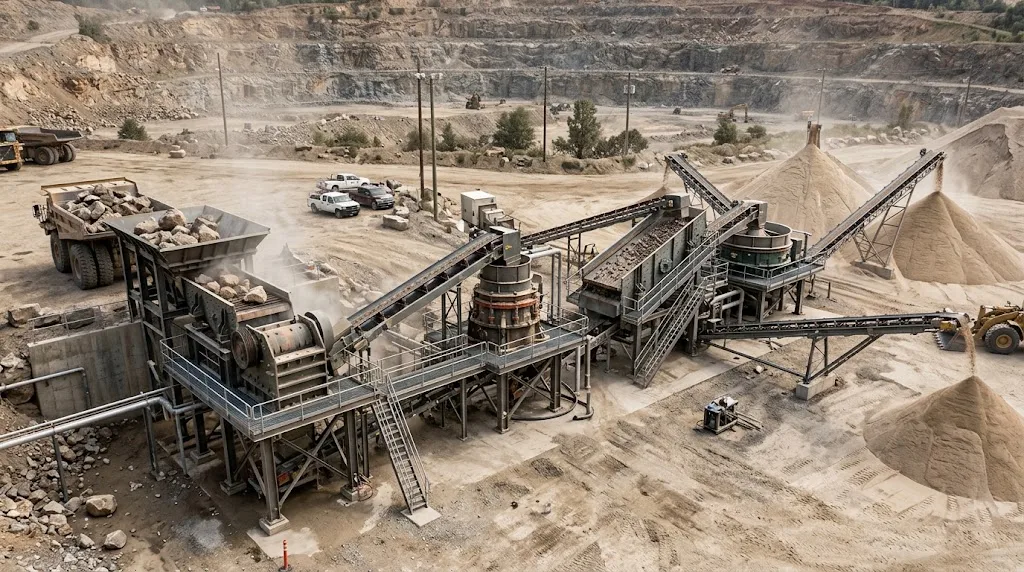
7 essential crushing machinery steps from stone to

7 essential crushing machinery steps from stone to sand

Nov 5, 2026
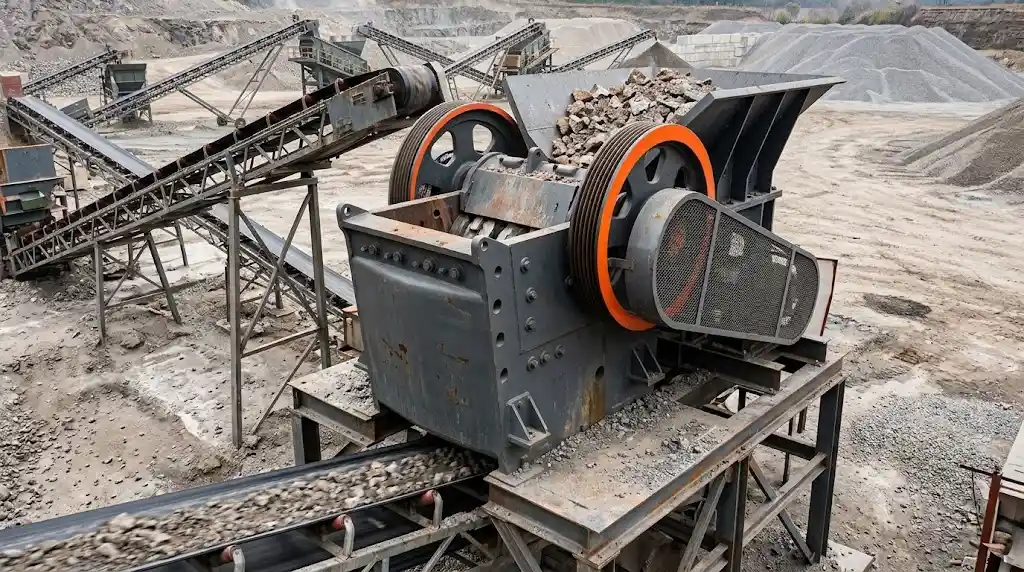
** Learn how crushing machinery moves raw stone through feeding, crushing, screening, sand making, washing, and optional dewatering to produce manufactured sand.
READ MORE
Crusher Machine Components Parts, Functions, and Spare Parts Guide

What Are the Components of a Crusher Machine?

Oct 29, 2026
Learn the main components of jaw, cone, impact, and roll crushers, how each part works, and how to select the right Crusher Spare Parts for maintenance.
READ MORE
What Is a Roll Crusher

What Is a Roll Crusher?

Oct 23, 2026

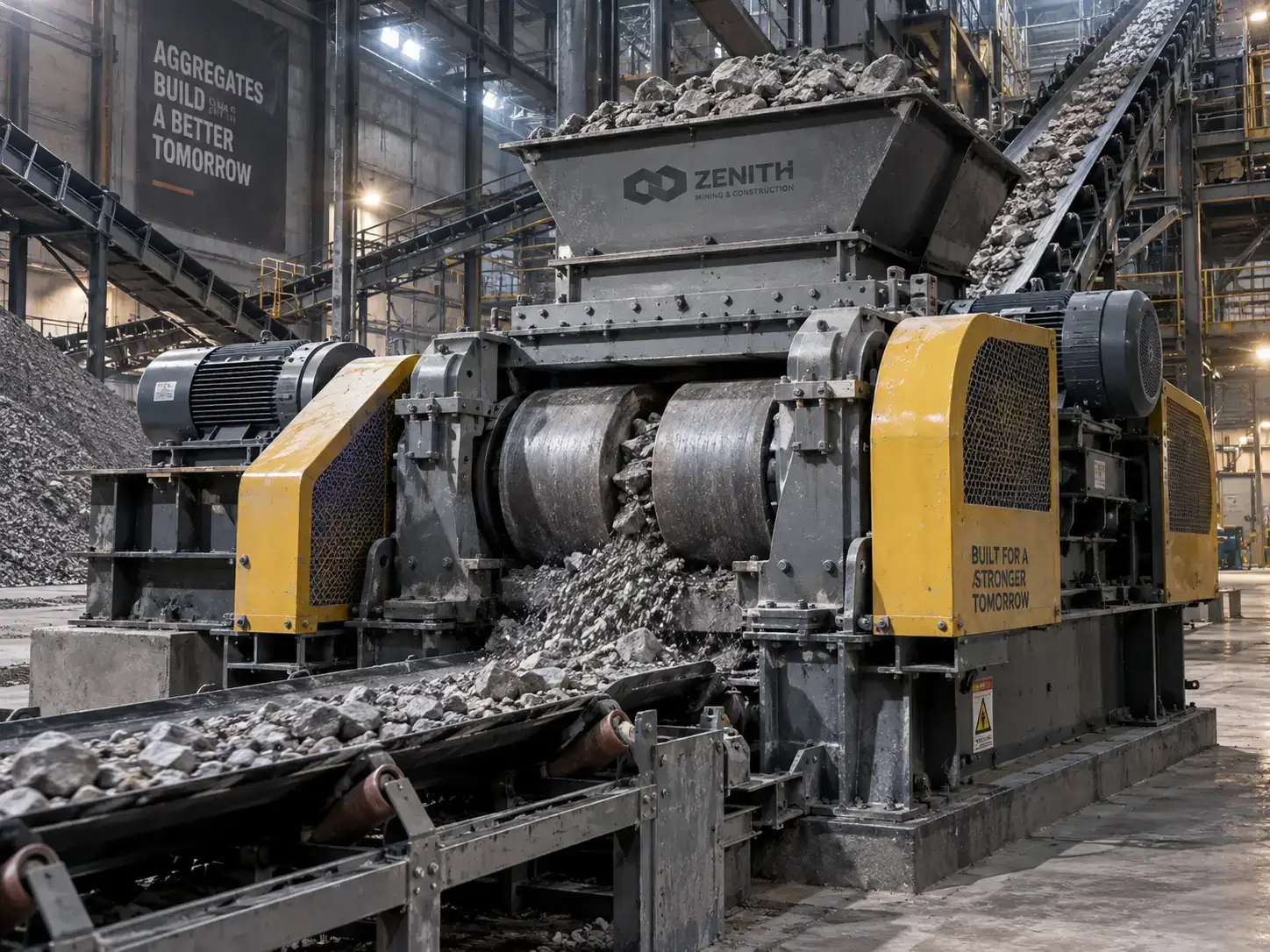
A roll crusher reduces stone, ore, and other solid feed between rotating cylindrical rolls. In a double-roll arrangement, the rolls turn inward and pull material into a narrowing gap. Pressure fractures the particles; grooves or teeth can add shear. These machines are used for fine crushing, sand making, and controlled sizing. What Is a Roll Crusher? The name describes the working part. One or more heavy rolls apply force directly to the feed. “Roll crusher” and “roller crusher” usually refer to the same equipment category. The term crushing roller means the roll or roller-ring assembly that contacts the material. A single-roll machine works against a fixed crushing surface. A double-roll machine uses two opposing rolls and discharges through the space below them. Roll surface, feed properties, and machine configuration decide whether either layout suits the job. How Does a Roll Crusher Work? Feed enters from the top. Friction draws each particle downward as the space between the rolls becomes tighter. Pressure fractures the particle, and a grooved or toothed surface adds cutting and tearing forces. Counter-Rotating Rollers Both rolls rotate toward the center. Motors transmit power through belts, a reducer, gears, or chains. Poor alignment creates an uneven gap and concentrates wear on part of the working width. Material should arrive at a steady rate across the rolls. A pile on one side loads that section more heavily, and sudden lumps create impact loads. Metal pieces can mark the roll surface or strain the transmission. Any overload mechanism must match the duty. Roller Gap and Output Size The gap between the rolls forms the discharge opening. Closing it generally makes the product finer. Opening it allows larger particles to leave. Particle shape, hardness, moisture, spring pressure, and roller wear all influence the grading, so a nominal gap is only the starting setting. Set the machine for the actual feed, run a sample, and check the product. Gap adjustment may be mechanical, spring loaded, or hydraulic. Spring force affects resistance to the feed and the response to an overload. What Are the Main Parts of a Roll Crusher? The crushing roller receives the most direct wear. Its surface can be smooth, grooved, corrugated, or toothed. Bearings carry the rotating load, and the frame keeps both rolls in position. The YB double-roll crushing system combines adjustable spring force with a roller-wear compensation mechanism. The operator can reset the working gap as the roller ring wears. Belts, a reducer, chains, or gears carry motor power to the rolls. Lubrication points serve moving parts, guards cover the transmission, and adjustment hardware holds the selected gap. Common Types of Roll Crushers Two details define most roll-crusher categories: the number of rolls and the surface fitted to them. Together, they determine how the machine catches its feed and what kind of breakage occurs. Single-Roll Crushers A single-roll crusher presses material against a stationary surface. Teeth or raised profiles catch the feed. This construction serves selected primary or secondary sizing duties with friable material. Double-Roll Crushers Two rolls turn toward one another in a double-roll crusher. Material fractures between them and drops through the bottom opening. Adjusting the gap changes the product size. The XS double-roll crusher has two motors. Power passes through a belt-driven reducer and then through a chain drive to turn the rolls in opposing directions. Its roller gap and spring pressure can be adjusted for different feeds and finished-product requirements. Smooth, Grooved, and Toothed Rolls Smooth rolls use compression and suit finer sizing of brittle feed. Grooves provide a firmer grip and more shear. Teeth reach into larger or difficult-to-grip pieces during coarser work. Strong teeth can change product shape and may be unnecessary for fine sand. Choose the profile from a feed test or detailed material evaluation. Which Materials Suit Roll Crushers? Brittle material that fractures under compression is the usual candidate. Hardness and abrasiveness limits vary with the roller material and intended duty. Sticky feed can coat the rolls and interfere with discharge. The YB series, for example, is specified for medium-hard brittle material with compressive strength below 160 MPa and a feed size below 25 mm. Its listed materials include river pebbles, granite, basalt, iron ore, limestone, calcite, quartzite, and pyroxene. Applications include concrete sand, manufactured sand, dry-mix mortar, and quartz sand production. Those figures define the YB operating range. Hard, abrasive rock wears roller surfaces faster, and oversize pieces can overload the crushing zone. For a new application, send the supplier material test information or a representative sample. A material name alone does not describe its crushing behavior. Advantages and Limits of Roll Crushing An adjustable gap controls the discharge opening. Feed must stay inside the machine’s stated size and hardness range. Suitable conditions Points requiring caution Output size needs adjustment through the roll gap Oversize feed can block or overload the rolls Brittle feed responds well to compression Abrasive particles increase roller-surface wear The process suits continuous bottom discharge Metal pieces can damage rolls and drive parts The selected surface can grip the feed Sticky feed may build up in the chamber Fine crushing or sand making is required Very hard feed may require another crusher type Match the gap, spring pressure, and feed rate, then sample the product under normal load. Choose a different crusher if the feed exceeds the machine’s limits or the required output lies beyond its capacity. How Do You Select a Roll Crusher? Describe the feed by name, hardness or compressive strength, abrasiveness, moisture, maximum lump size, target product size, and required tonnes per hour. Photographs cannot show compressive strength or abrasion. Compare the roller profile, dimensions, gap range, drive power, adjustment method, and overload protection. Bulk density, feed grading, moisture, and discharge setting can change actual throughput. Review broader crusher equipment options when a roll machine falls outside the required duty. Large lumps may need primary crushing first; highly abrasive material may suit another method. Leave room to replace a roller and service the drive. Confirm spare parts, power requirements, and space for the feeder and discharge conveyor. Operating and Maintenance Basics Before startup, make sure the rolls turn freely, fasteners are secure, and the feed opening is clear. Start the crusher, then spread the feed across the roller width at a steady rate. Remove metal upstream. Operators must stay clear of rolls and transmission parts. An unfamiliar sound, irregular rotation, or sudden vibration calls for an immediate shutdown and inspection. Isolate the power before changing the gap, clearing a blockage, opening a guard, or replacing a roller surface. After production, clean the roll surfaces and chamber. Check lubrication and inspect the roller skin for uneven wear. Tighten loose fasteners during the weekly check. Store a clean, rust-protected machine in a dry, ventilated location. Roll Crusher Solutions from Star Machinery Star Machinery supplies YB and XS double-roll equipment for selected crushing and sand-making work. The stated YB capacity range is 15 to 200 t/h; the XS range is 15 to 40 t/h. Feed size, material properties, required product, and hourly output determine the model. Support can include process design, installation and commissioning, operator training, and maintenance guidance. The roll unit can also be assessed as part of a complete crushing production line with matched feeding, screening, and conveying equipment. FAQ Q1: What is a roll crusher mainly used for? A: It reduces suitable brittle material through compression and shear. Typical duties include fine crushing, controlled particle sizing, and selected sand-making applications. Q2: How does the gap between the crushing rollers affect output size? A: Closing the gap generally produces finer output. Feed hardness, shape, moisture, spring pressure, and roller wear also affect the finished grading, so operators should confirm the result with a sample. Q3: What is the difference between a smooth roll and a toothed roll crusher? A: Smooth rolls depend mainly on compression. Toothed rolls grip feed more aggressively and add a stronger shearing action, which can help with coarse or difficult-to-grip pieces. Q4: Can a roll crusher process hard rock? A: Some models process medium-hard rock. The chosen model must cover the feed’s hardness, abrasiveness, and maximum size. Highly abrasive or oversized rock can cause rapid wear or overloading. Q5: What information is needed before requesting a roll crusher quotation? A: Provide the material name, hardness or compressive strength, maximum feed size, target product size, hourly capacity, moisture, electrical supply, and site conditions. A representative sample can improve the selection.  
READ MORE

See Latest Service

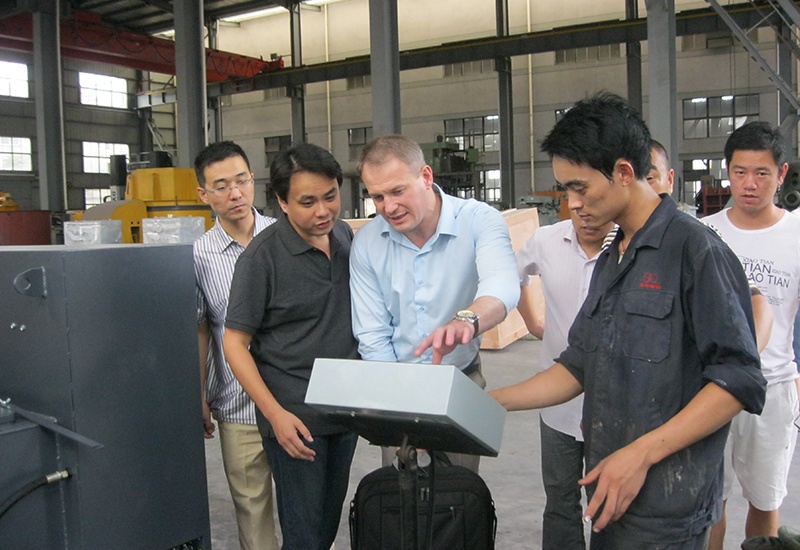
Overseas Customer Full Process Cooperation

Star Machinery is deeply engaged in the field of mine crushing equipment, providing global customers with one-stop services for pre-sale technical communication, on-site factory inspection, program customisation, business negotiation, contract signing, and after-sales technical guarantee. This overseas customer visit and cooperation fully presents the whole process from technical docking, factory verification to signing a contract, highlighting our professional technical strength and intimate overseas service system.
LEARN MORE

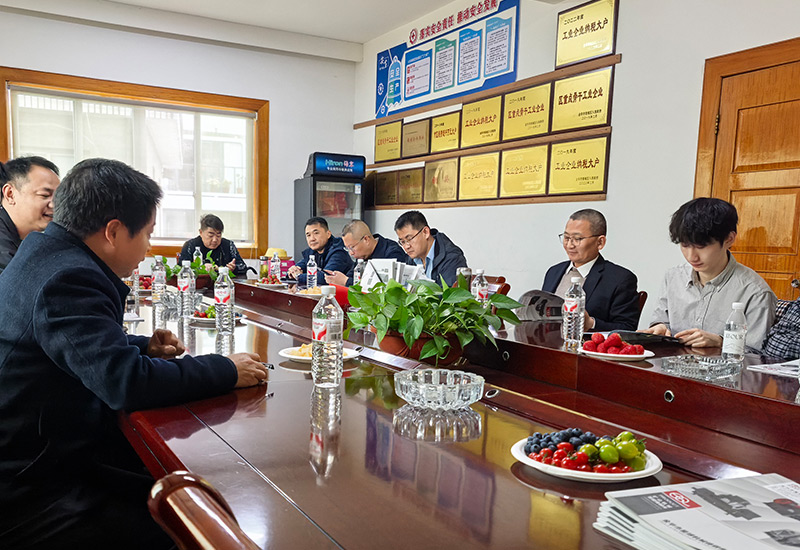
State-owned enterprise team visits in-depth technical exchange to empower industry cooperation

As a strong manufacturing enterprise in the field of mine crushing equipment for many years, Star Machinery has been recognised by many state-owned enterprises with its mature production technology, perfect quality control system and professional technical research and development capabilities. A number of core teams of state-owned enterprises came to our company to carry out on-site factory visits, technical discussions and exchanges. Our company provides a full range of services for on-site inspection of factories, explanation of production processes, docking of technical plans, and exchange of industry experience, and deepen industry cooperation.
LEARN MORE

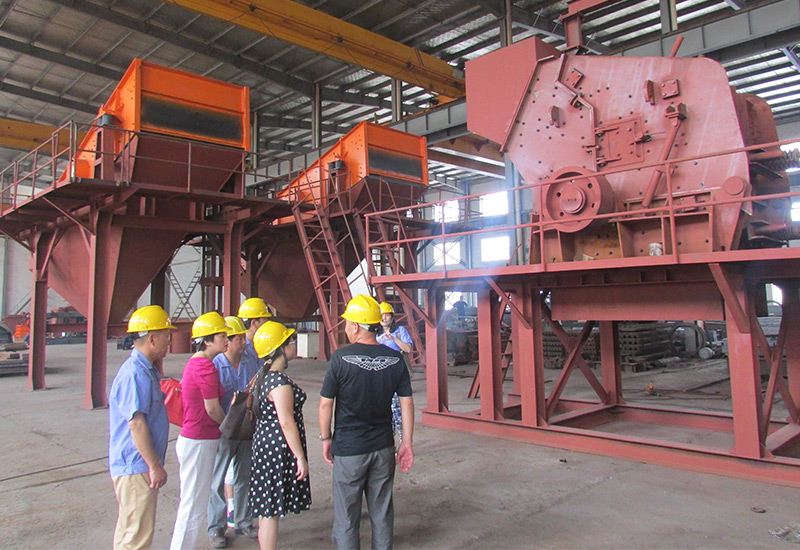
Government and enterprise leaders come to inspect technology-enabled mining equipment cooperation

Star Machinery has been engaged in the research and development and manufacturing of mining crushing equipment for many years. With advanced production equipment, strict quality control system and professional technical research and development strength, it has been highly recognised by government and enterprise units. The leading team of government and enterprises will come to our production base for a field visit. Our company will provide full-process services such as a real-time visit to the factory, explanation of production technology, demonstration of equipment technology, and in-depth exchange in the industry, so as to fully demonstrate the hard strength and technical service ability of the enterprise and deepen the cooperation between the government and enterprise.
LEARN MORE
contact

Contact us

    Products
    Contacts
    WhatsApp
    Email