- Home
- Products
- Crushing And Screening Equipment
- Crusher
- PYF Cone Crusher
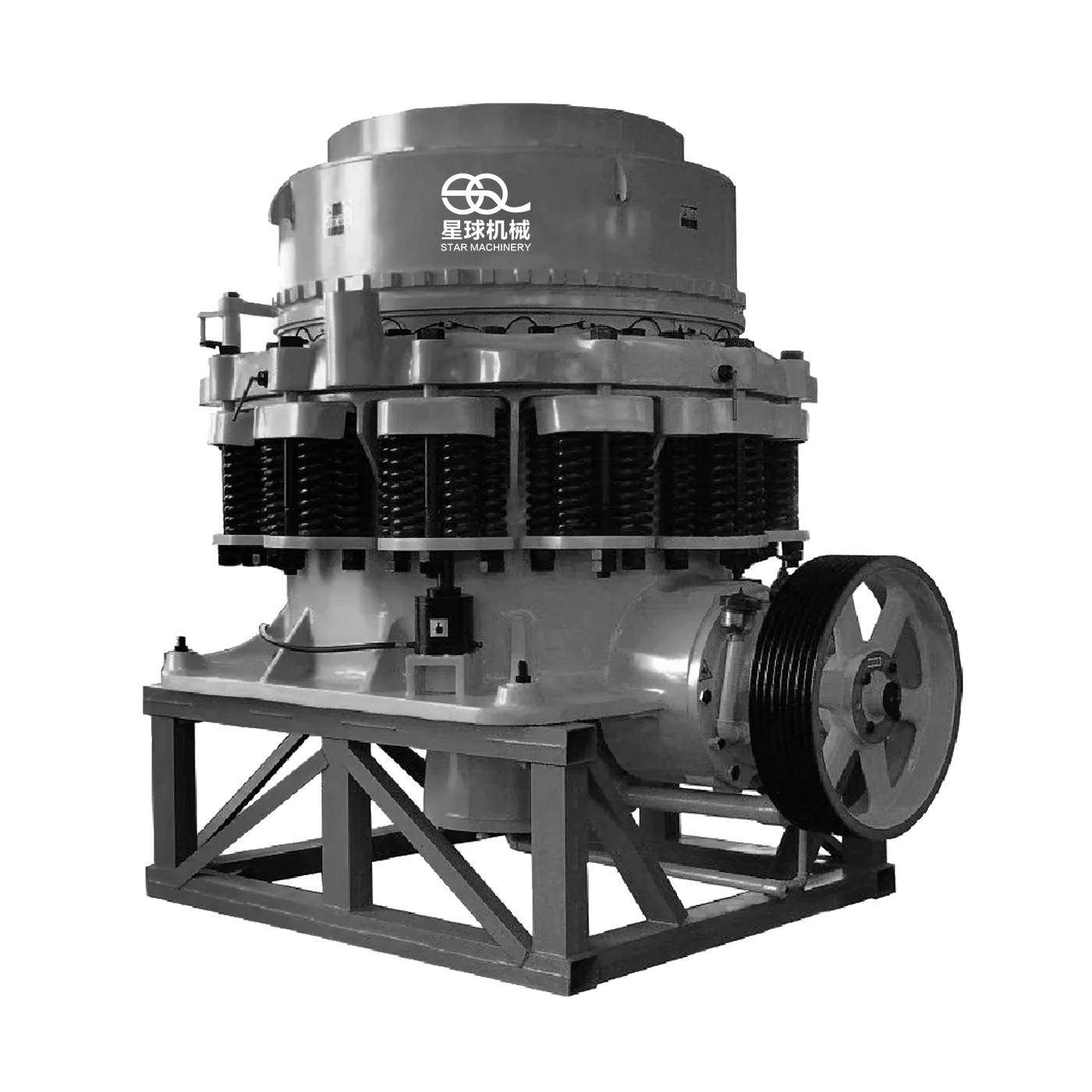
PYF Cone Crusher
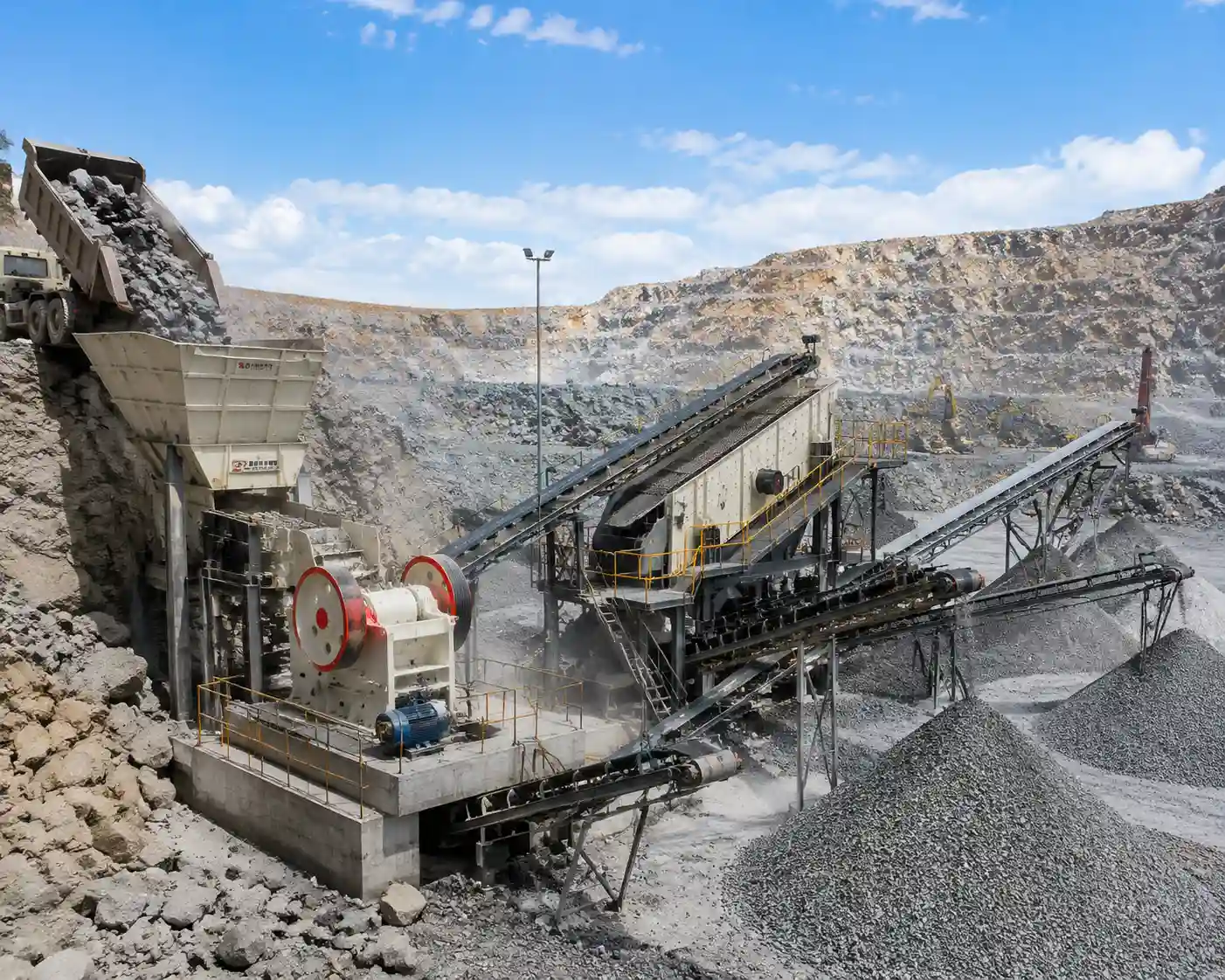
It is usually used in secondary crushing and tertiary crushing. It is suitable for crushing all kinds of ores and rocks of medium and above hardness.
- 01 Production capacity: 45-336T/H
- 02 Applicable materials: granite, pyroxene, basalt, river pebble, limestone, dolomite, metallic ore and non-metallic ore, etc.
- 03 Scope of application: sand and stone field, mine mining, coal mining, concrete mixing station, dry powder mortar, power plant desulphurisation, quartz sand, etc.
-
Product Features:
-
Product Details
-
1.Large crushing force, good particle shape, high efficiency and high processing capacity
The appropriate spindle rotation speed, large eccentric distance, and a reasonable number of swings make the fine-grain content in the crushed product higher, which can significantly improve the processing capacity of the subsequent process and reduce the comprehensive energy consumption. The special-shaped crushing cavity and the formation of a high-density layer in the crushing section can produce a large number of materials with good grain shape.
-
2.Hydraulic cavity cleaning system is adopted in medium and large-sized crushers, which reduces downtime.
The piston of the clear cavity cylinder extends, and the support sleeve is pushed up from the frame support surface. The increase in the discharge gap reduces the pressure of the crusher liner on the material between it, causing the material to fall by itself or be cleared manually.
-
3.Seal with grease
The use of grease sealing is to prevent dust and grinding particles generated by the crushing operation from entering the lubrication system, so as not to damage the high-precision machine parts in the crusher, and to avoid the disadvantages of easy blockage of the water supply and drainage system and the defect of easy mixing of water and oil.
-
4.Adopt a spring insurance system
Heavy-duty spiral compression springs are used. When unbreakable materials (such as iron blocks) pass through the crushing cavity, the compression of the spring increases, and the support sleeve raises the discharge of the screen without damaging the crusher.
Working Principle:
The motor drives the transmission shaft of the equipment to rotate through the pulley and triangular belt. The transmission shaft drives the eccentric sleeve to rotate through the large and small bevel gears. The moving cone rotates through the spindle under the action of the eccentric sleeve, so that the moving cone and the fixed cone are sometimes close and sometimes away from the rolling wall. The material is constantly squeezed in the crushing cavity between the rolling mortar wall and the crusher. , impact and broken, the broken material is discharged from the lower part.
Product Parameters:
| Specifications | Model | Dischargeopeningrange
(mm) |
Max.Feedsize
(mm) |
Capacity
(t/h) |
Weight
(t) |
Power
(kw) |
| PYF900 | PYFB-0910 | 9-22 | 85 | 45-91 | 12.4 | 75 |
| PYFB-0917 | 13-38 | 150 | 59-163 | 12.24 | ||
| PYFB-0918 | 25-38 | 150 | 118-163 | 12.24 | ||
| PYFD-0904 | 3-13 | 35 | 27-90 | 13.2 | ||
| PYFD-0906 | 3-16 | 51 | 27-100 | 13.3 | ||
| PYFD-0907 | 6-19 | 65 | 59-127 | 13.3 | ||
| PYF1300 | PYFB-1313 | 13-31 | 115 | 108-181 | 21.5 | 160 |
| PYFB-1321 | 16-38 | 178 | 132-253 | 21.2 | ||
| PYFB-1324 | 19-51 | 205 | 172-349 | 21.2 | ||
| PYFB-1325 | 25-51 | 220 | 236-358 | 21.1 | ||
| PYFD-1308 | 6-16 | 78 | 82-163 | 20.6 | ||
| PYFD-1310 | 8-25 | 89 | 109-227 | 20.7 | ||
| PYFD-1313 | 16-25 | 113 | 209-236 | 20.8 | ||
| PYF1600 | PYFB-1620 | 16-38 | 178 | 181-327 | 37 | 250 |
| PYFB-1624 | 22-51 | 205 | 258-417 | 36.7 | ||
| PYFB-1626 | 25-64 | 228 | 299-635 | 36.5 | ||
| PYFB-1636 | 38-64 | 313 | 431-630 | 36.3 | ||
| PYFD-1607 | 5-13 | 60 | 90-209 | 36.7 | ||
| PYFD-1608 | 6-19 | 76 | 136-281 | 36.5 | ||
| PYFD-1613 | 10-25 | 113 | 190-336 | 36.5 | ||
| PYFD-1614 | 13-25 | 129 | 253-336 | 36.3 |
Product Instructions for Use:
Check the equipment before power-on. The connection part should be firm and there should be no loose noise. The bearing and moveable joints should be lubricated in place and not stuck. Clean up the debris in the feed port. Do not put super-hard and oversized materials in it. Manually turn down the rotor and turn it on if there is no abnormality.
After turning on the power, idling for 3-5 minutes, see if the operation is normal, there is no strange noise and shaking, and then feed the material evenly. Do not pile up the stuffing machine. When operating, stay away from the equipment, do not touch the moving parts with your hands, and do not send metal blocks and other unbreakable things into it.
If there is any abnormal noise, jamming or overheating during operation, stop immediately to check the problem; the gap between the mixing and discharge materials must be stopped, and the screw should be tightened after adjustment.
Product Maintenance:
After use, clean up the residual materials in the equipment in time, check the lubrication regularly, and make up for the lack of oil; often look at the hammer head and lining plate, and replace it if it is worn badly.
Check the screws every week and tighten them if they are loose; clean up the accumulated materials inside the equipment once a month; check the electrical lines every 3 months to avoid electrical problems.
When replacing the consumable parts, you must stop and cut off the power, and replace the debugging before using it normally. Before changing the lubricating oil, clean the old oil, wash the oil line, and add new oil. If it is not used for a long time, clean it up and do a good job of rust prevention, and put it in a dry and ventilated place.
Application scenarios
PYF composite cone crusher is a special medium and fine crushing equipment for hard rock. It focusses on secondary and tertiary crushing processes. It has high compressive strength, low wear resistance and excellent finished product particle shape. It is specially designed for large mines, high-standard infrastructure, boutique aggregates and metal ore processing scenarios, and is suitable for all-weather continuous heavy-duty production.
(1) The scene of crushing hard rock mine
It is suitable for medium and fine crushing of granite, basalt, river pebble, quartzite and other high-hardness stone materials, and solves the problem of large hard rock crushing wear, low production capacity and poor finished products. It is the main core equipment of large open-air sand and stone mines.
(2) Metal ore beneficiation scene
It is widely used in the second and third sections of iron ore, copper, manganese and other metal ores, to uniformly control the particle size of the feed, improve the grinding efficiency and beneficiation qualification rate, and adapt to the mass production needs of large and medium-sized beneficiation plants.
(3) High-standard engineering aggregate production
The proportion of discharge particle cubes is high, the grading standard, and there are few needles and sheets. The finished product fully meets the high-standard aggregate requirements of high-speed, railway, water conservancy and commercial mixed stations. It is the first choice of fine crushing equipment for large-scale infrastructure projects.
(4) Industrial raw materials and solid waste recycling
It can be used for fine processing of slag, cement clinker and refractory materials. At the same time, it is suitable for high-strength construction waste solid waste regeneration treatment, and the output of recycled aggregates has unified specifications and high utilisation rate.
(5) Overseas large-scale whole-line supporting projects
Adapted to overseas large-scale quarries, mine general contractors, agent complete set of production line projects, with our factory’s long-term supply of high manganese steel wear-resistant parts, supporting non-standard customisation, stable and durable equipment, low operation and maintenance cost, suitable for overseas long-term large-scale production.
FAQ:
Q:Where is the PYF cone crusher located in the whole crushing production line? What is the main function?
A:PYF cone crusher is the core equipment of fine crushing in the second and third levels of the production line. It is arranged after the jaw-type coarse crusher and before the vibrating screen/sand-making machine. Adopting the principle of lamination crushing, it is specially designed to carry out precise medium-fine crushing and decompression shaping of large pieces of coarse crushed stone, which effectively reduces the needle sheet content, uniformly discharges the particle size, and improves the grade and production capacity of the finished aggregates of the whole production line.
Q: What working conditions must be PYF cone breaker instead of counterattack breaker?
A:PYF cone breaker is preferred for processing high-hardness, high-wearing stone, long-term continuous mass production and high-standard aggregate scenarios. Compared with counter-counterbreak, conical breaker wear-resistant parts have lower loss, greater production capacity and less failure rate, which is suitable for large-scale production of hard rock; counter-breaker is only suitable for medium and soft materials, and hard rock wears out extremely quickly and costs higher.
Q:What are the core advantages of choosing PYF composite cone crusher?
A:PYF cone crusher adopts optimised composite crushing structure and laminated crushing technology, which has four core advantages: large production capacity, good particle shape, low wear consumption and stable operation. The discharge is uniform and regular, and the finished product can be directly used in high-speed, water conservancy and other high-standard projects; it has strong overload protection ability, which can prevent iron blocks and miscellaneous materials from entering and causing damage to equipment, and is suitable for 24-hour uninterrupted heavy-load production.
Q:What is the material of PYF conical wear-resistant parts? How durable is it?
A:Our company’s original crushing wall, mortar wall, lining plate and other wear-resistant parts are made of Mn13Cr2 and Mn18Cr2 high-alloy high-manganese steel materials. After intermediate frequency smelting, precision casting and professional heat treatment, the hardness and toughness are balanced, impact resistance, strong wear resistance, and the service life of hard rock conditions is 30% higher than that of ordinary accessories. Up.
Q:What is the difference between your cone breaker and ordinary manufacturers?
A:Most of the peers are assembly and sub-production. Our factory produces independent cast steel. The core wear-resistant parts, frames and spindles are all self-made. The processing accuracy is higher, the structural stress is smaller, the fuselage is not deformed, the wear-resistant life is longer, the whole machine is more stable, and it is suitable for overseas high-strength and high-load mining conditions.
Q:What equipment can be used with PYF cone breaker to form a complete production line?
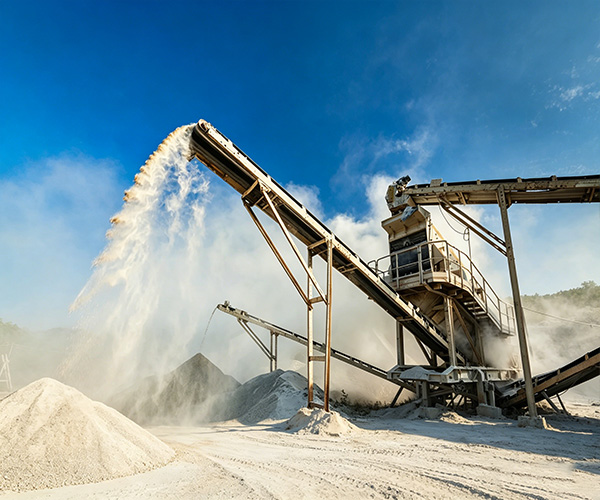
A:Standard hard rock production line matching: jaw crusher + PYF cone crusher + vibrating screen + belt conveyor, which can be equipped with sand-making machine and sand washing machine on demand, and suitable for fixed and mobile large-scale sand and stone aggregate production lines.
Products
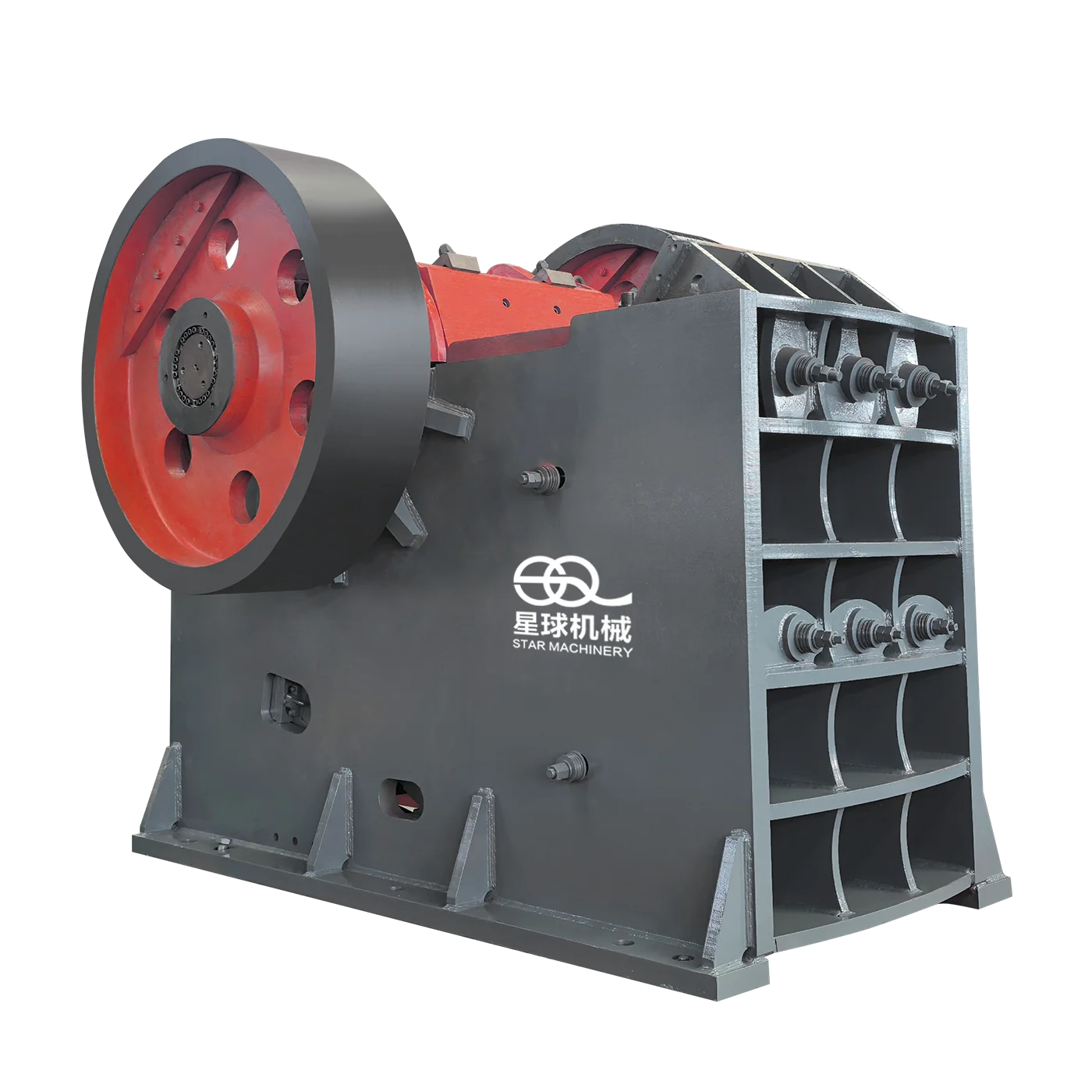
PE/PEX Jaw Crusher
It is a kind of crushing equipment with simple structure and stable performance. With its efficient crushing ability, it has become one of the core equipment for material crushing in mines and various industrial fields.
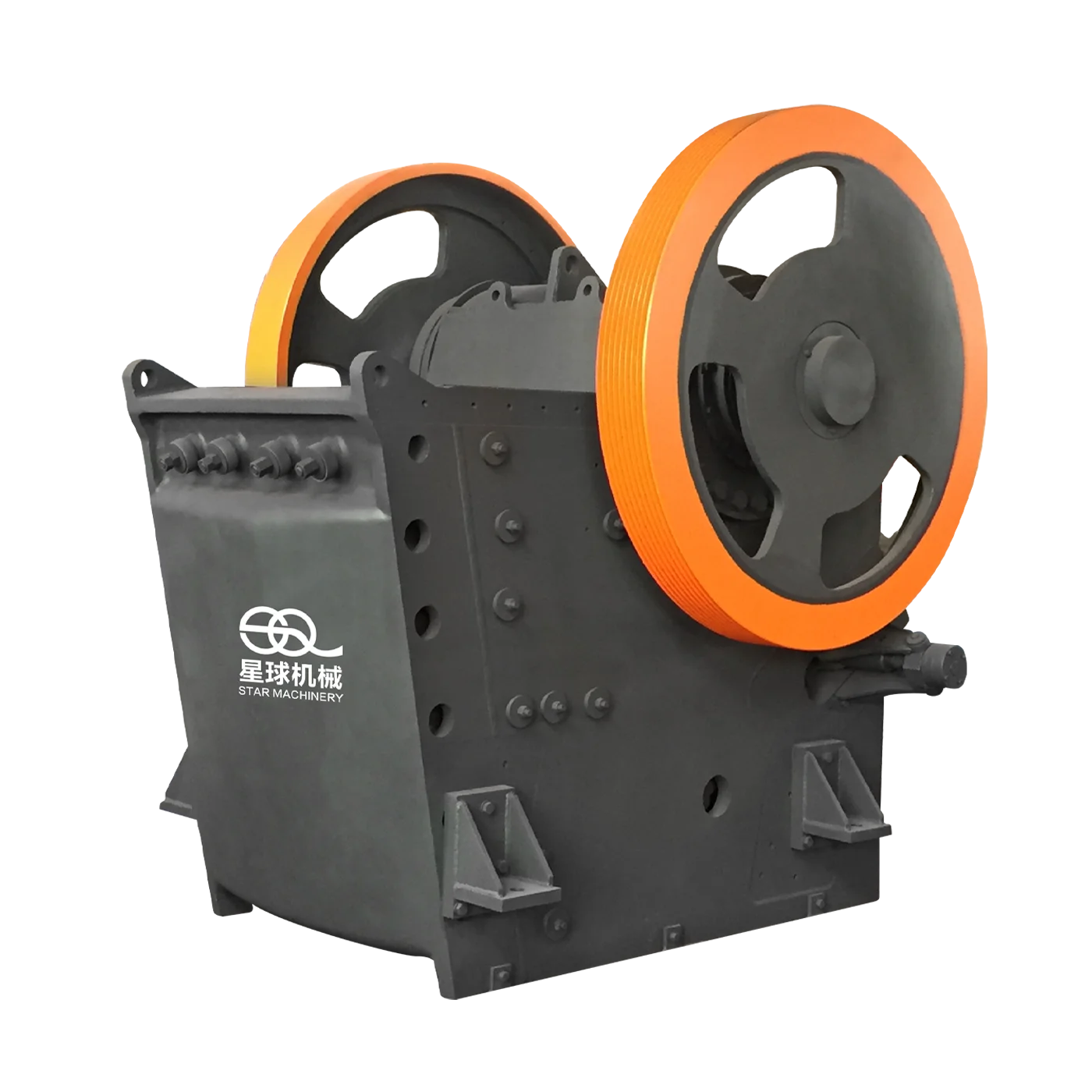
JC Series Jaw Crusher
The JC jaw crusher is designed using modern CAD technology, and all models are analysed by finite element technology to ensure that the internal stress level is within the appropriate range, which ultimately makes the JC crusher have the characteristics of high structural strength and light equipment weight.
It strengthens its own strength and reduces the self-weight of the equipment. It has the advantages of high yield, low cost, high structural strength and light equipment weight.
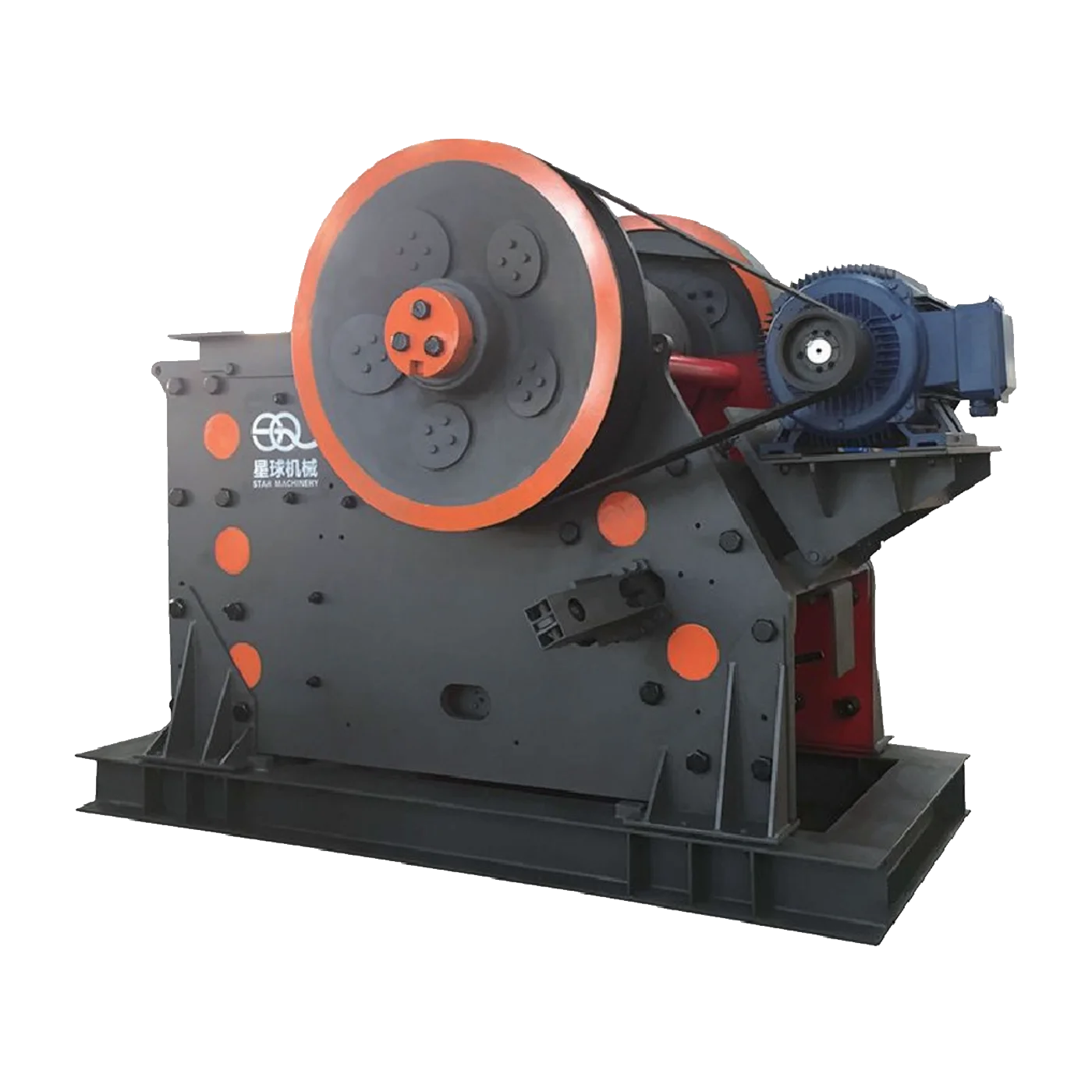
EC Series Jaw Crusher
Based on the development and design of various hard rock conditions, it adopts an innovative modular and non-welded frame structure, which has the advantages of economical and simple installation.
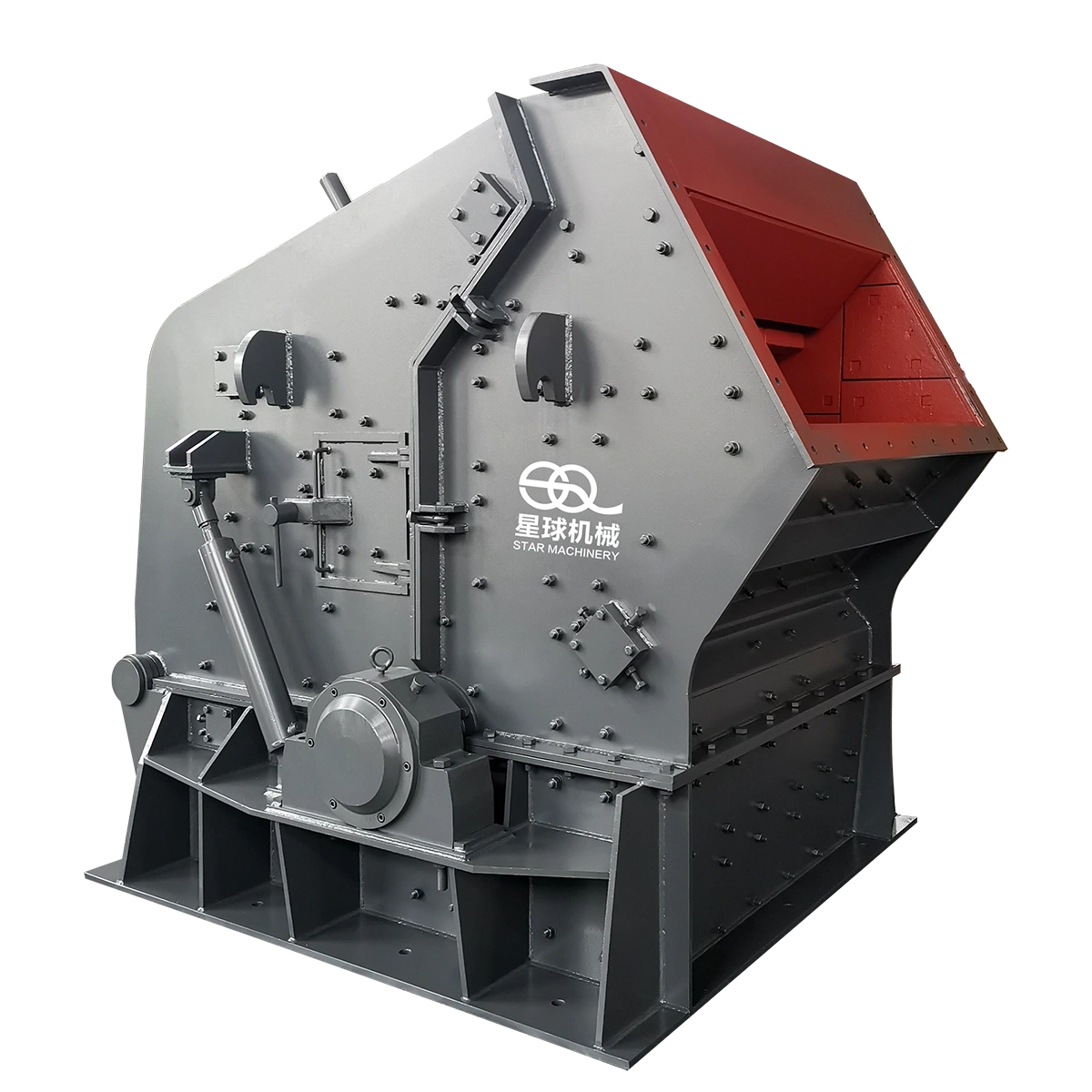
PF Impact Crusher
It is used for coarse crushing and medium crushing. It can process pressure-resistant ≤360 megapascal ore rocks. The processing volume is large, the discharge is fine, and the finished product is cubic, which is suitable for high-quality stone production in highways, water conservancy and other industries.
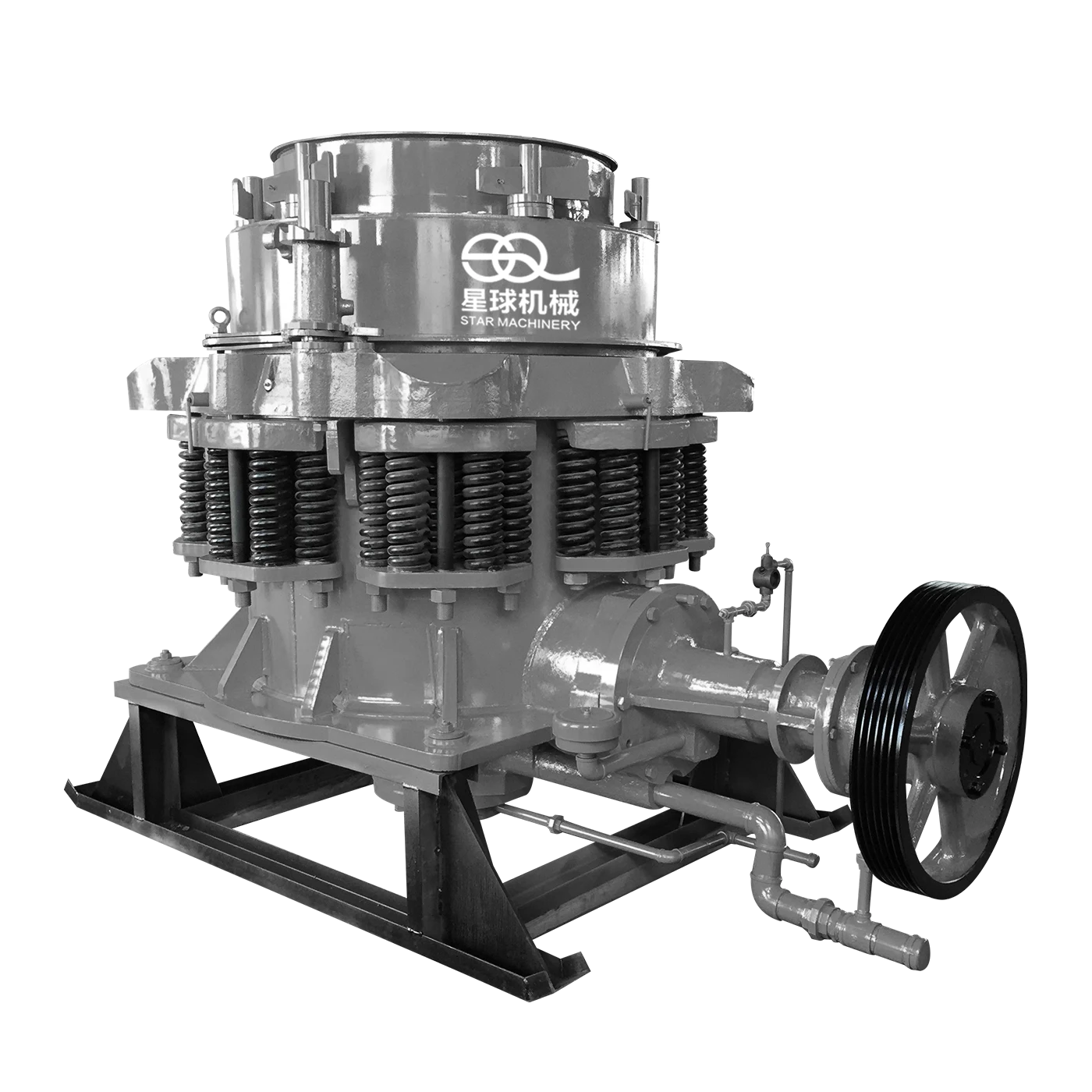
PY Cone Crusher
It has the advantages of high production efficiency, low energy consumption, uniform particle size of finished products, extended service life and so on.
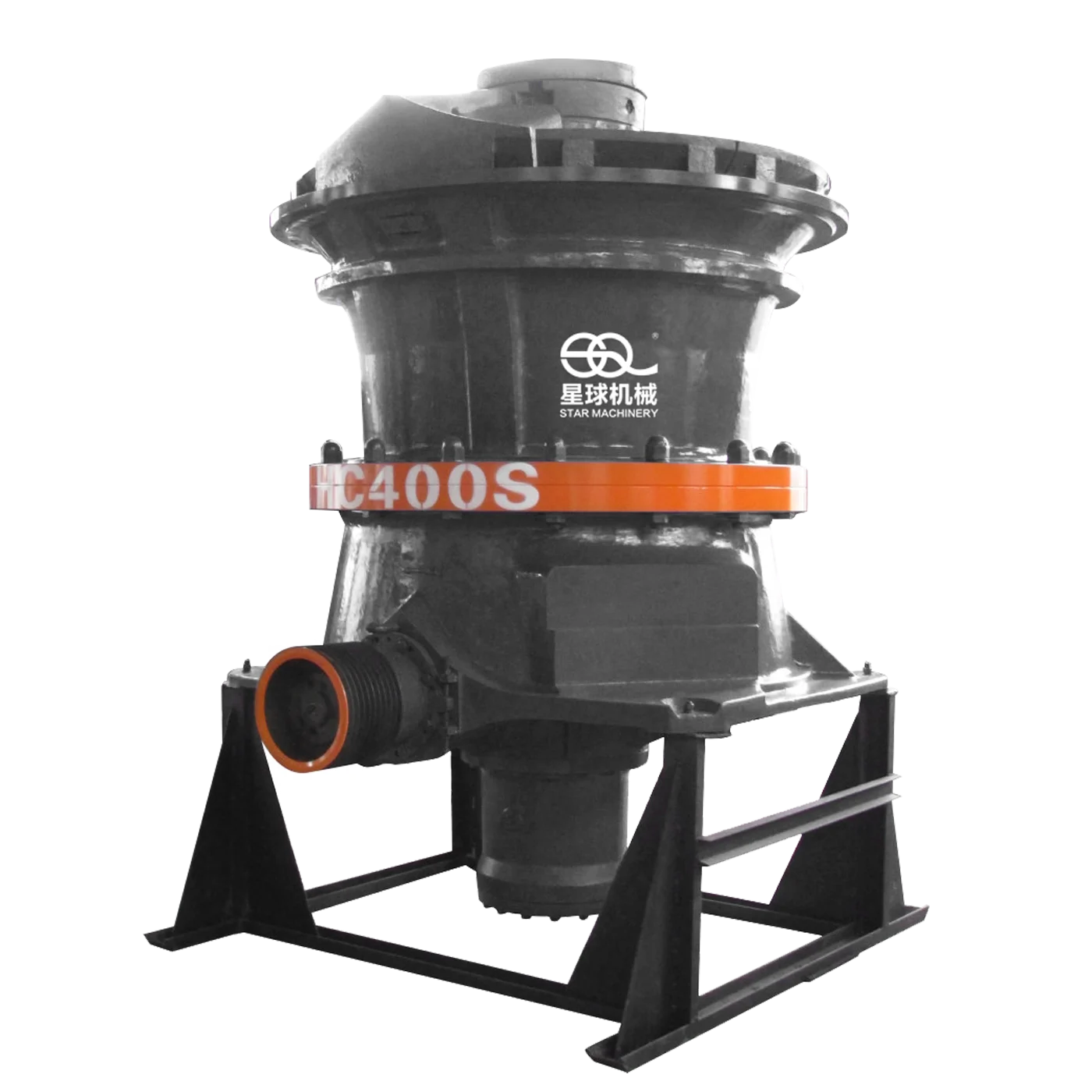
HC Cone Crusher
The new structural design increases its production capacity by 15% compared with equipment of the same size. Under the same production capacity, the energy consumption is lower, and the operation is quiet and the life of the lining is longer, helping customers to produce efficiently.
Recent news

How to Choose a Mining Crusher for Your Operation
Sep 18, 2026
What Is the Difference Between a Jaw Crusher and a Hammer Crusher?
Sep 11, 2026
What Is Crushing Machinery? A Practical B2B Guide
Sep 4, 2026
See Latest Service