- Home
- Products
- Crushing And Screening Equipment
- Crusher
- JC Series Jaw Crusher
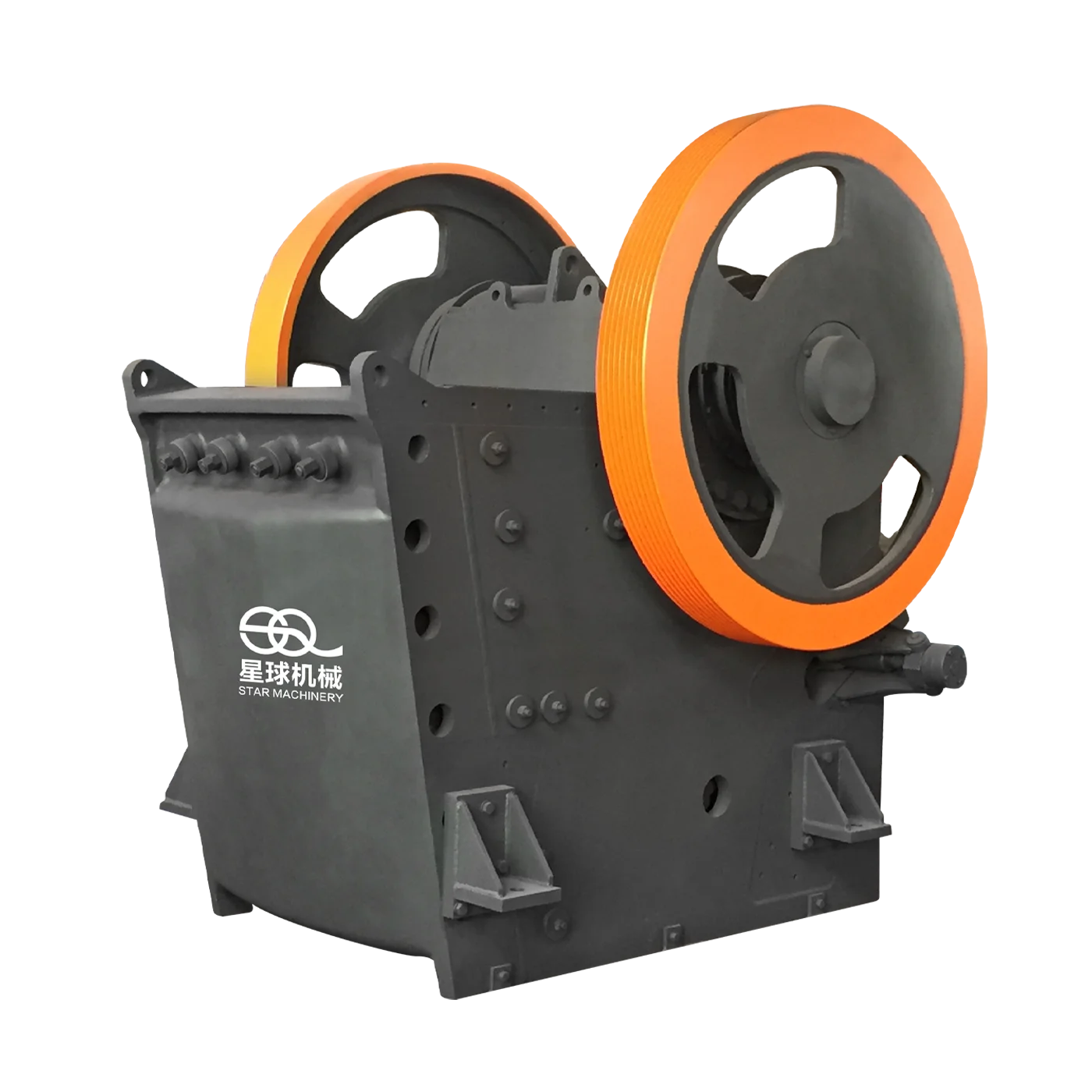
JC Series Jaw Crusher
The JC jaw crusher is designed using modern CAD technology, and all models are analysed by finite element technology to ensure that the internal stress level is within the appropriate range, which ultimately makes the JC crusher have the characteristics of high structural strength and light equipment weight.
It strengthens its own strength and reduces the self-weight of the equipment. It has the advantages of high yield, low cost, high structural strength and light equipment weight.
- 01 Production capacity: 160-840T/H
- 02 Applicable materials: granite, basalt, limestone, river pebbles, iron ore, gold ore, copper ore, etc.
- 03 Scope of application: metallurgy, mining, cement, chemical industry and other industrial sectors, highways, water conservancy engineering, construction engineering and other fields
-
Product Features:
-
Product Details
-
1.Simple and robust design
Relying on many years of experience in the research and development of crushing equipment, combined with computer simulation and CAD optimisation design, the whole machine structure is simple and reasonable, and the framework is integrated. The structure has no unnecessary complex components, is stable and impact-resistant, and adapts to the high-intensity operation of the mine. The whole machine is stronger and more durable, and it is not easy to deform in long-term operation.
-
2.Elaborate detailed design
Use finite element stress analysis to optimise each structural detail, and strengthen the processing of key force parts; the structure of sealing, dustproof, shock absorption and consumable parts is refined and improved to effectively reduce the probability of wear and failure, operate more worry-free, and extend the service life of the whole machine.
-
3.High-quality processing and manufacturing
The core parts adopt precision CNC machining and professional heat treatment technology, with standardised production process, and the accessories have high accuracy and good interchangeability. Strict quality control from the factory, the assembly accuracy of the whole machine is high, the operation vibration is small, the stability is strong, and the quality is far higher than that of ordinary traditional crushers.
-
4.High strength and light weight
Through CAD design and finite element technology simulation analysis, the mechanical structure of the fuselage is optimised and upgraded. While greatly improving the structural strength of the whole machine and the impact resistance, the self-weight is reasonably streamlined, which is convenient for transportation and installation and on-site relocation, and also reduces the load-bearing input cost of the equipment foundation.
-
5.High production capacity and large crushing ratio
Optimise the deep cavity crushing cavity type and movement trajectory design, make the material crushing more complete, the unloading smooth and no blockage, and the single machine processing capacity is strong. The crushing ratio range is large, which can crush large pieces of materials to the ideal particle size at one time, simplify the crushing process, and greatly improve production efficiency.
-
6.Large feed particle size is allowed
The large-calibre feed port with the deep-deep crushing cavity structure design can directly accept large-sized raw stone and ore feed without pre-crushing in advance, adapt to the operation conditions of large material blocks, reduce the input of front-end equipment, and adapt to all kinds of large-scale mine quarry production lines.
-
7.High reliability and utilisation rate
The structural strength of the whole machine is sufficient, the core transmission parts are well selected, the technology is mature, and the operation failure rate is low. It can be stable at full load for a long time, with few downtimes and maintenance, and a high attendance rate for comprehensive equipment operations, which is suitable for year-round uninterrupted production.
-
8.The range of the discharge port can be adjusted with a large range and is easy to adjust.
The machine has a large adjustment span of the discharge port, and the finished product particle size is rich, which can meet the production needs of different specifications of stone. It adopts an optimised adjustment structure, which is simple to operate and does not require complicated disassembly and assembly. The adjustment is accurate and time-saving, and the production particle size can be easily switched.
Working Principle:
The processed materials in the jaw crusher are crushed between two hard surfaces. The movement of the moveable surface is the load of the jaw crusher. The effect of crushing is realised by the movement of the moving jaw with the fixed jaw and side lining plate in the broken cavity. The material block (i.e. rock or ore) is clamped, squeezed and broken between the moving jaw and the fixed jaw.
The quality and quantity of the processed materials depend on the interaction between the jaw crusher and the materials. The geometric shape of the broken cavity.The dynamic characteristics of the crusher and the nature of the treated material are the most important influencing factors.
The power from the driving motor is transmitted from the triangular transmission belt to one of the flywheels installed at the end of the eccentric shaft. The rotation of the eccentric axis and the movement of the elbow plate cause the moving jaw to produce an elliptical trajectory. When the distance between the two jaw plates narrows, the material entering the crushing cavity is squeezed and broken. When the moving jaw moves in the direction of leaving the fixed jaw, the material falls and discharges the crushing cavity.
Product Parameters:
| JC1208 | JC1312 | ||
| Feed opening(mm) | min | 1.20×0.80
32×48 |
1.30×1.15
46×52 |
| L=maxlength | min | 2.87
113 |
3.70
146 |
| W=maximum width | min | 2.36
93 |
2.50
99 |
| H=maximum altitude | min | 2.94
116 |
3.85
152 |
| D | min | 1.86
74 |
2.17
86 |
| F | min | 1.93
76 |
2.68
105 |
| T | min | 1.70
67 |
2.68
106 |
| volume shipment | m³ ft³ | 25
880 |
45
1600 |
| CSS | mm im | 75-250
3-10 |
125-250
5-10 |
| Weitht(t) | kg lbs | 24400
53800 |
41500
91400 |
| Power(KW) | kw hp | 132
200 |
160
250 |
| Speed | rpm | 240 | 225 |
Product Instructions for Use:
- Check that the CSS of the jaw crusher (tight edge discharge ore) is not less than the recommended value.
- Start the crusher and make it run under no-load for 2 hours, and check it as follows at the same time:
- Has the safety cover been installed in place?
- Is the rotary direction of the flywheel of the crusher correct?
- Whether there is abnormal noise.
- Whether the bearing is overheated.
- Correct the errors found during this period. After making sure that everything is normal, carefully send the materials into the crusher, and send the materials.When entering, it should be evenly distributed along the width of the feed port of the crusher. The feeding block should not be greater than the feeding port shown in the figure.
Product Maintenance:
1.In order to ensure the best performance of the jaw crusher, the feeding must be uniform. It is not allowed to enter large pieces of materials that exceed the size of the feeding port marked.
2.In the first month or 160 operating hours, check every day whether there is old grease sealed from the bearing maze.The circle is extruded. If not, grease the bearing will be filled with grease. Check the bearing temperature regularly. Check the tightening of all threaded joints.
3.Overloading the crusher should be avoided. The causes of overload are:
– Abnormal wear of the jaw plate (concave or “sled shape”).
– The excessive wear of the jaw plate or the bow shape of the jaw plate.
– The set value of the discharge port is too small.
– There are too many fine materials in the feed.
Application scenario:
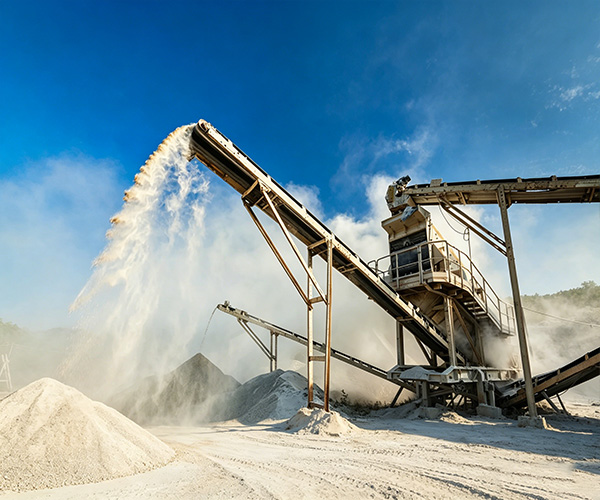
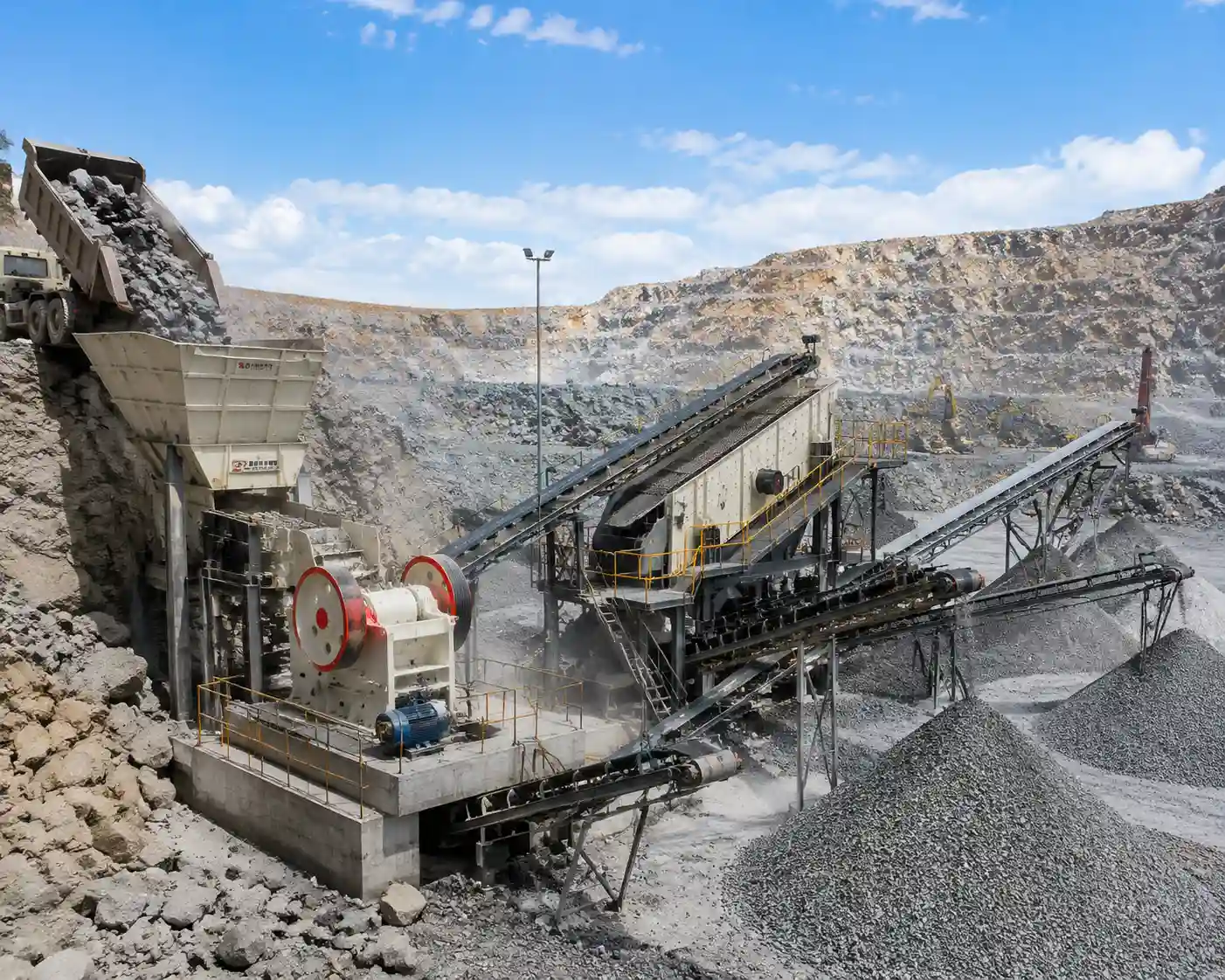
JC series jaw crusher is a heavy-load, large-capacity and high-stability coarse crushing equipment, which is widely used in mines, sand and stone, infrastructure, solid waste recycling and other scenarios. It is the core first crushing equipment of large and medium-sized crushing production lines.
- Mine ore crushing
It is suitable for coarse crushing of granite, basalt, river pebbles, iron ore, gold ore, copper ore and other hard ores. The fuselage has high strength and strong impact resistance, and can be continuously overloaded for 24 hours, adapting to the high-capacity production needs of large-scale open-air mines and beneficiation plants.
- Production of sand and stone aggregates
It is widely used in commercial sand and stone yards and aggregate processing factories, supporting cone breakers and vibrating screens to form a complete production line. The finished product has a uniform particle shape and a stable production capacity, which is suitable for high-speed, water conservancy, municipal, concrete mixing station and other high-standard engineering aggregate production.
- Construction waste solid waste regeneration
It can crush waste concrete, bricks, steel slag and crushed stone waste, and process solid waste into recycled aggregates. It is suitable for site recycling, resource reuse, environmental protection and adapts to flexible construction scenarios.
- Crushing of building materials and industrial raw materials
It is used in cement, chemical industry, refractory materials and slag processing industries. Limestone, gypsum and ore block materials are pretreated. The equipment is stable and the failure rate is low, and it is suitable for long-term industrial continuous production.
- Overseas large-scale projects and whole-line support
Adapt to overseas large-scale quarry, engineering general contractor and agent complete set of projects. With Mn13Cr2 and Mn18Cr2 high wear-resistant accessories, the wear-resistant service life is longer. Conventional accessories are always in stock and can be supplied for a long time. It supports non-standard customisation to meet the needs of overseas whole-line procurement and long-term operation and maintenance.
FAQ:
Q: Which materials are suitable for JC series jaw crushers?
A: JC series jaw crushers are mainly used in the coarse crushing stage of various high-hardness and medium-hardness ores, especially suitable for the initial crushing of large materials. Common materials include granite, basalt, river pebbles, iron ore and quartzite, etc. In the production of mines and sand and stone aggregates, this equipment can stably process high-strength materials and provide suitable feed particle size for subsequent medium crushing and fine crushing processes.
Q: What kind of production line configuration is suitable for JC series jaw crusher?
A: JC series jaw crusher is usually used as the coarse crushing equipment of the whole crushing and screening production line, which is located in the first part of the production process. In practical applications, it is usually combined with cone crushers or counter-impact crushers, sand-making machines and vibrating screens to form a complete sand and stone aggregate production system. According to different output needs, small and medium-sized or large-scale mine production lines can be formed to achieve continuous and stable production.
Q: How to choose the model of JC series jaw crusher?
A: The choice of JC series jaw crusher model mainly depends on the material hardness, feed size and yield demand. Small and medium-sized sand and stone production lines can choose medium-capacity models, while large-scale mining projects are recommended to choose high-yield specifications. For granite, basalt and other high-hardness materials, higher-specification equipment should be given priority to ensure stable crushing capacity and operation efficiency.
Q: How to transport the JC series jaw crusher?
A: Before the equipment leaves the factory, standard reinforced packaging is adopted, container or bulk transportation is selected according to different sizes, and anti-rust and anti-collision treatment is provided. We can assist in sea transportation and customs clearance to ensure that the equipment is safely delivered to the project site.
Q: Do you support agency cooperation and long-term supply?
A: We support global agency, distribution and long-term cooperation models, and can provide factory prices, technical support and a stable supply system. Provide product information and market support for partners to facilitate local marketing.
Q: Do you provide long-term supply of consumable parts?
A: We supply JC series jaw crusher consumable parts for a long time, including jaw plate, side guard plate, elbow plate, etc., which are made of high-manganese steel or alloy materials, with good wear resistance, and support long-term spare parts supply.
Products
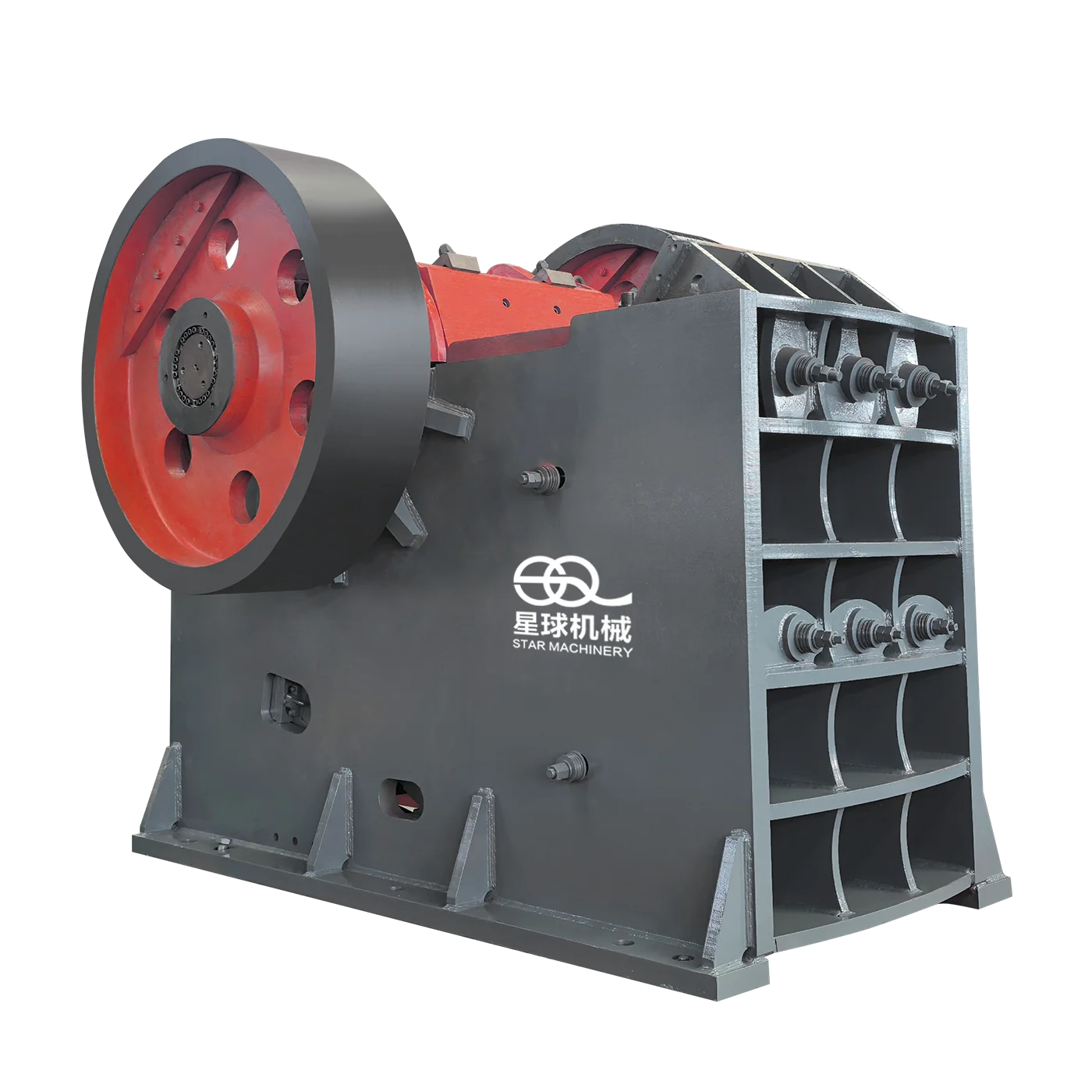
PE/PEX Jaw Crusher
It is a kind of crushing equipment with simple structure and stable performance. With its efficient crushing ability, it has become one of the core equipment for material crushing in mines and various industrial fields.
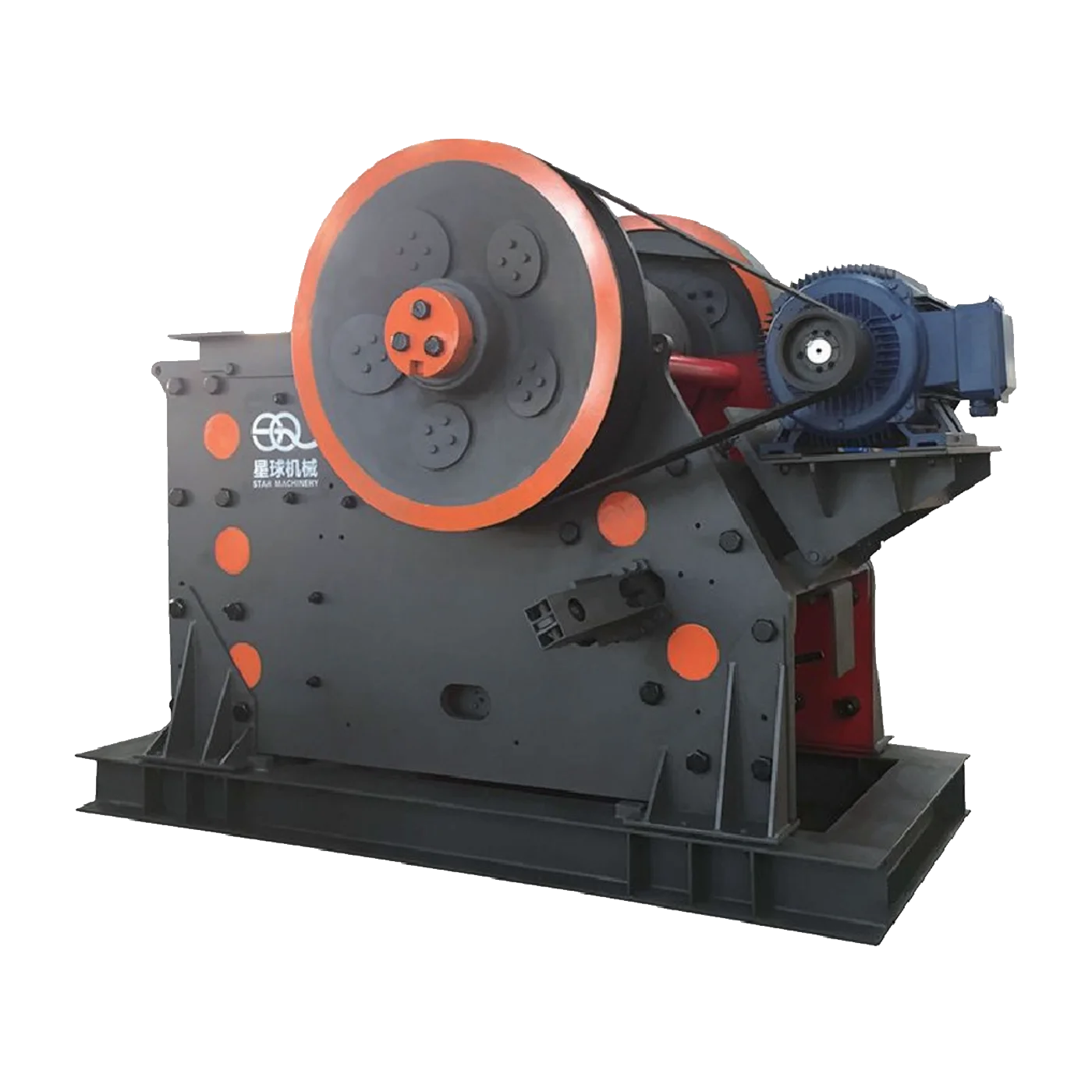
EC Series Jaw Crusher
Based on the development and design of various hard rock conditions, it adopts an innovative modular and non-welded frame structure, which has the advantages of economical and simple installation.
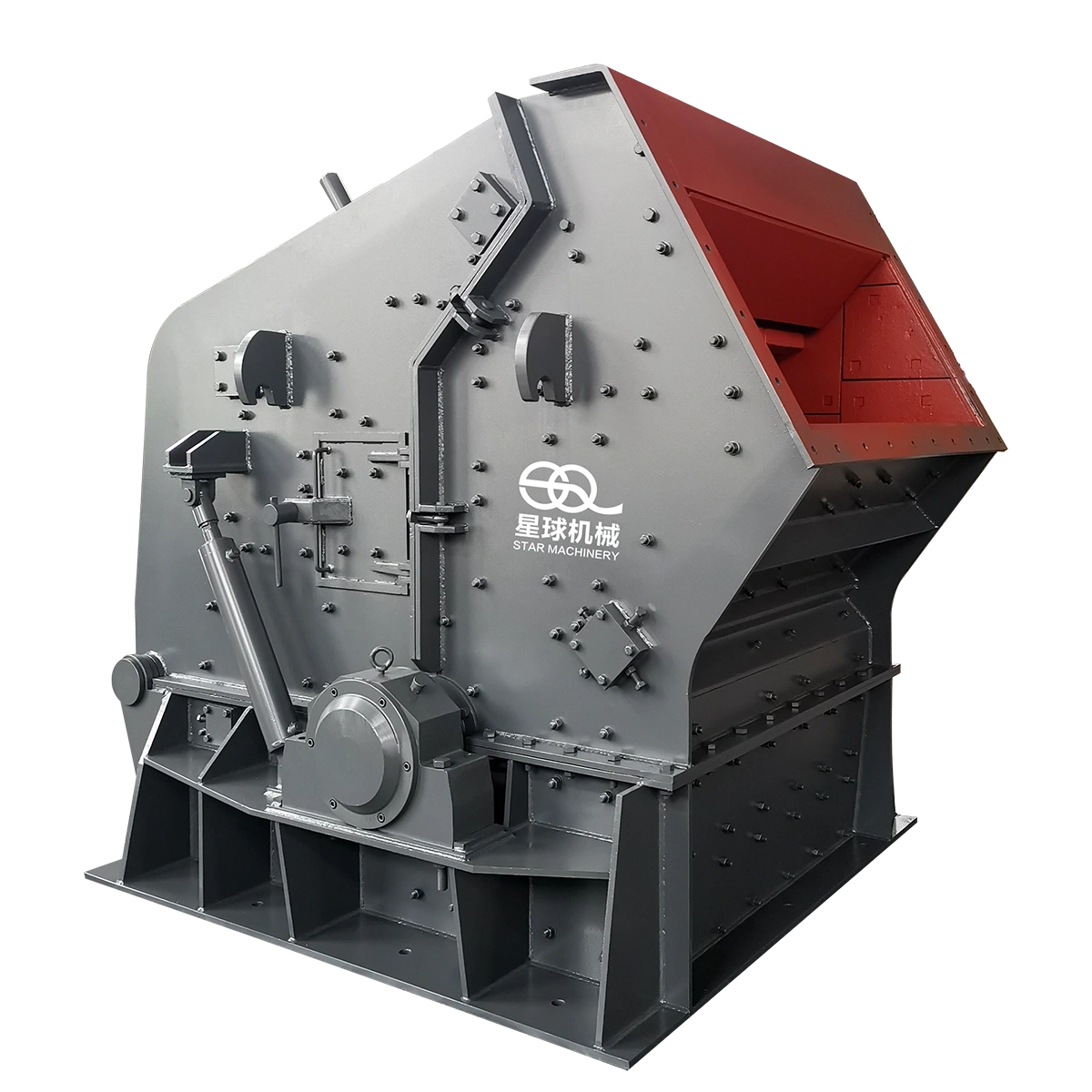
PF Impact Crusher
It is used for coarse crushing and medium crushing. It can process pressure-resistant ≤360 megapascal ore rocks. The processing volume is large, the discharge is fine, and the finished product is cubic, which is suitable for high-quality stone production in highways, water conservancy and other industries.
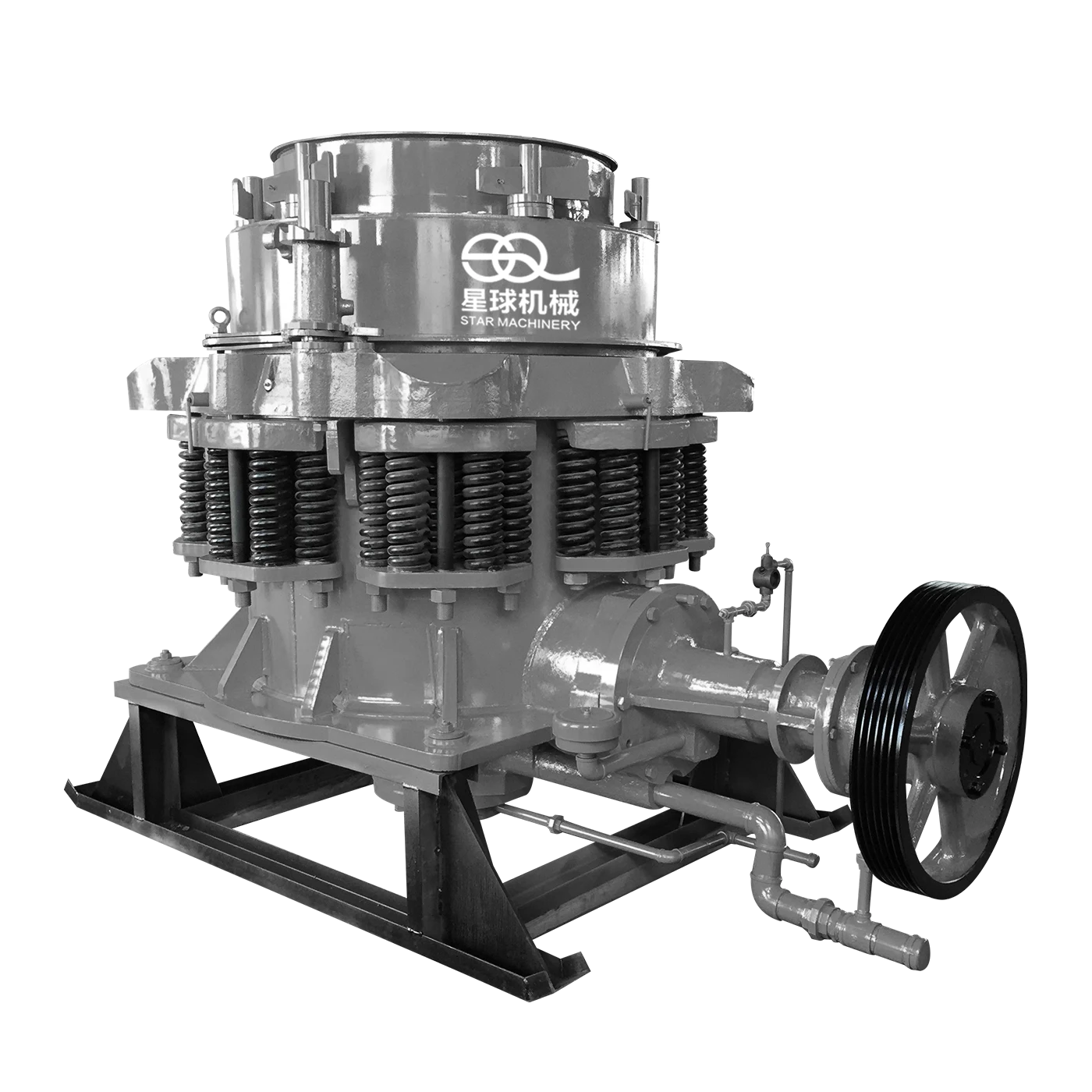
PY Cone Crusher
It has the advantages of high production efficiency, low energy consumption, uniform particle size of finished products, extended service life and so on.
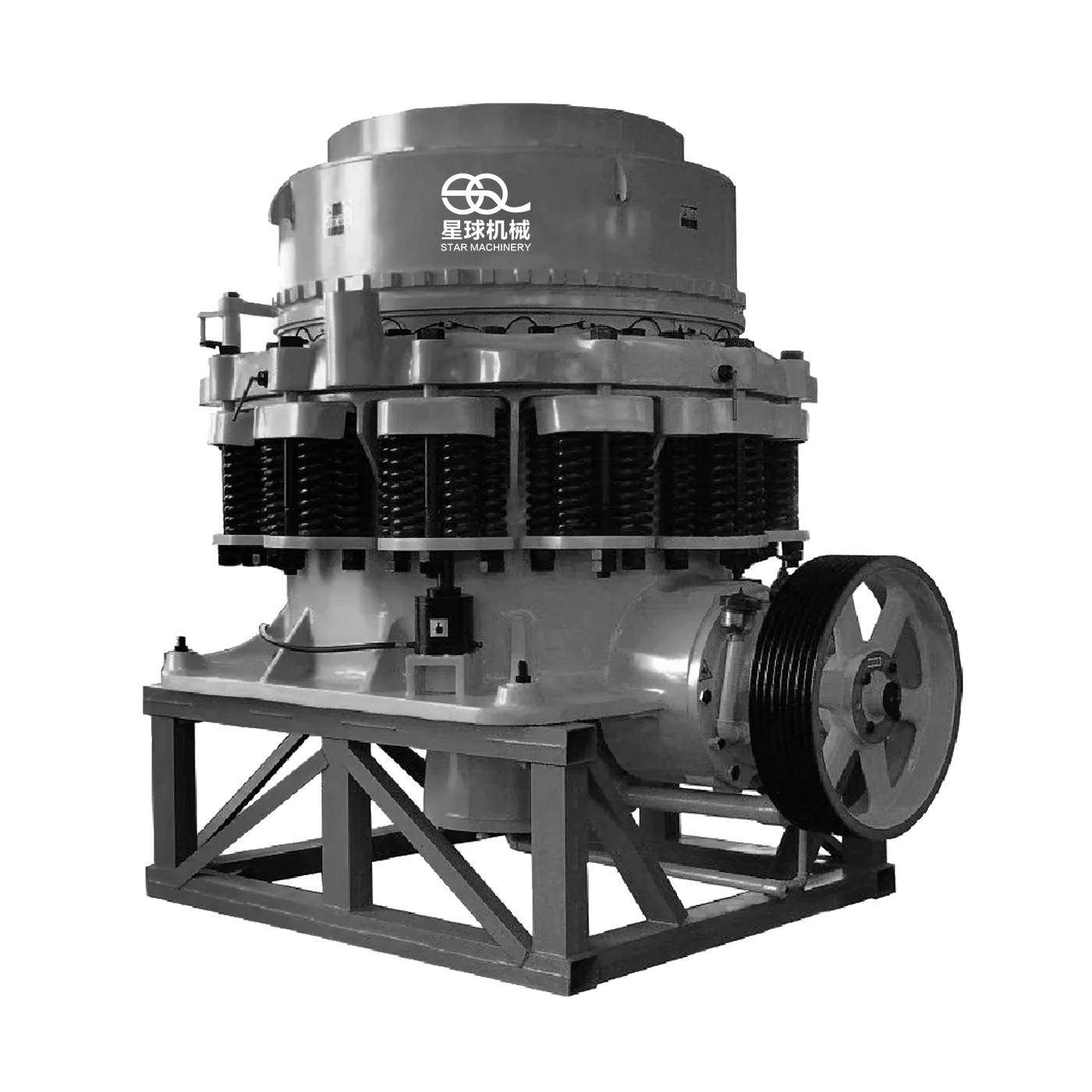
PYF Cone Crusher
It is usually used in secondary crushing and tertiary crushing. It is suitable for crushing all kinds of ores and rocks of medium and above hardness.
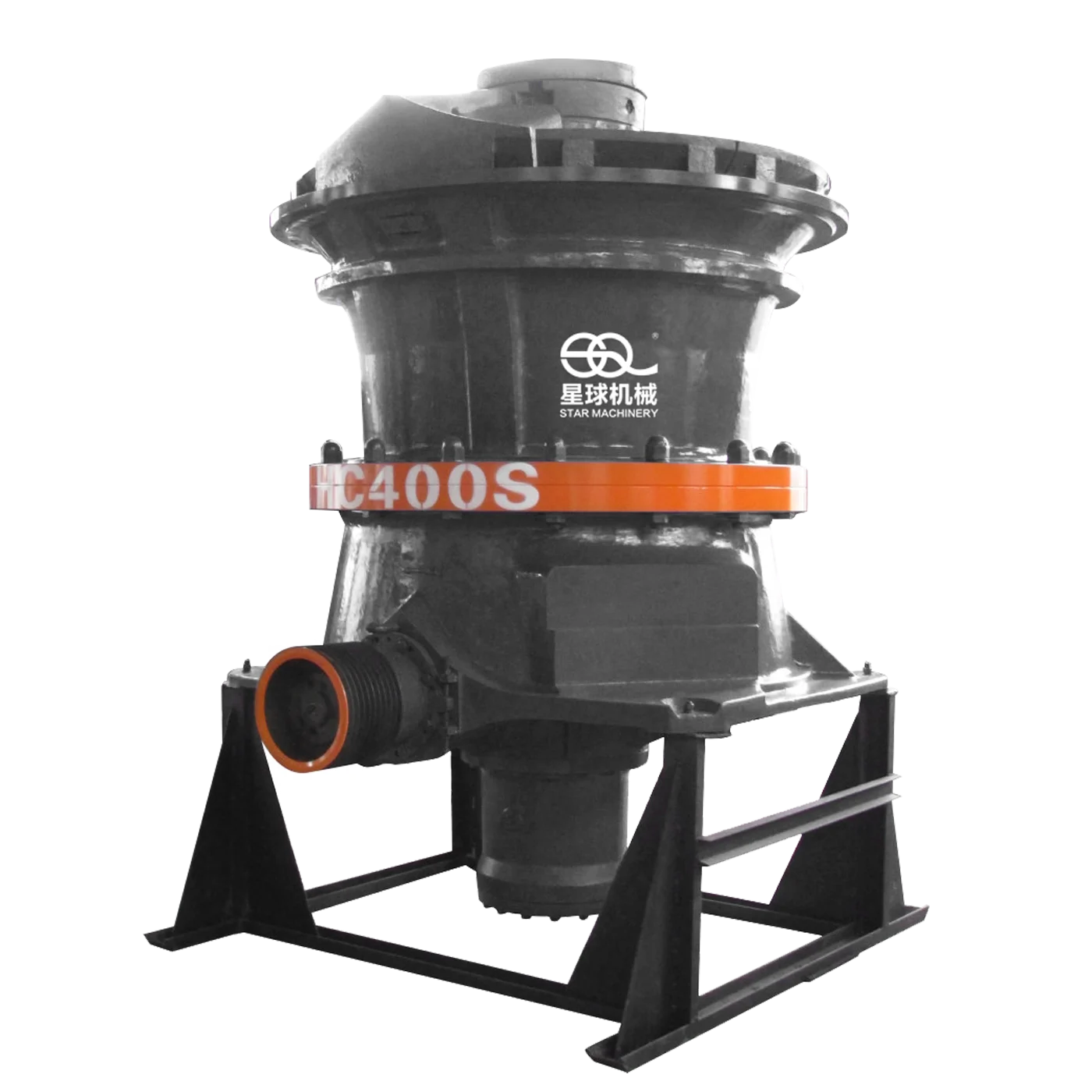
HC Cone Crusher
The new structural design increases its production capacity by 15% compared with equipment of the same size. Under the same production capacity, the energy consumption is lower, and the operation is quiet and the life of the lining is longer, helping customers to produce efficiently.
Recent news

How to Choose a Mining Crusher for Your Operation
Sep 18, 2026
What Is the Difference Between a Jaw Crusher and a Hammer Crusher?
Sep 11, 2026
What Is Crushing Machinery? A Practical B2B Guide
Sep 4, 2026
See Latest Service