Nov 5, 2026
)
 admin
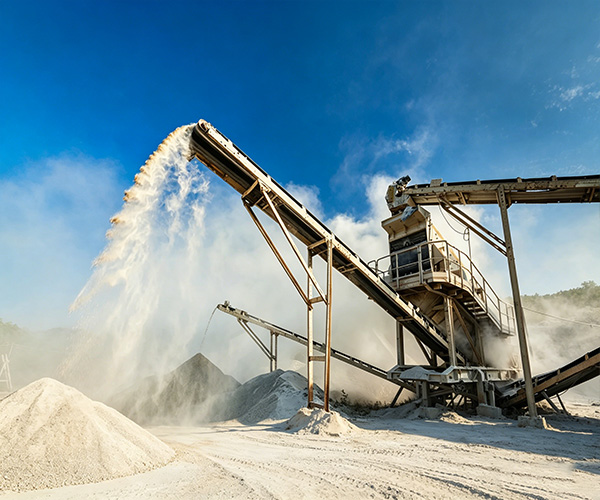
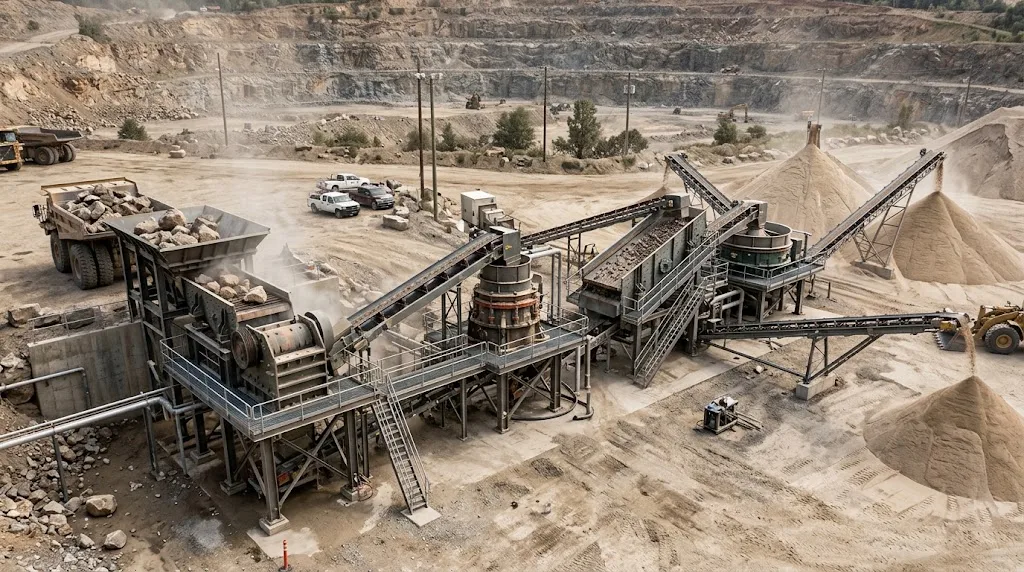
A crusher screen is a very big machine. It works right next to crushing equipment. Its main job is to sort broken rock, ore, old concrete, and sand. It groups them by how big they are. The crusher breaks huge rocks into smaller pieces. Then, the screen steps in. It sorts those crushed pieces so people can actually use them. In a complete plant, these machines team up. They make sure the final rocks are the perfect size. They take out pieces that are too big. They also get the rocks ready for the next step in the plant.
People often use this name to talk about one screen set up in a stone crusher plant. Sometimes, they mean a complete crushing and screening system. Some common examples are circular vibrating screens and mobile screening units. The machine pushes the rocks over a flat surface. Tiny particles fall through special holes in that surface. Big pieces stay on top.
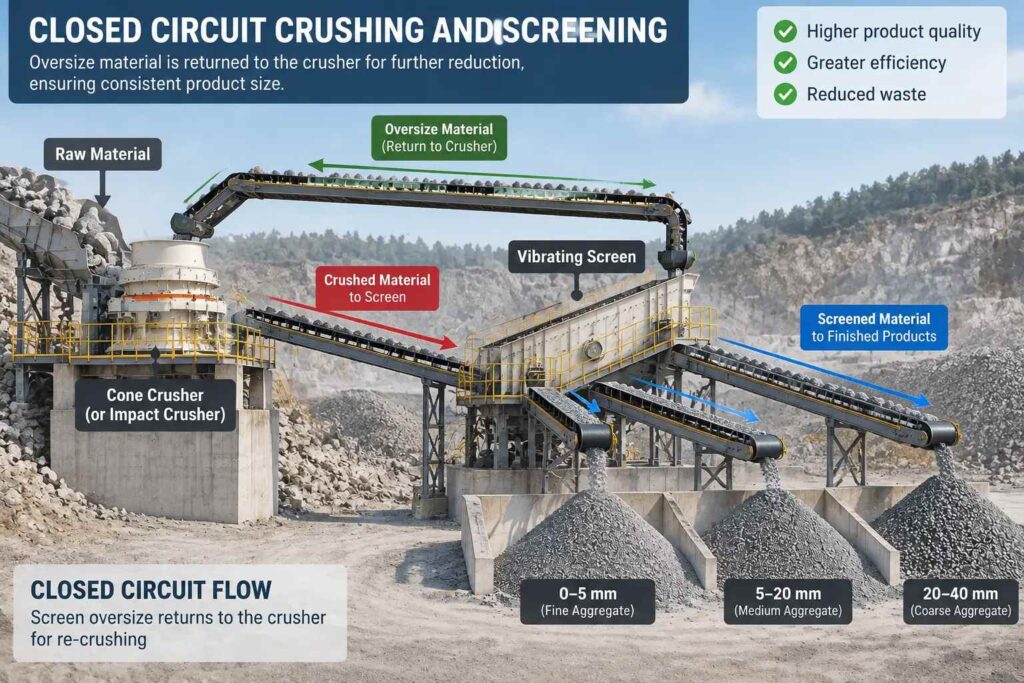
Screening is a very important step. It checks the material leaving each crushing stage. It makes sure the finished aggregate stays right in its target size range. If the rocks are the wrong size, the screen stops them.
The screen deck has holes of a defined size. Smaller particles drop right through these holes. But the larger particles travel across the top of the deck. Sometimes, they go back to a crusher to get broken again. Some screens have many decks stacked up. These multi-deck screens can make several size fractions at the very same time.
This sorting job helps make concrete aggregate, road base, asphalt stone, and manufactured sand. It is also used in mineral processing. The product specification tells the workers exactly what screen opening and deck arrangement they need to use.
Sometimes a plant uses a closed circuit. In this loop, the screen finds the rocks that are the right size. It sends that correctly sized material to finished-product conveyors. But what about the rocks that are too big? The screen catches the oversize material. Then, it routes it back to a crusher. This return flow keeps going in a circle. It does not stop until all particles meet the required size.
A vibrating screen shakes on purpose. It uses controlled motion to spread out and stratify material on an inclined deck. Fine particles pass through the small openings. At the same time, larger particles travel toward the discharge end to fall off.
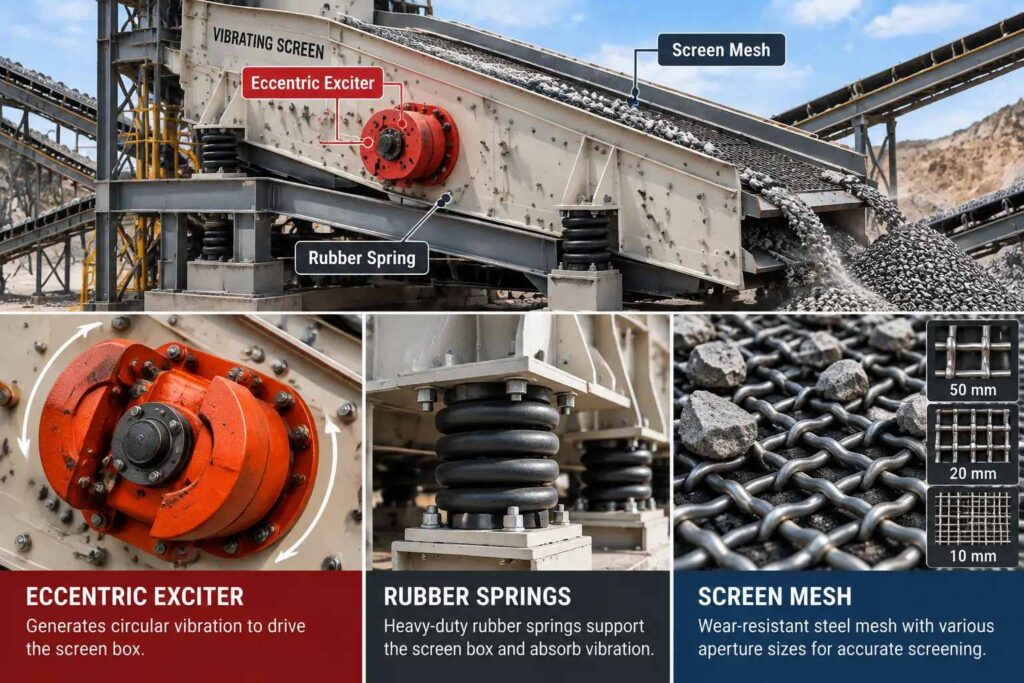
A typical circular vibrating screen is made of a few big parts. It has a screen box and a screen mesh. It also uses an exciter, an eccentric block, or an eccentric shaft. Rubber springs, a big motor, and a drive connection hold it all together. The rubber springs are very important. They support the heavy box. They also isolate a lot of the wild vibration from the metal support structure.
Star Machinery’s YK/YZ circular vibrating screens use a special eccentric excitation system. The motor drives the exciter. As the rotating eccentric part spins, it creates centrifugal force. This strong force makes the whole screen box move in a continuous circular or elliptical path.
First, material enters at the feed end. It spreads all across the inclined deck. The machine shakes very fast. This vibration throws particles upward into the air. When they land, they separate into layers. Fine particles fall through the openings. The coarse particles move along the top toward the discharge end.
Many things change how well this works. You must think about feed rate and moisture. The deck inclination, the vibration speed, and the screen opening affect the separation, too. Excessive feed will ruin the flow. Wet material can completely cover the mesh and plug the holes. The circular vibrating screen page talks a lot about these issues for quarry and aggregate applications.
Also, breaking rocks makes a lot of dust. You can read about particulate emissions from crushed stone processing in the U.S. EPA AP-42 mineral products guidance. Every town has different rules for cleaning up dust. So, the screen enclosure, the water system, and the plant layout should follow local rules.
These two machines perform totally different jobs. But they work on the same process line.
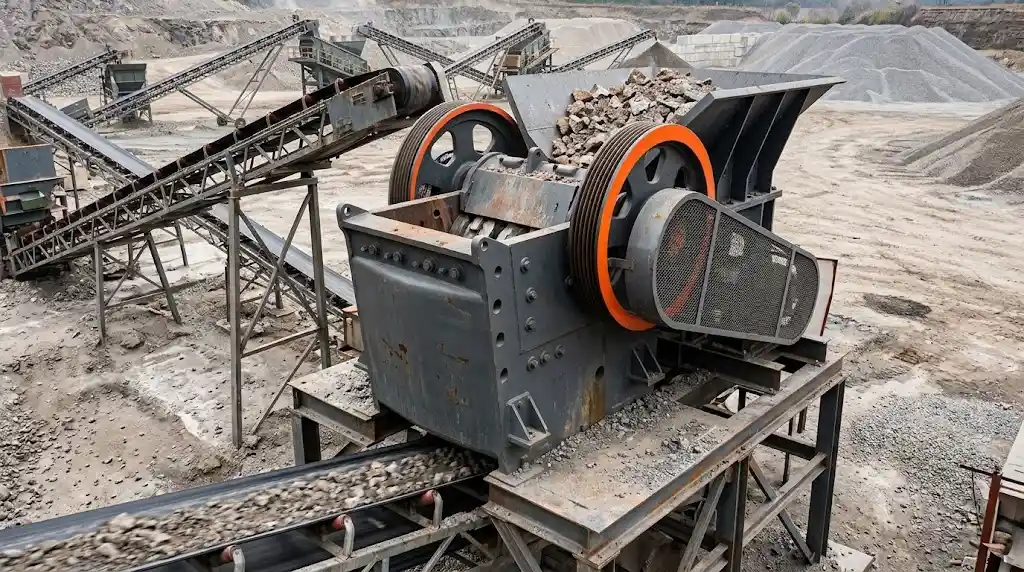
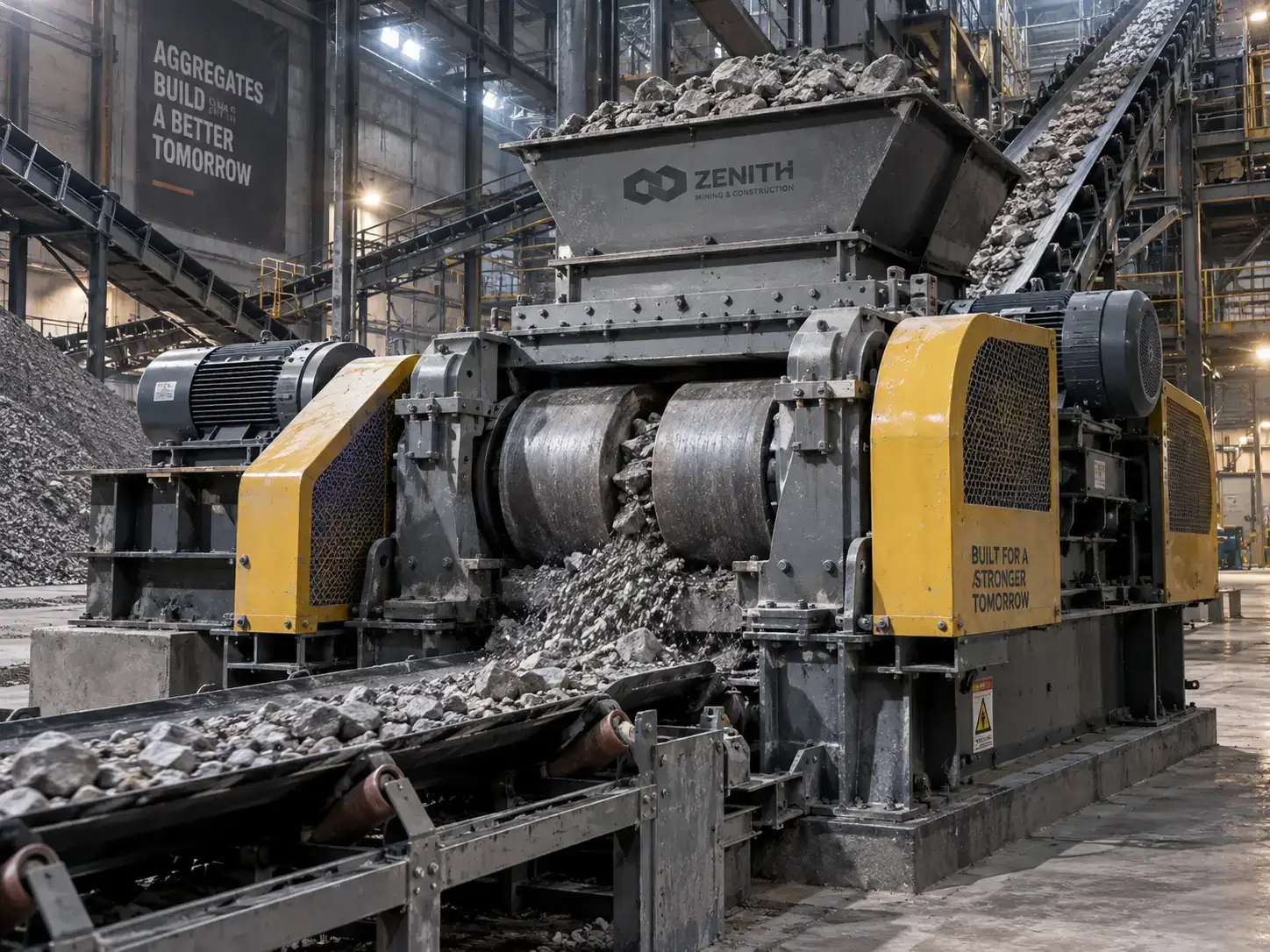
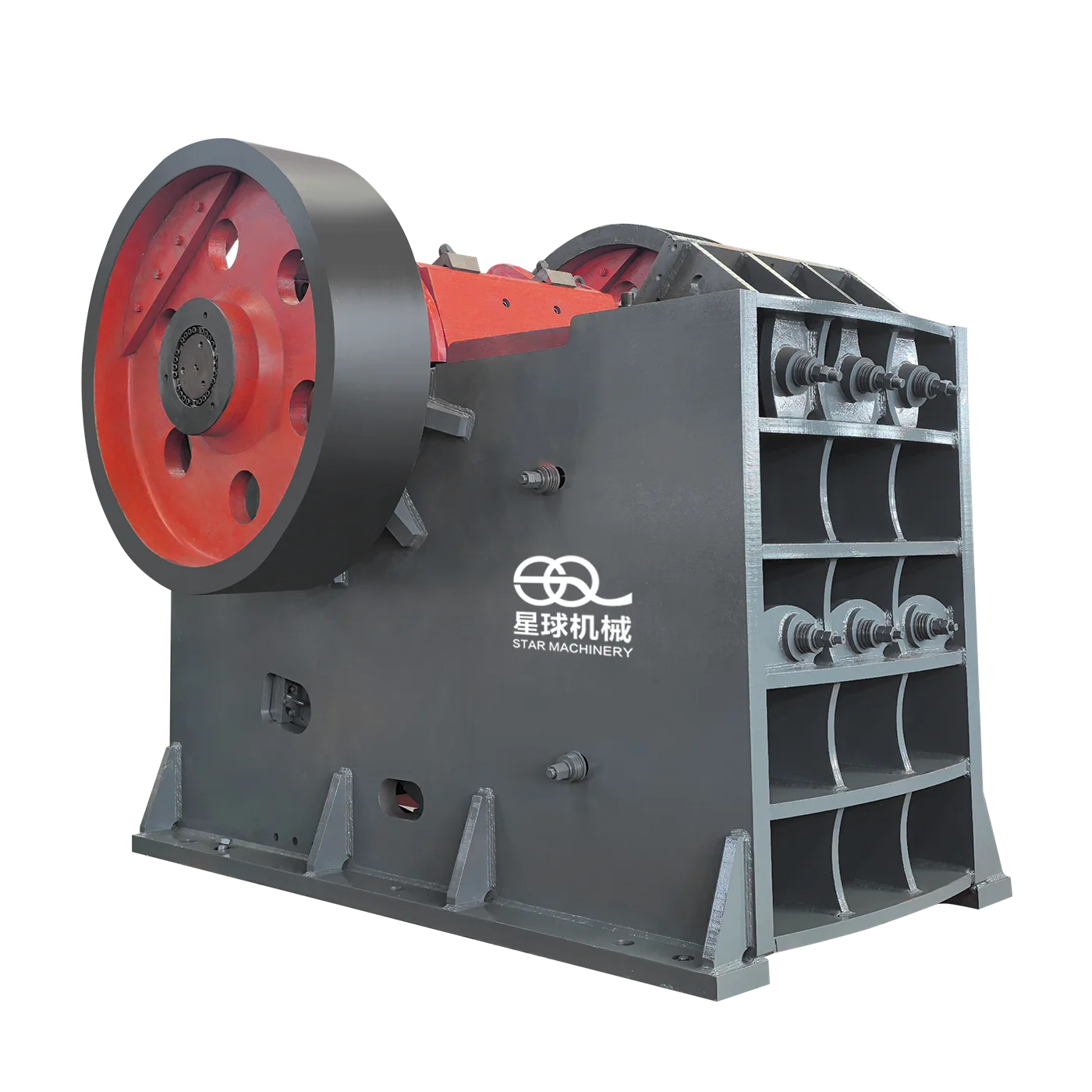
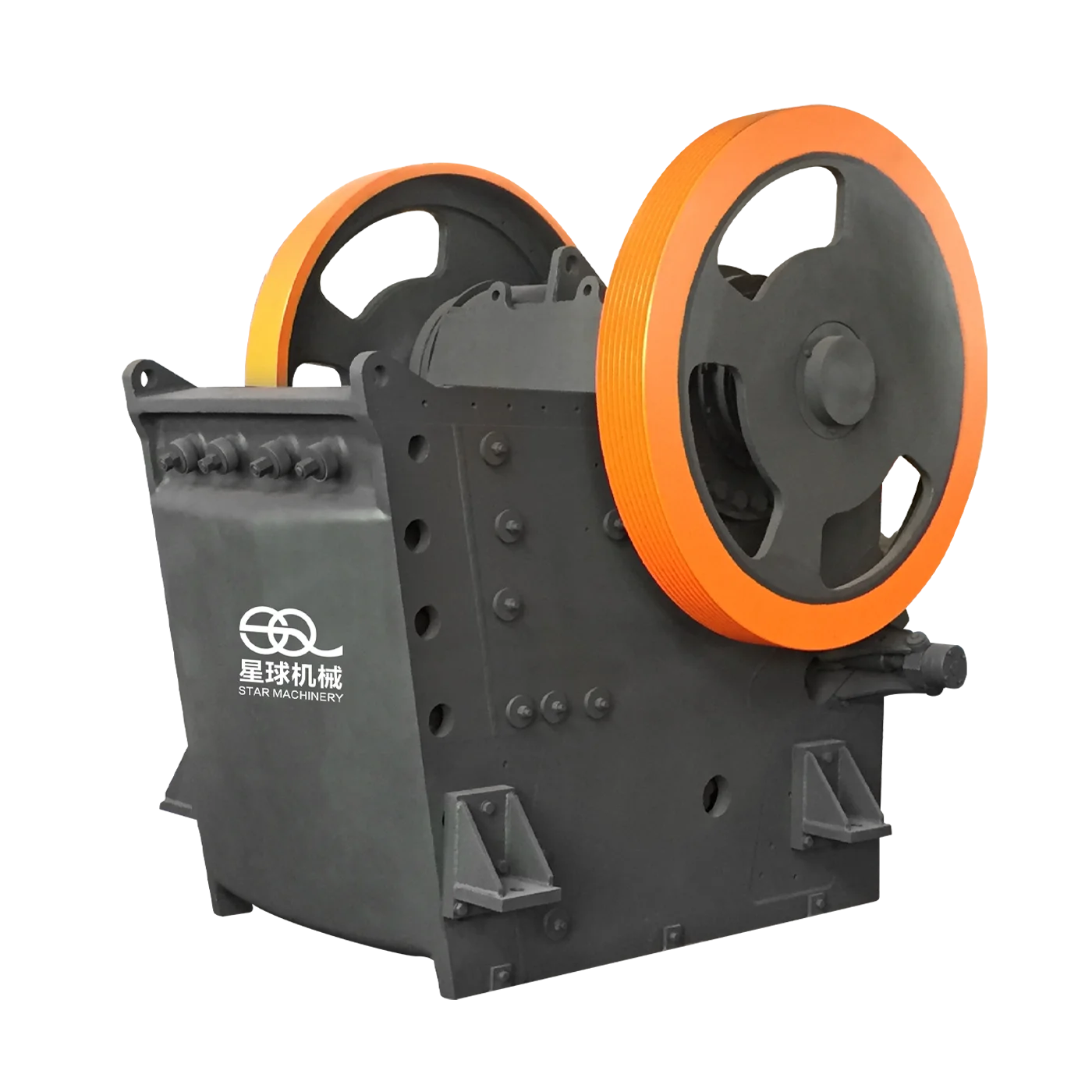
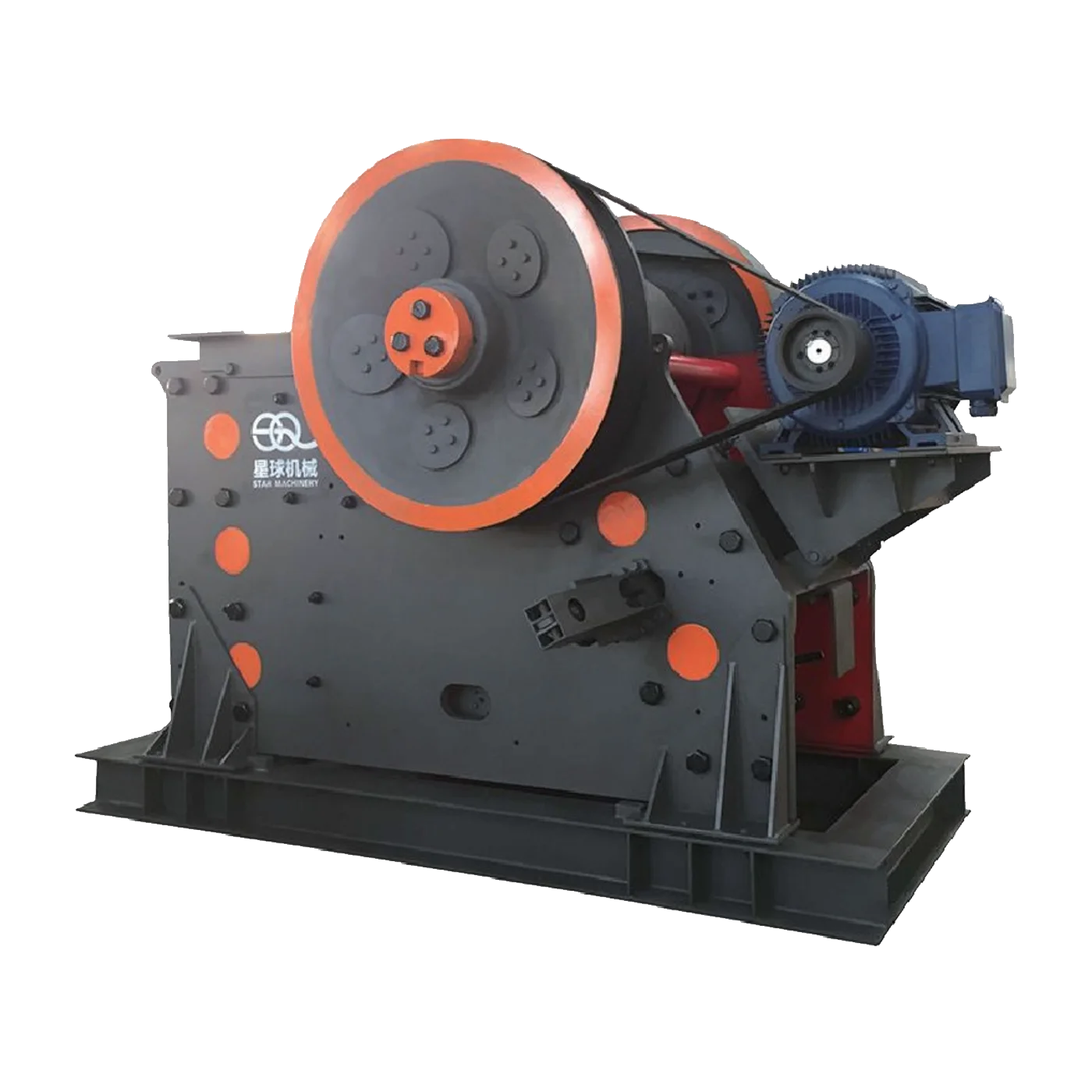
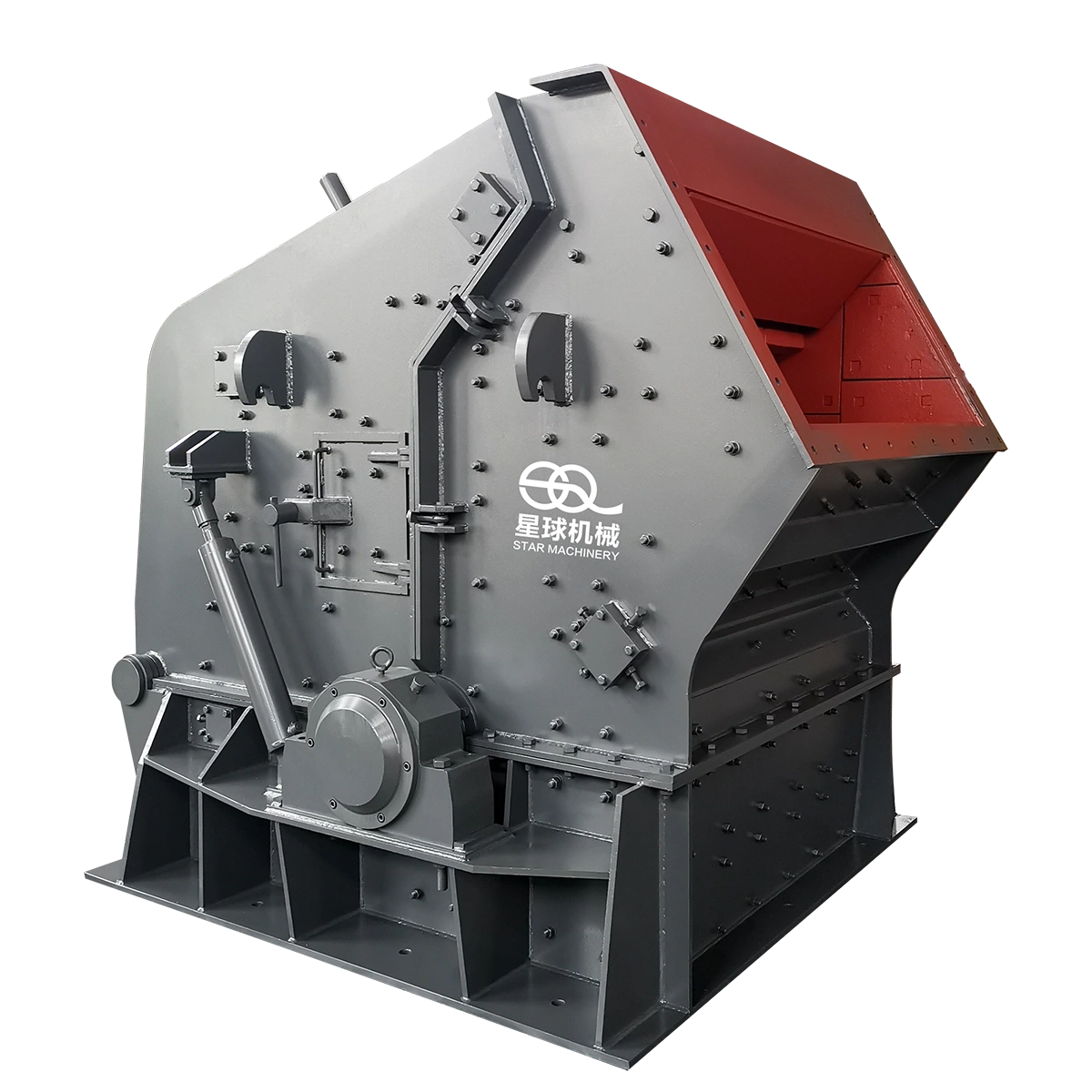
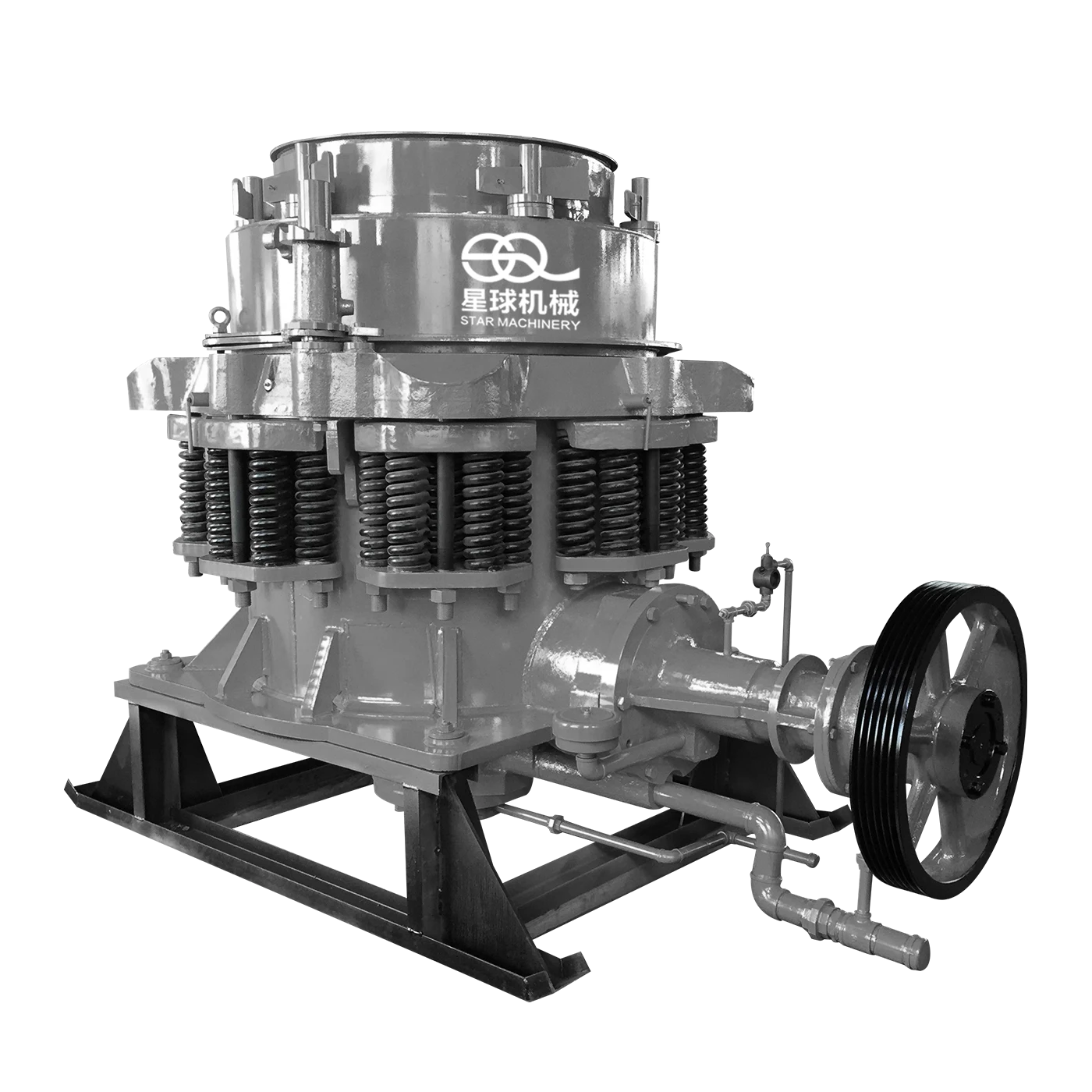
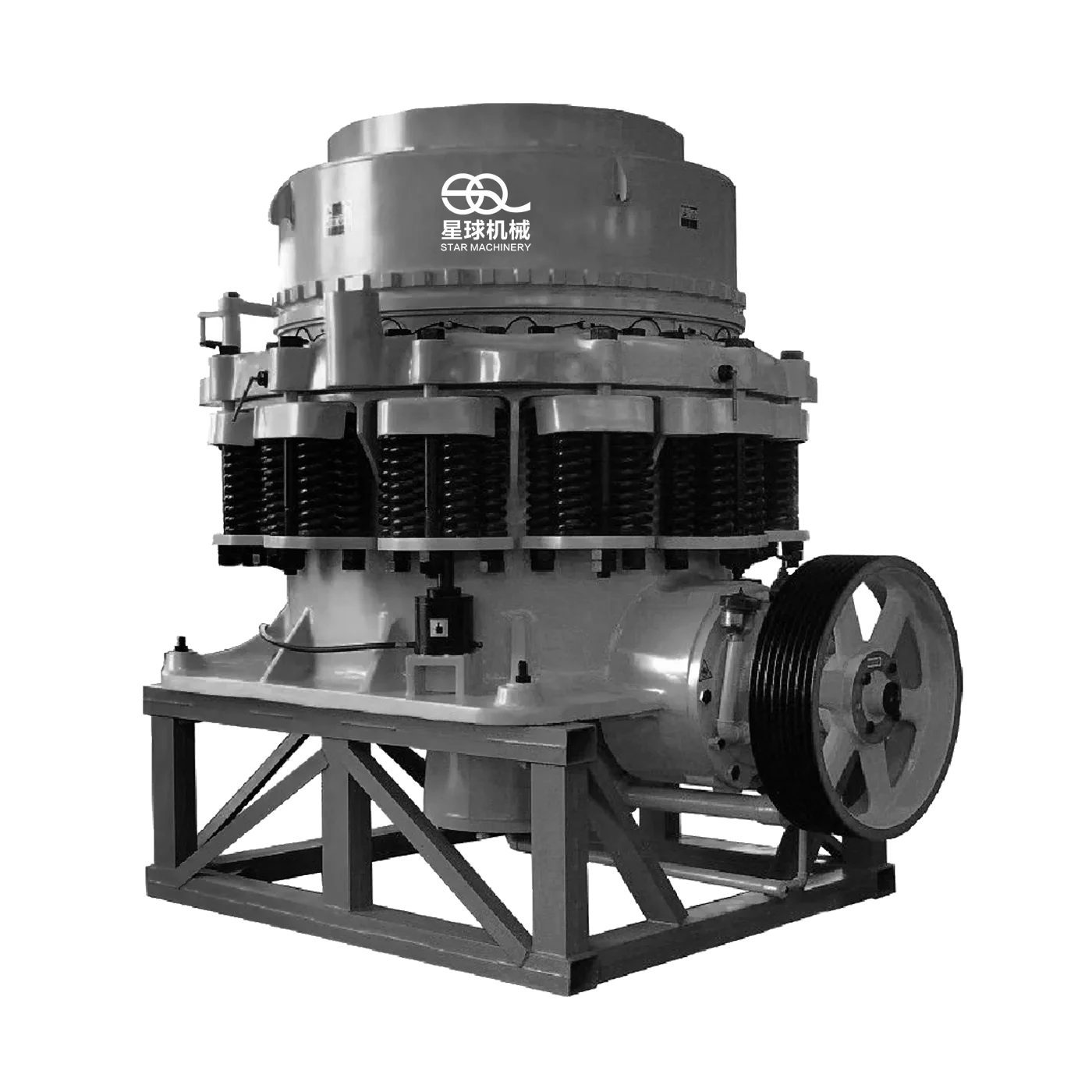
In short, a jaw crusher applies heavy compression to reduce large rocks. An impact crusher uses strong impact force for reduction and shaping. A cone crusher compresses hard material for secondary or fine crushing. The screen just checks sizes. It controls what moves forward and what returns for another pass.
This same size-classification principle works great with many feed materials.
A quarry is a place where people dig up rocks. Quarries screen limestone, river pebbles, granite, basalt, and other rock right after crushing. The different fractions can be sent to big stockpiles. Later, they are used for concrete, roads, asphalt, or dirt fill.
Mining digs up valuable dirt and ore. In mining, screening prepares the ore for secondary crushing or later processing. It removes the correctly sized material. Then, it directs the larger pieces straight back to the crusher.
Sometimes builders tear down old roads and houses. Mobile or fixed plants can screen crushed concrete, bricks, and old pavement material. This turns trash into recycled road-base aggregate or artificial sand. Mobile setups on wheels are perfect for short-term demolition and road-renovation sites.
Choosing the right screen depends on a few things. Screen selection follows the feed type, capacity, product sizes, and plant space.
People use circular vibrating screens all the time. They are used in quarry, mineral processing, building-material, power, and chemical applications. The YK/YZ models use heavy eccentric blocks or shafts. These moving parts push material across the deck. This action helps grade several product sizes very well.
A single-deck screen handles just one main separation. Multi-deck equipment has two or more screening surfaces stacked up. This allows several size ranges to leave through their own separate outlets. The number of decks should strictly follow the product specification. Adding extra decks without a process need is a bad idea. It just increases maintenance and makes material distribution much harder to control.
You have to select the screen with the whole process line in mind. The feeder, crusher, screen, and conveyor must handle compatible rates and particle sizes.
Always check these exact conditions before ordering:
A common flow looks just like this:
Feeding → Primary Crushing → Secondary Crushing → Screening → Finished Aggregate.
An aggregate line might combine a vibrating feeder, jaw crusher, impact or cone crusher, circular vibrating screen, and belt conveyor. A manufactured-sand line may also add a VSI sand maker and a sand washer. Star Machinery clearly describes complete crushing and screening equipment. They build complete production lines that combine these process stages according to raw material and product requirements.
Daily care is super important. It mainly focuses on keeping the openings clear and confirming that all the moving parts remain secure.
Regular inspection also protects the rest of the plant. A blocked or damaged screen can easily overload conveyors. It can alter the crusher feed and send totally incorrect sizes into the finished product pile.
Jinhua Star Machinery & Steel Casting Co., Ltd. is a great manufacturer. They manufacture crushers, vibrating feeders, vibrating screens, sand washers, and belt conveyors. The company reports an amazing annual output of more than 2,000 mining equipment units. They provide service for more than 1,000 mines around the world. They handle exports to more than 100 countries and regions.
Their big project work covers equipment selection, process design, and manufacturing. They also help with installation, commissioning, training, and spare-parts supply. To talk about screen size, capacity, and yard layout, simply contact the technical team.
Q1: Is a crusher screen the same as a crusher?
A: No, it is not. A crusher reduces large material by heavy compression or impact. A screen just separates the crushed material by size. It may return oversize pieces for another crushing pass.
Q2: What does a vibrating screen remove?
A: It separates particles that are below or above the selected screen opening. In a big crushing plant, it can remove correctly sized material from the circuit. Then, it sends the oversize material straight back to the crusher.
Q3: Can one screen produce different aggregate sizes?
A: Yes, it can. A multi-deck screen can easily separate several size ranges through different decks and discharge outlets. The deck count and opening sizes just need to match the required product specification.
Q4: Why does a crusher screen become blocked?
A: Many bad things can plug it up. Excessive feed, wet material, unsuitable openings, and poor distribution cause blocks. Damaged screening media can also block the deck. Careful cleaning and feed control help restore good separation.
Q5: How often should a crusher screen be maintained?
A: You must inspect the screen every single shift. Look closely for buildup, loose parts, mesh damage, and abnormal vibration. Always check the lubrication, springs, fasteners, and the exciter regularly.