Nov 5, 2026
)
 admin
There is no single best crusher for every plant. A jaw crusher usually handles the first reduction of large rock or ore, while a cone crusher machine is commonly placed in a later stage where the feed is smaller and product sizing needs closer control. The choice follows material, stage, throughput, target fractions, site, and maintenance.
Choose a jaw crusher when the circuit receives large lumps and needs primary compression. Choose a cone crusher when a downstream stage needs further compression and a defined product range. Many plants use both: the jaw opens the process, a screen separates material, and the cone handles part of the later reduction.
“Better” depends on the job. Feed hardness, abrasiveness, moisture, clay, maximum lump size, capacity, and required fractions can change the recommendation.
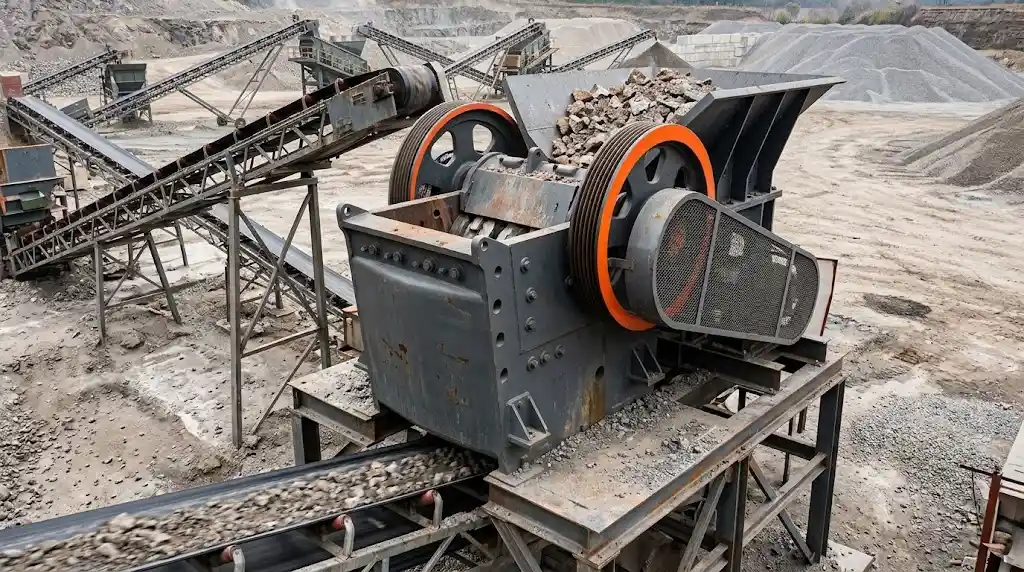
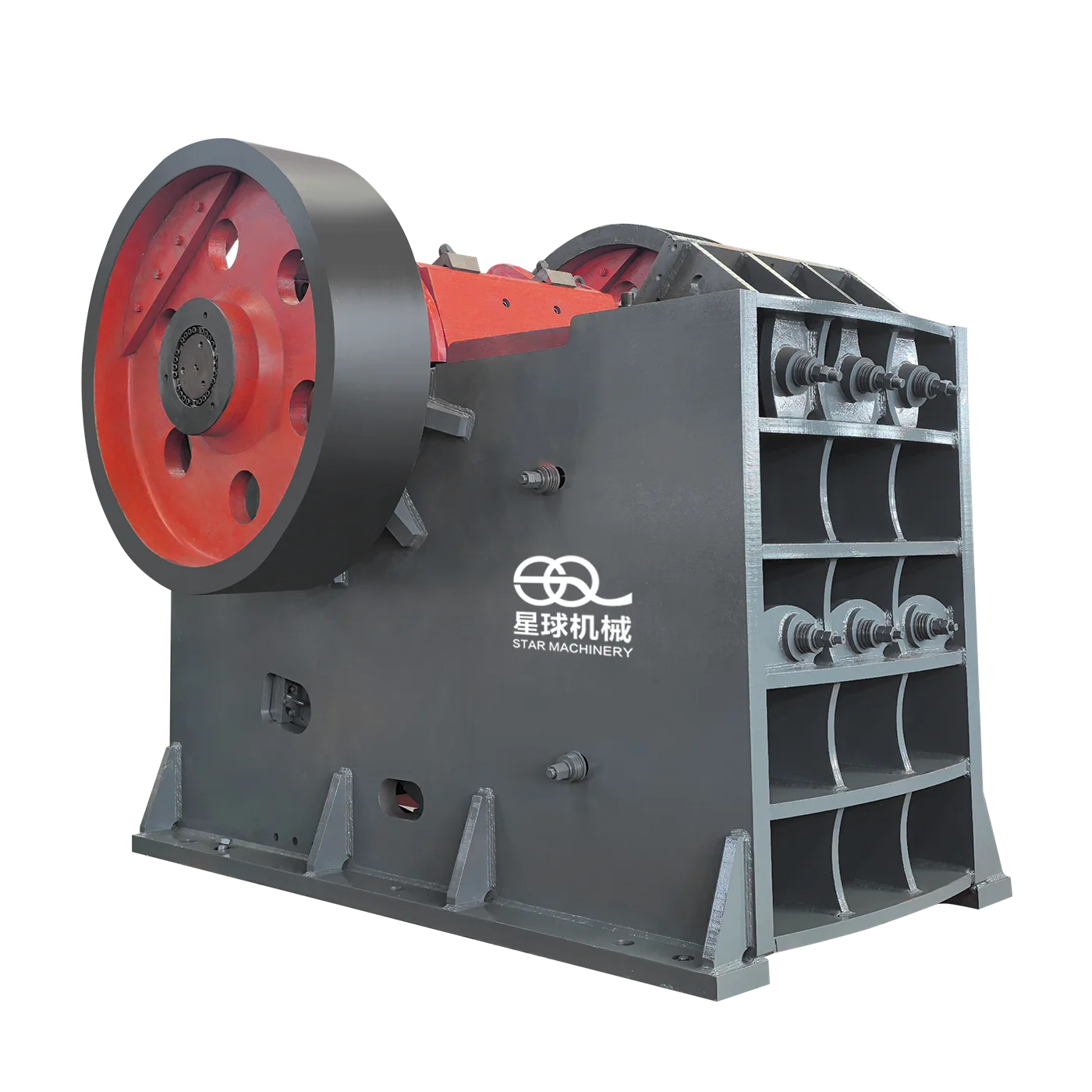
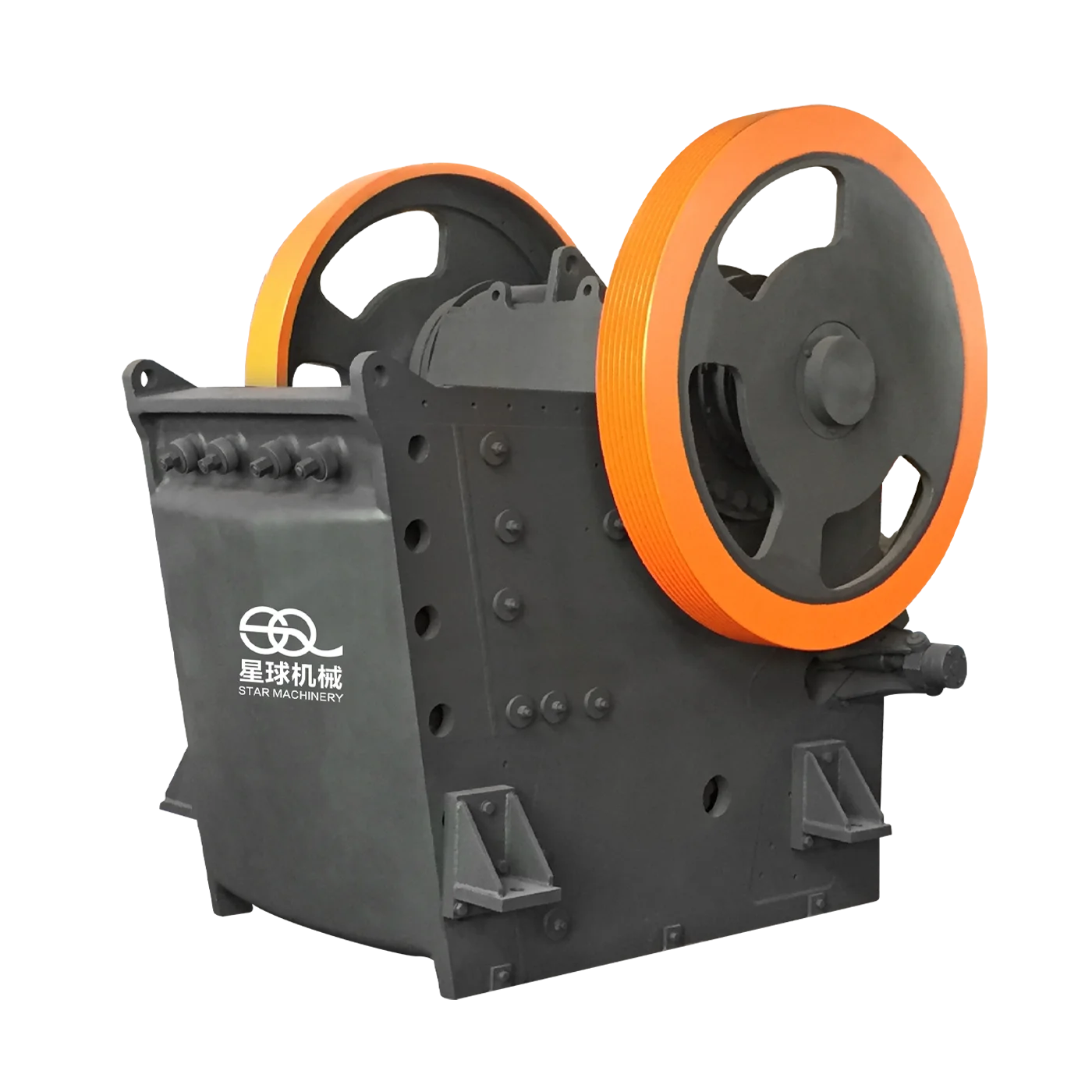
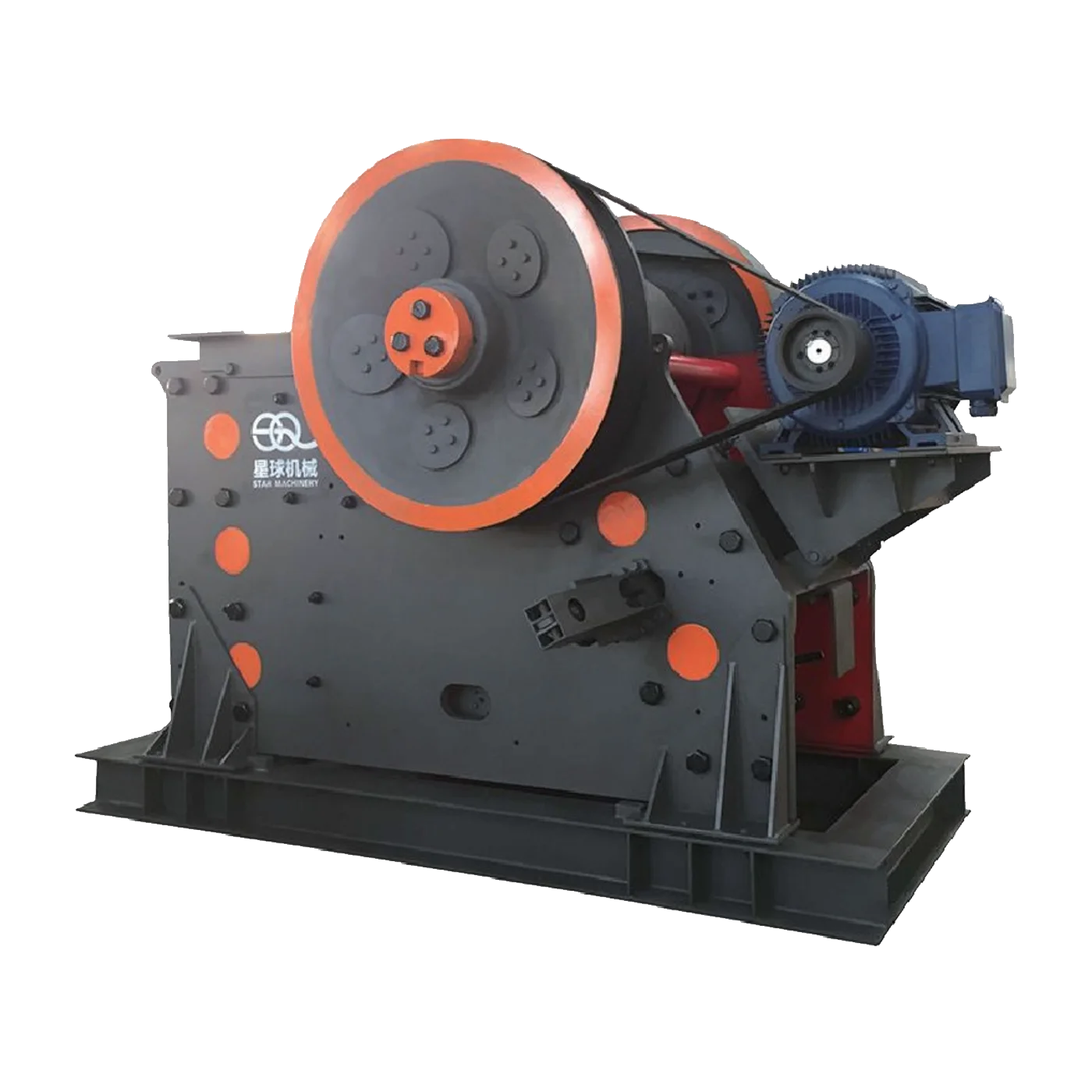
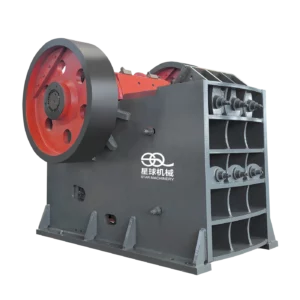
A jaw crusher forms its chamber with a fixed jaw and a movable jaw. The movable jaw closes against the fixed surface, catches feed, and applies compression. Broken pieces leave through the discharge gap.
That cycle makes the jaw a common primary machine for hard rock, ore, quarry stone, and mixed feed. The maximum lump size sets the feed-opening review. Its discharge setting works with the screen and next crusher.
Ask for the model’s feed basis, expected discharge, jaw-plate arrangement, and plate-replacement access.
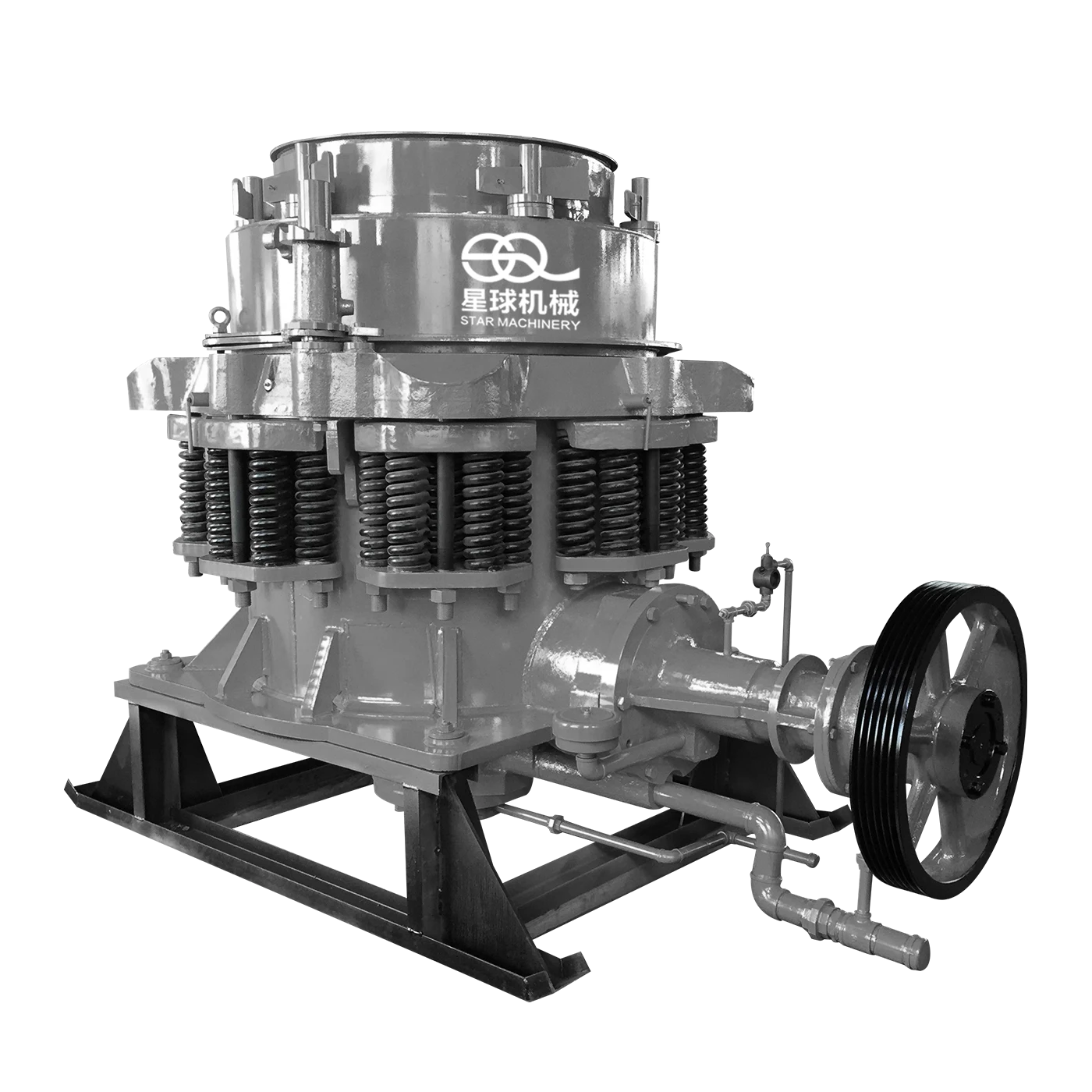
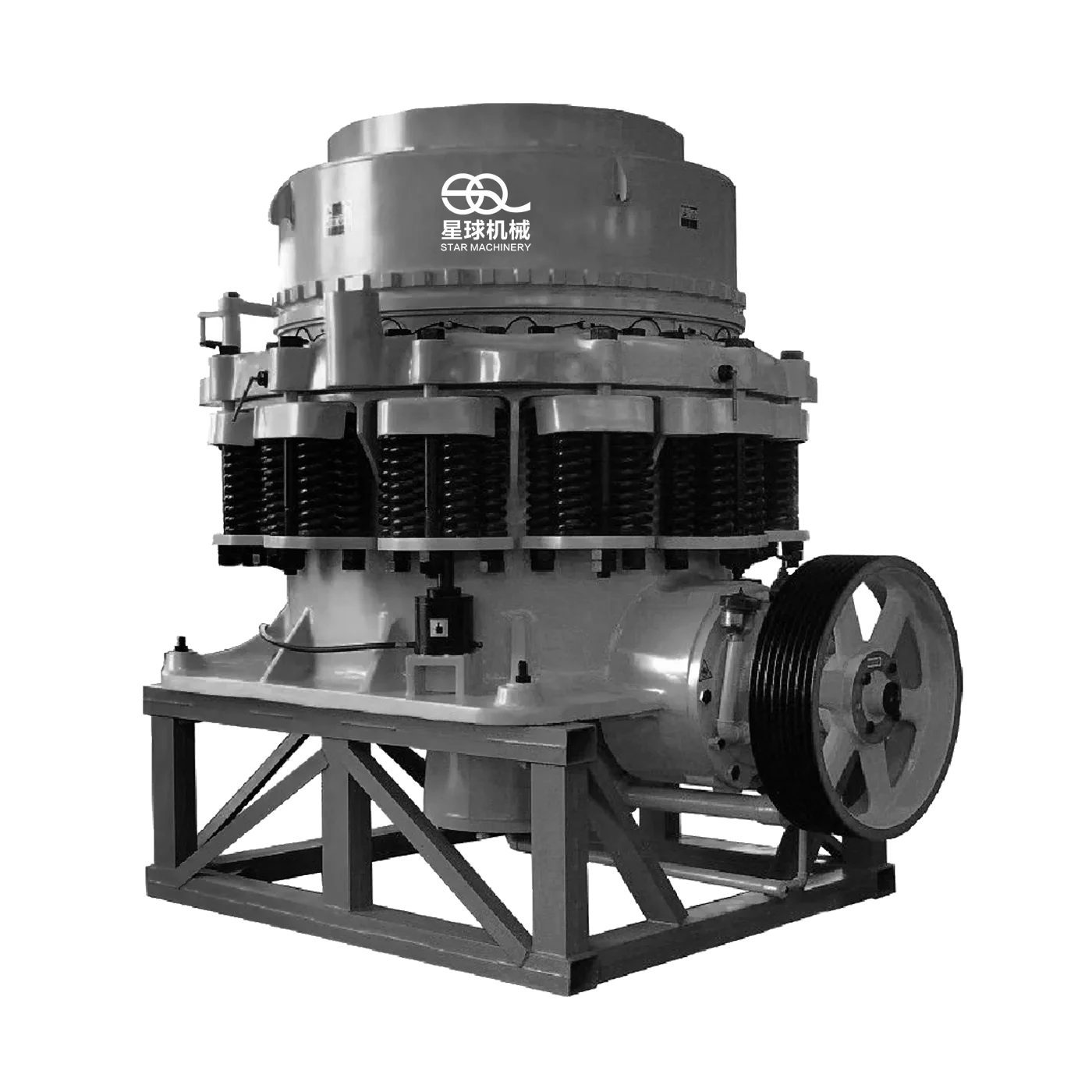
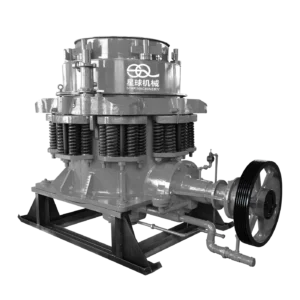
A cone crusher machine compresses material between a mantle and a bowl liner. The mantle moves inside the bowl, closing and releasing the crushing cavity. Material reaching the configured opening exits to a screen or the next process step.
Cone crushers are commonly reviewed for secondary or tertiary reduction. Closed-side setting, liner arrangement, feed grading, and the screen loop influence the product. Send the post-primary feed size and largest expected lump separately.
The comparison focuses on quotation decisions: process position, feed, output, and maintenance.
| Criterion | Jaw crusher | Cone crusher | Buyer implication |
| Typical process position | Primary reduction of larger feed | Secondary or tertiary reduction | Define the stage before comparing models |
| Crushing action | Compression between fixed and movable jaw plates | Compression through a mantle and bowl liner | Match the chamber to the material and duty |
| Feed review | Maximum lump size and feed opening | Feed grading after the preceding stage | Send the largest expected feed and its variation |
| Product control | Discharge setting plus screening | Closed-side setting, liner choice, and screening | State target fractions and the acceptable range |
| Main wear items | Jaw plates and chamber surfaces | Cone liners and adjustment or protection parts | Compare inspection access and spare-part planning |
The jaw normally sees the largest feed in the circuit and makes it manageable for screening and later reduction. A cone receives more controlled feed after the primary stage. Duty governs selection.
Describe the target as fractions or a maximum size, with any shape requirement stated plainly. On a jaw, the discharge setting and screen control forward movement. On a cone, closed-side setting, liner configuration, feed distribution, and recirculation shape the product discussion.
Do not compare a setting number with a finished-product claim from another machine. Ask where screening removes on-size material and where oversize returns.
Hardness describes the force needed for fracture; abrasiveness describes wear on contacting surfaces. Both affect the chamber and wear plan. Moisture, clay, and tramp metal change flow or expose internal parts to damage.
Jaw maintenance centres on jaw plates and chamber surfaces. Cone maintenance includes mantle and bowl liners plus adjustment and protection components. Replacement frequency depends on material and duty, so service-life figures need those conditions.
Ask where inspection occurs, how wear parts are removed, which spares are recommended, and what documents cover replacement.
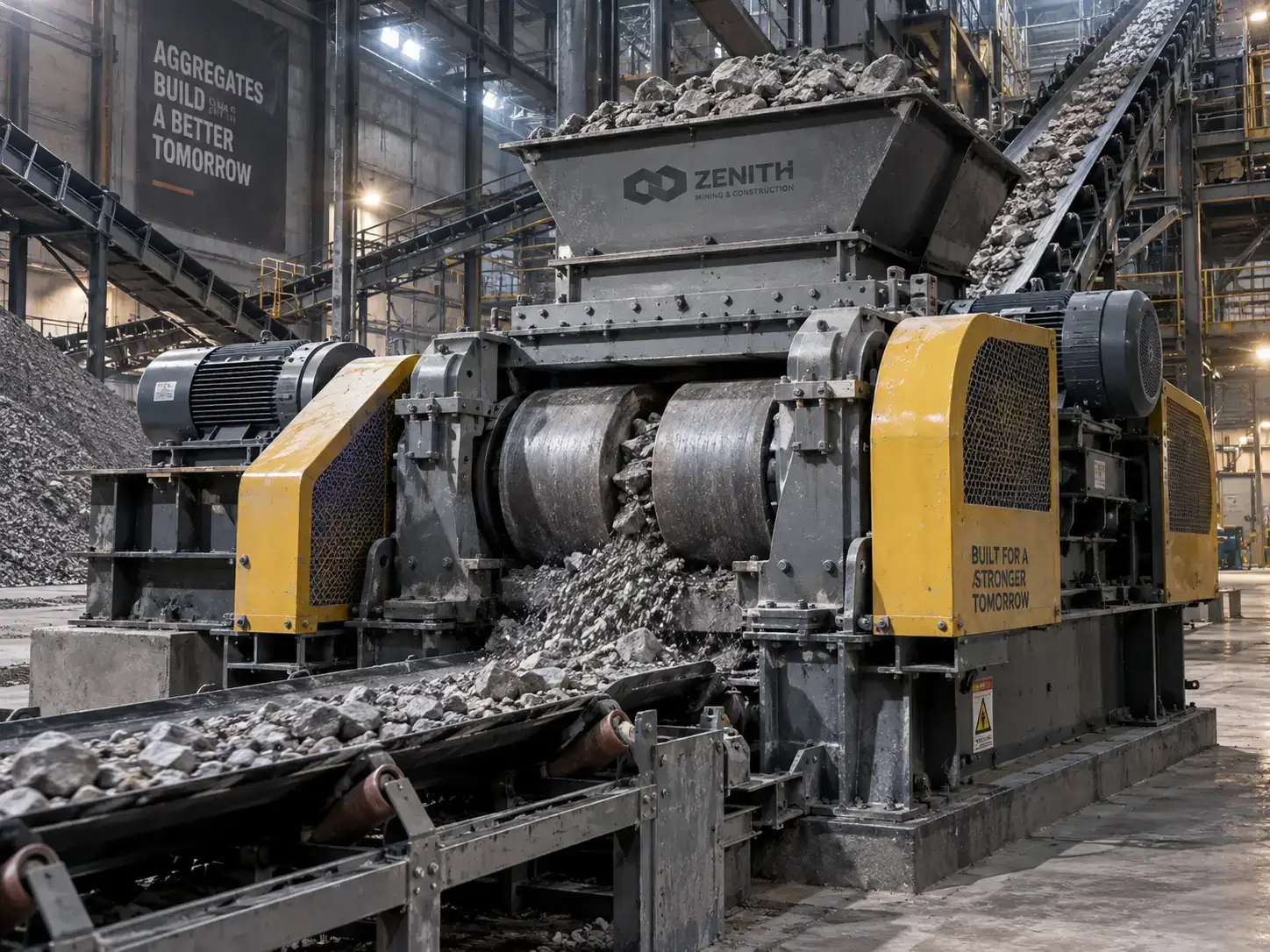
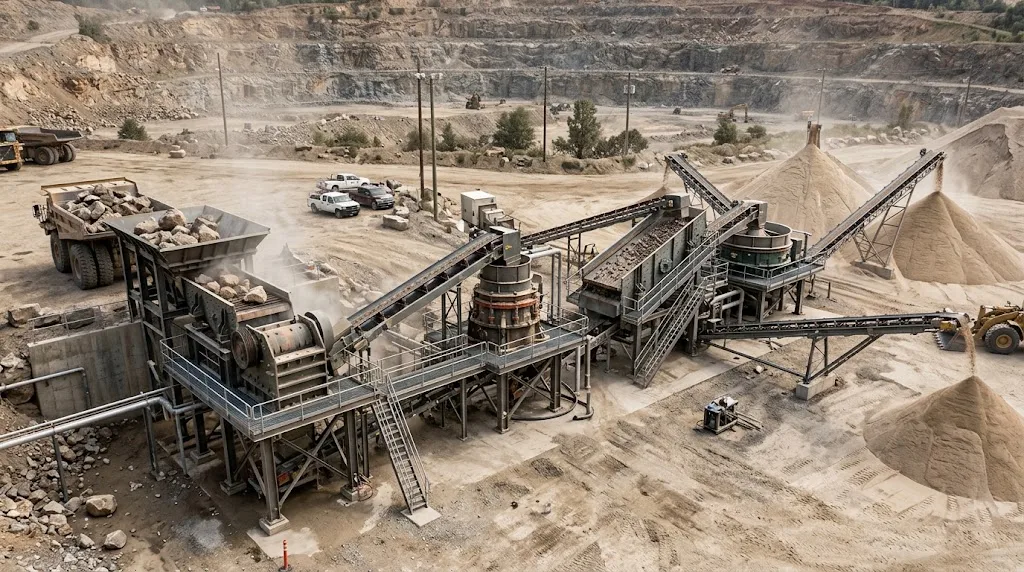
The feeder regulates flow; screens separate material; conveyors move product; a closed circuit returns oversize. Review discharge, utilities, space, mobility, dust/noise controls, and access.
The complete crushing and screening equipment arrangement gives the comparison its operating context. Screen duty and recirculation can change after the whole circuit is drawn.
A jaw crusher fits a primary duty with large feed and compression-based reduction. It is commonly considered for hard or abrasive rock and ore, subject to model limits.
Record maximum lump size, throughput, expected discharge, downstream screen, and plate-replacement access before approval.
A cone crusher fits a later reduction stage where incoming feed is controlled and the plant needs a defined product range. It is commonly reviewed for medium-hard to hard feed.
Send feed grading, target fractions, closed-side setting, liner arrangement, screen duty, and recirculation. Mark clay, moisture, or possible tramp metal.
Yes. A staged circuit can use a jaw for initial reduction, a screen for on-size material, and a cone for later reduction. Oversize can return to the cone in a closed loop.
Feed variability, product fractions, site space, and adjoining machine duties determine the layout. Review the flow sheet before selection.
| Information to send | Why it matters | Supplier response to request |
| Material name, source, and feed description | Establishes expected fracture and variability | Recommended crusher family and assumptions |
| Hardness, abrasiveness, moisture, clay, and fines | Guides force, flow, and wear review | Test needs, wear-part list, and operating limits |
| Maximum feed size and required throughput | Defines chamber and circuit duty | Model, feed arrangement, and rated basis |
| Operating hours and target product fractions | Shapes discharge and screening requirements | Setting, screen duty, and recirculation logic |
| Site layout, utilities, mobility, and delivery market | Affects installation and service planning | Footprint, documents, and delivery scope |
Include feed ranges, operating hours, layout, testing needs, and service expectations. The supplier can separate preliminary selection from confirmation items.
Ask how the equipment is produced and checked. For a casting-based crusher, request records for casting, heat treatment, machining, assembly, and physical or chemical testing. Star Machinery describes its quality testing and production control.
Confirm installation and commissioning documents, operator guidance, spare-parts routes, and delivery-market support. Star Machinery lists overseas technical service; define the information supplied and returned.
The jaw-versus-cone decision follows the feed, stage, output, and maintenance route. Jinhua Star Machinery & Steel Casting Co., Ltd. was established in 1993 and manufactures mining equipment, crushing and screening equipment, and wear-resistant steel castings. Its production scope includes casting, heat treatment, machining, assembly, and physical and chemical testing. The company supplies customers in more than 100 countries and offers overseas technical/service support.
Send the ore or rock description, maximum feed size, throughput, target fractions, site conditions, operating hours, and delivery market with a crusher selection and quotation request. The complete circuit and confirmation items can then be reviewed.
Q1: Which crusher is better for primary crushing, a jaw or a cone?
A: A jaw crusher is commonly selected for primary reduction of larger feed. A cone crusher is commonly reviewed after the feed has been reduced and controlled. Model, capacity, material, and target product require confirmation.
Q2: Is a cone crusher suitable for hard and abrasive rock?
A: A cone crusher can be considered for hard or abrasive feed in a secondary or tertiary duty. Review liner choice, feed grading, closed-side setting, and wear parts against the material.
Q3: Can a jaw crusher be used for secondary crushing?
A: The jaw crusher’s common role is primary reduction, where the largest feed enters the circuit. Any other duty needs a review of feed size, discharge target, capacity, and downstream screen.
Q4: What is the practical difference in product size and shape?
A: Product size comes from settings, chamber or liner arrangement, screening, and recirculation. A jaw’s discharge setting works with its screen; a cone’s closed-side setting and liner work with the later-stage screen. State target fractions and shape requirements.
Q5: What information should a buyer send for a jaw or cone crusher quotation?
A: Send material and source, hardness or abrasiveness, moisture and clay range, maximum feed size, throughput, operating hours, target fractions, stage, site utilities, mobility, delivery market, and service requirements. Include feed variation and testing needs for a recommendation and confirmation list.