Nov 5, 2026
)
 admin
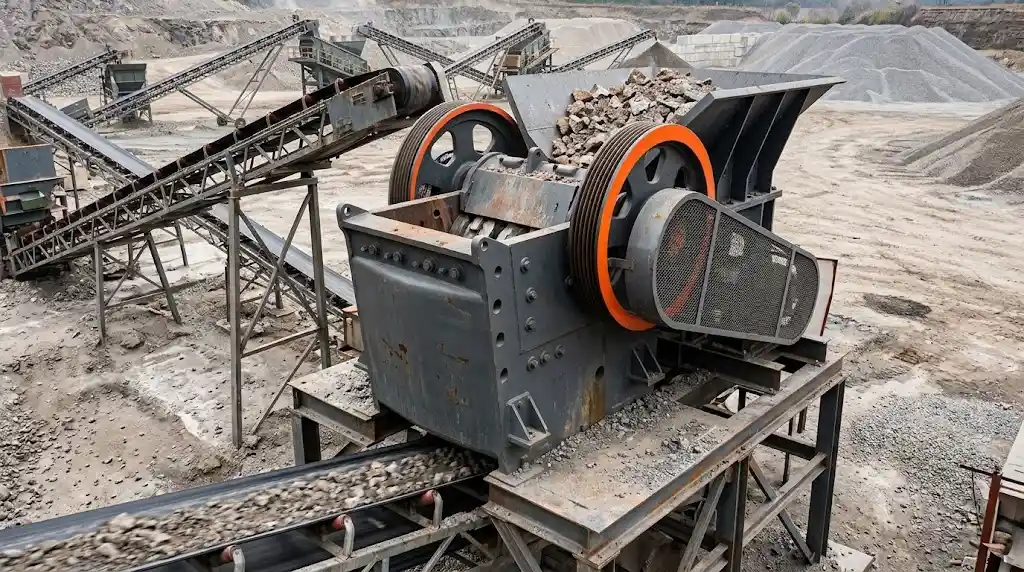
A roll crusher reduces stone, ore, and other solid feed between rotating cylindrical rolls. In a double-roll arrangement, the rolls turn inward and pull material into a narrowing gap. Pressure fractures the particles; grooves or teeth can add shear. These machines are used for fine crushing, sand making, and controlled sizing.
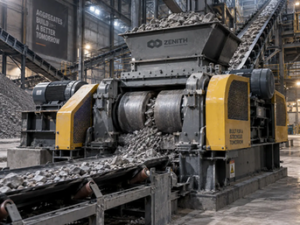
The name describes the working part. One or more heavy rolls apply force directly to the feed. “Roll crusher” and “roller crusher” usually refer to the same equipment category. The term crushing roller means the roll or roller-ring assembly that contacts the material.
A single-roll machine works against a fixed crushing surface. A double-roll machine uses two opposing rolls and discharges through the space below them. Roll surface, feed properties, and machine configuration decide whether either layout suits the job.
Feed enters from the top. Friction draws each particle downward as the space between the rolls becomes tighter. Pressure fractures the particle, and a grooved or toothed surface adds cutting and tearing forces.
Both rolls rotate toward the center. Motors transmit power through belts, a reducer, gears, or chains. Poor alignment creates an uneven gap and concentrates wear on part of the working width.
Material should arrive at a steady rate across the rolls. A pile on one side loads that section more heavily, and sudden lumps create impact loads. Metal pieces can mark the roll surface or strain the transmission. Any overload mechanism must match the duty.
The gap between the rolls forms the discharge opening. Closing it generally makes the product finer. Opening it allows larger particles to leave. Particle shape, hardness, moisture, spring pressure, and roller wear all influence the grading, so a nominal gap is only the starting setting.
Set the machine for the actual feed, run a sample, and check the product. Gap adjustment may be mechanical, spring loaded, or hydraulic. Spring force affects resistance to the feed and the response to an overload.
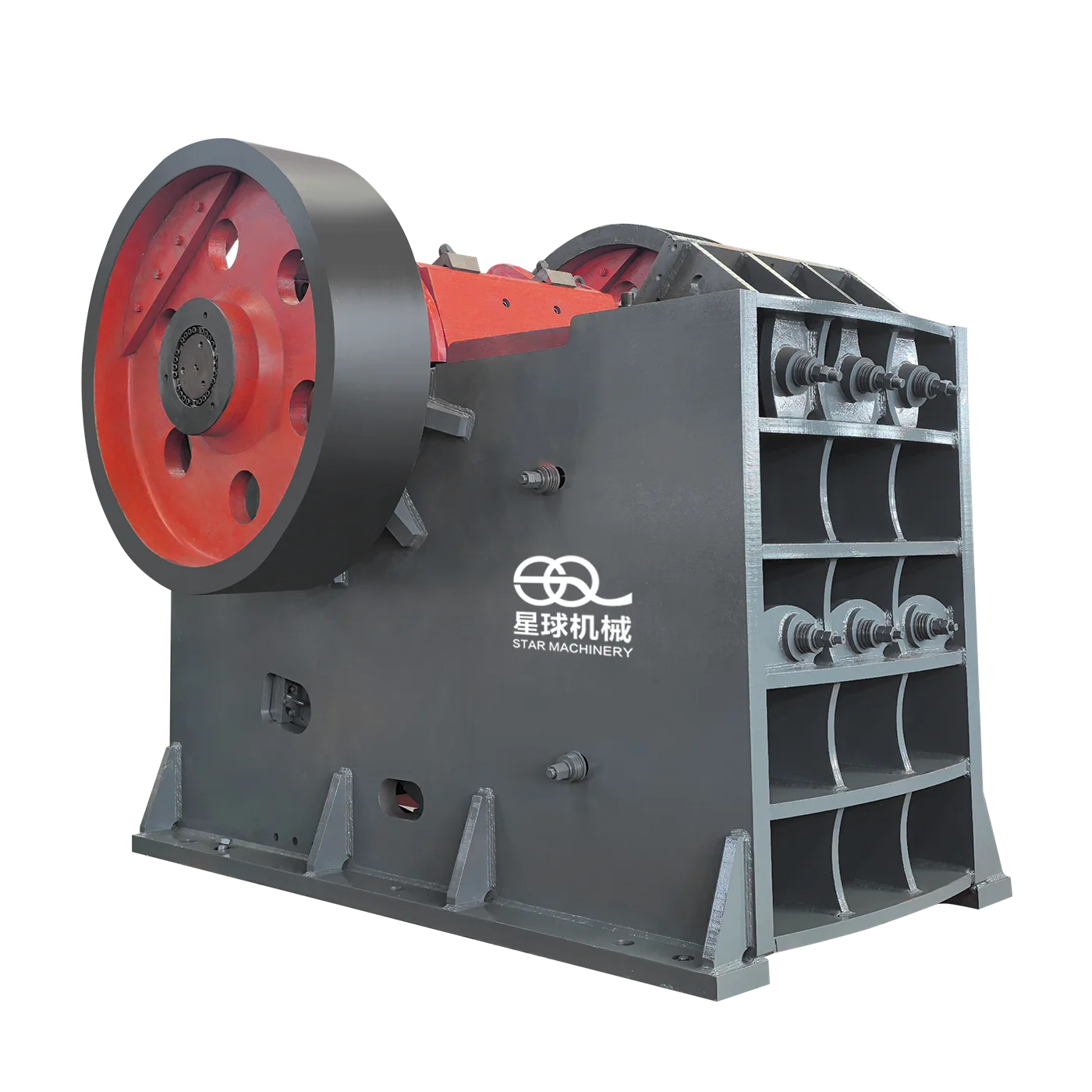
The crushing roller receives the most direct wear. Its surface can be smooth, grooved, corrugated, or toothed. Bearings carry the rotating load, and the frame keeps both rolls in position.
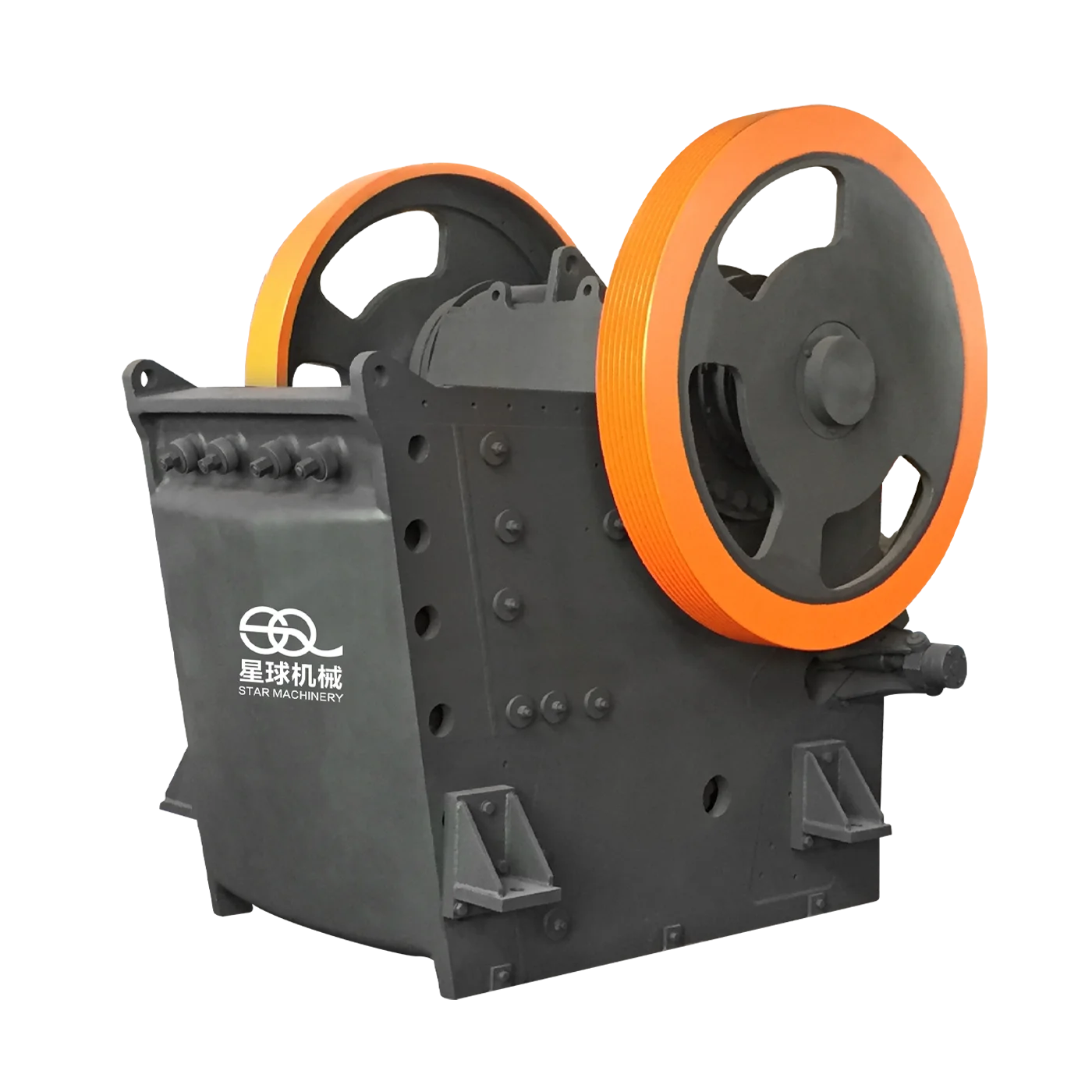
The YB double-roll crushing system combines adjustable spring force with a roller-wear compensation mechanism. The operator can reset the working gap as the roller ring wears.
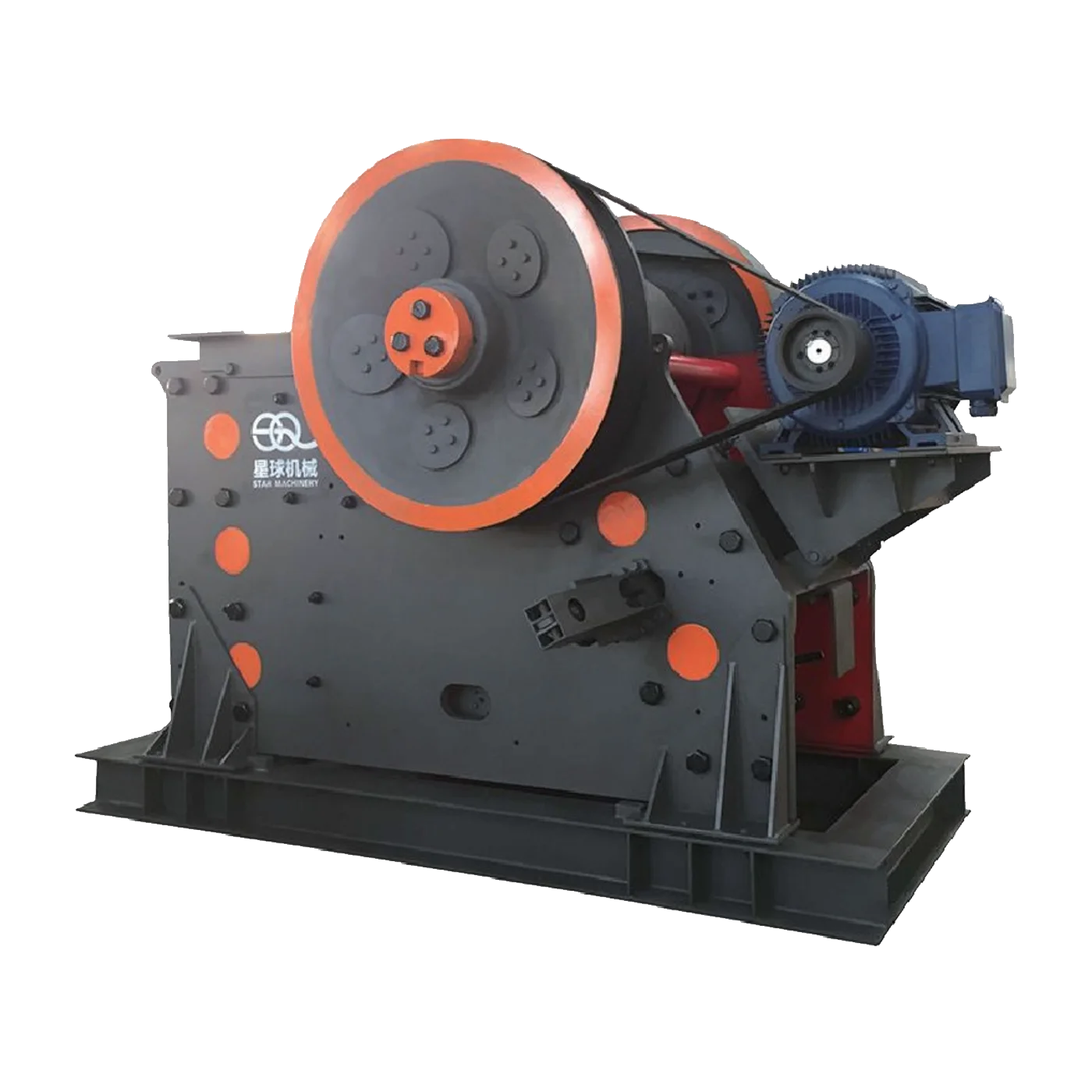
Belts, a reducer, chains, or gears carry motor power to the rolls. Lubrication points serve moving parts, guards cover the transmission, and adjustment hardware holds the selected gap.
Two details define most roll-crusher categories: the number of rolls and the surface fitted to them. Together, they determine how the machine catches its feed and what kind of breakage occurs.
A single-roll crusher presses material against a stationary surface. Teeth or raised profiles catch the feed. This construction serves selected primary or secondary sizing duties with friable material.
Two rolls turn toward one another in a double-roll crusher. Material fractures between them and drops through the bottom opening. Adjusting the gap changes the product size.
The XS double-roll crusher has two motors. Power passes through a belt-driven reducer and then through a chain drive to turn the rolls in opposing directions. Its roller gap and spring pressure can be adjusted for different feeds and finished-product requirements.
Smooth rolls use compression and suit finer sizing of brittle feed. Grooves provide a firmer grip and more shear. Teeth reach into larger or difficult-to-grip pieces during coarser work.
Strong teeth can change product shape and may be unnecessary for fine sand. Choose the profile from a feed test or detailed material evaluation.
Brittle material that fractures under compression is the usual candidate. Hardness and abrasiveness limits vary with the roller material and intended duty. Sticky feed can coat the rolls and interfere with discharge.
The YB series, for example, is specified for medium-hard brittle material with compressive strength below 160 MPa and a feed size below 25 mm. Its listed materials include river pebbles, granite, basalt, iron ore, limestone, calcite, quartzite, and pyroxene. Applications include concrete sand, manufactured sand, dry-mix mortar, and quartz sand production.
Those figures define the YB operating range. Hard, abrasive rock wears roller surfaces faster, and oversize pieces can overload the crushing zone. For a new application, send the supplier material test information or a representative sample. A material name alone does not describe its crushing behavior.
An adjustable gap controls the discharge opening. Feed must stay inside the machine’s stated size and hardness range.
| Suitable conditions | Points requiring caution |
| Output size needs adjustment through the roll gap | Oversize feed can block or overload the rolls |
| Brittle feed responds well to compression | Abrasive particles increase roller-surface wear |
| The process suits continuous bottom discharge | Metal pieces can damage rolls and drive parts |
| The selected surface can grip the feed | Sticky feed may build up in the chamber |
| Fine crushing or sand making is required | Very hard feed may require another crusher type |
Match the gap, spring pressure, and feed rate, then sample the product under normal load. Choose a different crusher if the feed exceeds the machine’s limits or the required output lies beyond its capacity.
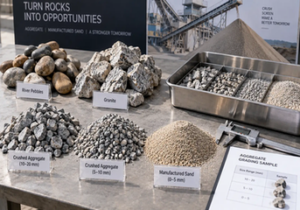
Describe the feed by name, hardness or compressive strength, abrasiveness, moisture, maximum lump size, target product size, and required tonnes per hour. Photographs cannot show compressive strength or abrasion.
Compare the roller profile, dimensions, gap range, drive power, adjustment method, and overload protection. Bulk density, feed grading, moisture, and discharge setting can change actual throughput.
Review broader crusher equipment options when a roll machine falls outside the required duty. Large lumps may need primary crushing first; highly abrasive material may suit another method. Leave room to replace a roller and service the drive. Confirm spare parts, power requirements, and space for the feeder and discharge conveyor.
Before startup, make sure the rolls turn freely, fasteners are secure, and the feed opening is clear. Start the crusher, then spread the feed across the roller width at a steady rate. Remove metal upstream.
Operators must stay clear of rolls and transmission parts. An unfamiliar sound, irregular rotation, or sudden vibration calls for an immediate shutdown and inspection. Isolate the power before changing the gap, clearing a blockage, opening a guard, or replacing a roller surface.
After production, clean the roll surfaces and chamber. Check lubrication and inspect the roller skin for uneven wear. Tighten loose fasteners during the weekly check. Store a clean, rust-protected machine in a dry, ventilated location.
Star Machinery supplies YB and XS double-roll equipment for selected crushing and sand-making work. The stated YB capacity range is 15 to 200 t/h; the XS range is 15 to 40 t/h. Feed size, material properties, required product, and hourly output determine the model. Support can include process design, installation and commissioning, operator training, and maintenance guidance. The roll unit can also be assessed as part of a complete crushing production line with matched feeding, screening, and conveying equipment.
Q1: What is a roll crusher mainly used for?
A: It reduces suitable brittle material through compression and shear. Typical duties include fine crushing, controlled particle sizing, and selected sand-making applications.
Q2: How does the gap between the crushing rollers affect output size?
A: Closing the gap generally produces finer output. Feed hardness, shape, moisture, spring pressure, and roller wear also affect the finished grading, so operators should confirm the result with a sample.
Q3: What is the difference between a smooth roll and a toothed roll crusher?
A: Smooth rolls depend mainly on compression. Toothed rolls grip feed more aggressively and add a stronger shearing action, which can help with coarse or difficult-to-grip pieces.
Q4: Can a roll crusher process hard rock?
A: Some models process medium-hard rock. The chosen model must cover the feed’s hardness, abrasiveness, and maximum size. Highly abrasive or oversized rock can cause rapid wear or overloading.
Q5: What information is needed before requesting a roll crusher quotation?
A: Provide the material name, hardness or compressive strength, maximum feed size, target product size, hourly capacity, moisture, electrical supply, and site conditions. A representative sample can improve the selection.