Nov 5, 2026
)
 admin
A stone crusher plant needs a good upkeep plan. This plan protects the moving parts from breaking. It also keeps the rocks flowing smoothly. The daily routine covers cleaning, checking bolts, and adding oil. You also need to look closely at wear parts and fix screens. Safe shutdowns are a big deal, too.
Make sure every shift has simple checks to do. Then, plan deeper looks every week or month. Finally, do a huge check every three months. You must include the feeder, crusher, screen, conveyors, and wash equipment in this plan. If one part breaks down, the whole line stops. Taking care of every single piece is a total must.
Crushing rocks is really tough work. The load changes a lot day by day. Sometimes rocks are super hard. Other times they are very wet or huge. Plus, your daily goals might change. These changes put a ton of stress on the machine. The liners, bearings, and shafts take a real beating. Screens, springs, belts, and gear drives get pushed hard, too.
Doing regular checks helps you find loose bolts early. You can easily spot blocked screen holes or low oil levels. You might even hear weird noises before things get really bad. Finding these clues early makes fixing the problem much easier. It also gives your crew plenty of time to buy new wear parts. Then, you can plan a safe time to shut down the plant without rushing.
Daily checks should be fast and simple. You want to finish them before the heavy work starts. You also need to do them right after the shift ends. Write down exactly what you find. Note who did the check and what needs fixing today. A good operator knows their machine well. If people keep writing about the same weird noise, pay attention. The same goes for oil leaks or dirt buildup. These early clues often point to a bigger problem that is just starting.
Wait until the equipment fully stops. Then, start cleaning. Brush off small rocks and dust from all surfaces. Dust gets into everything. It can ruin bearings and make motors run hot. So, sweeping it away is very important. Clean out the feed ports and the exit ports. Make sure walkways are clear. Clear out the holes in the vibrating screen. If you forget this step, wet dirt will turn hard like rock on the mesh. Does your line use a sand washer? If yes, clean out the trough. Wipe down the impeller, too. Leftover dirt can block the water flow. It also makes your next inspection much harder to do.
Take a good look at all the connecting bolts. Check the safety guards and the bearing housings. If any hardware is loose, grab a wrench. Tighten it up using the right torque steps. Next, look at your oil and grease. If the levels are low, pour in the right product.
When the machine is running, use your ears. Listen for knocking or scraping sounds. Does the motor sound different today? Keep an eye out for crazy shaking. Watch how the belt moves. Look for oil spots on the ground. Check if the bearings are getting too hot. If you see or hear something wrong, turn off the power right away. Then, check the machine to see what broke.
Look closely at the feed opening and the chute. Check where the rocks come out. Look for jams, big dirt piles, or blocked paths. Make sure the feeder is moving rocks evenly. The conveyor belt should not spill too much stuff on the ground. Did the size of the outgoing rocks suddenly change? Did the flow slow down super fast? That could mean a liner is totally worn out. It might also mean a setting is loose. Maybe a screen is broken, or a part is just too full of rocks.
Every week and month, you need to dig a bit deeper. You will look at the drives and electrical wires. You must check belt tension and look for worn metal parts. Look at your plant layout and old repair notes. These notes tell you which covers need to come off. Remember, only a trained worker should take these covers off.
Take time to look at the motors and reducers every week. Wipe away the surface dust. Check the wire covers for cuts or burn marks. Look closely at the belts. Are they fuzzy, cracked, or super shiny? Are they sliding off track? If a belt is slipping, it wastes power and can jam the machine. Next, check the gear drives and other moving parts. Make sure they line up right and have enough oil. Fix the belts and gears if they need it. Always put the safety guards back on before you start the machine again.
Look at the screen panels very carefully. Watch out for snapped wires or holes that got way too big. Check for loose clamps. Look at the springs and see how tight the screen is. A weak spring is bad news. A loose screen panel is also bad. They change how the machine shakes. This mistake can send huge rocks into the next step. Swap out broken parts right away. Tighten the screen the way the maker says to. Finally, check the support beams. Look for cracks or loose bolts there, too.
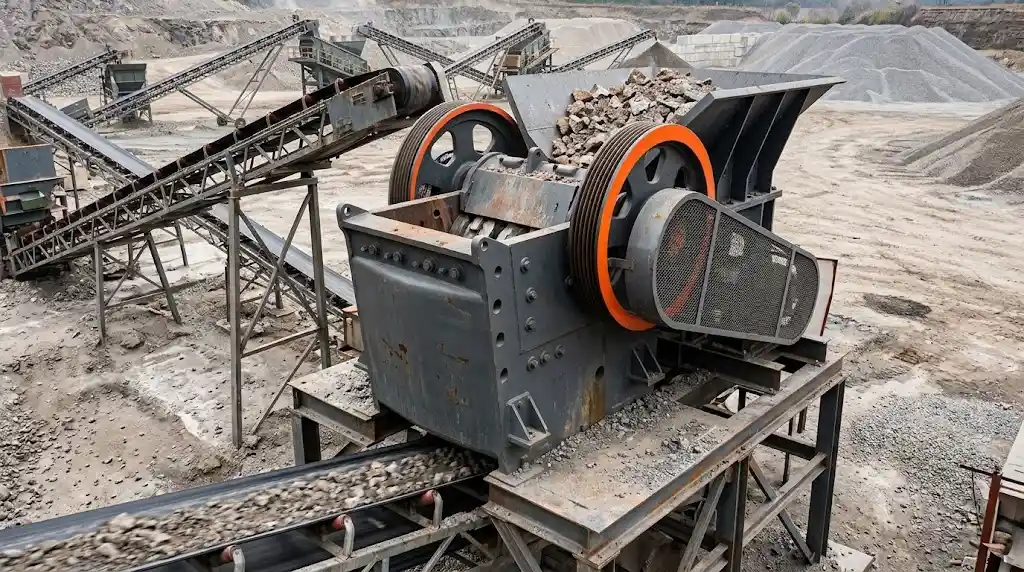
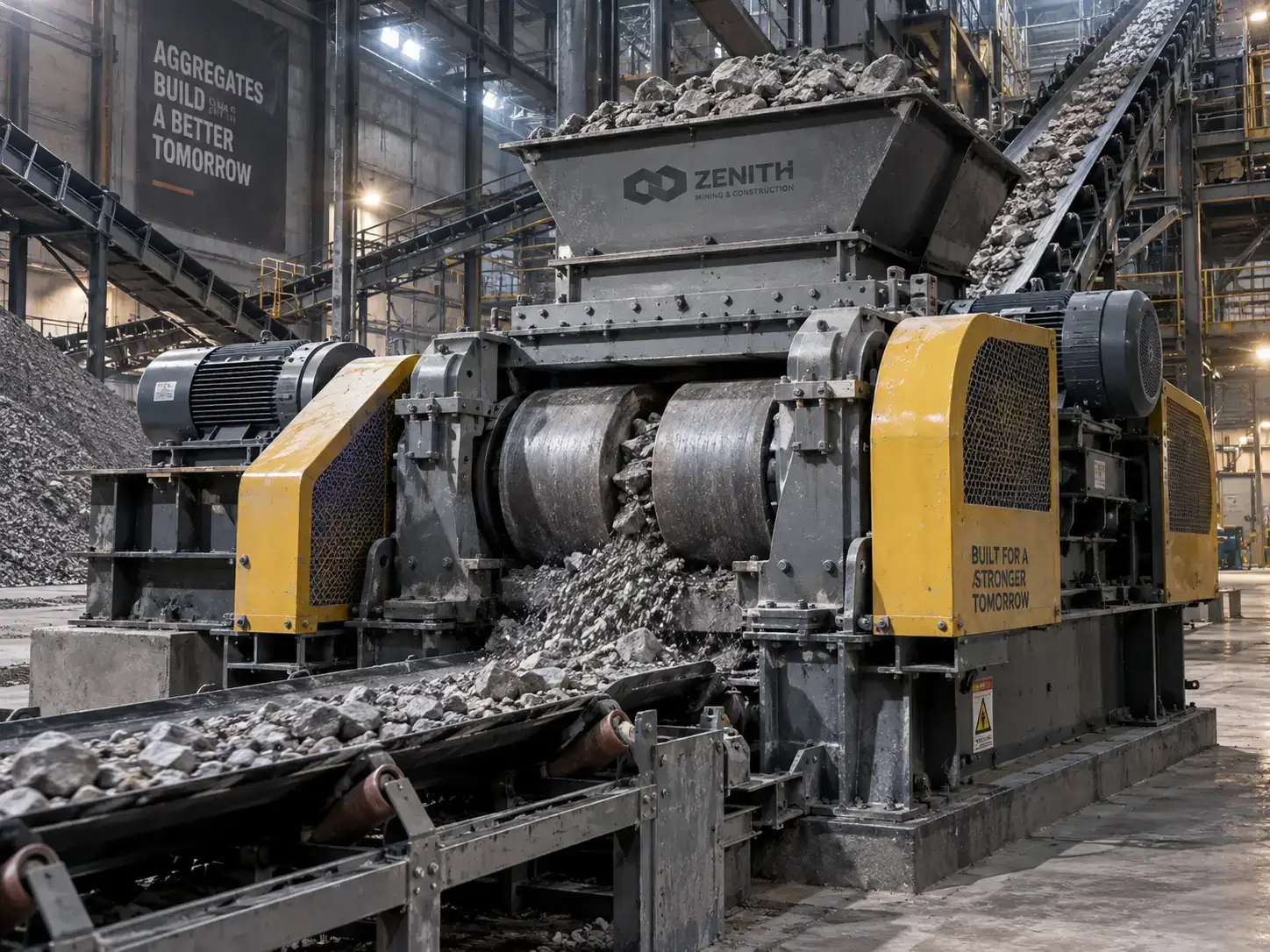
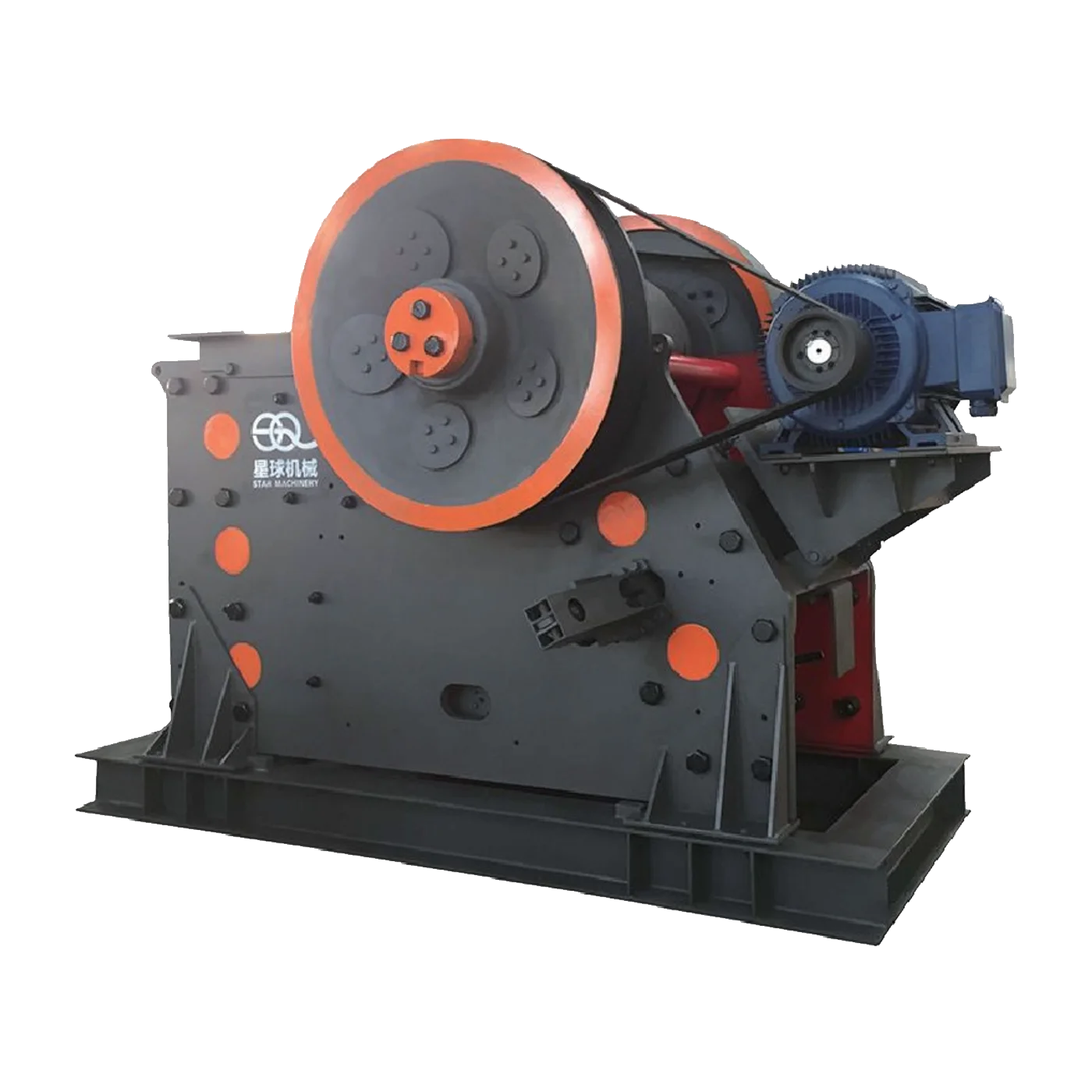
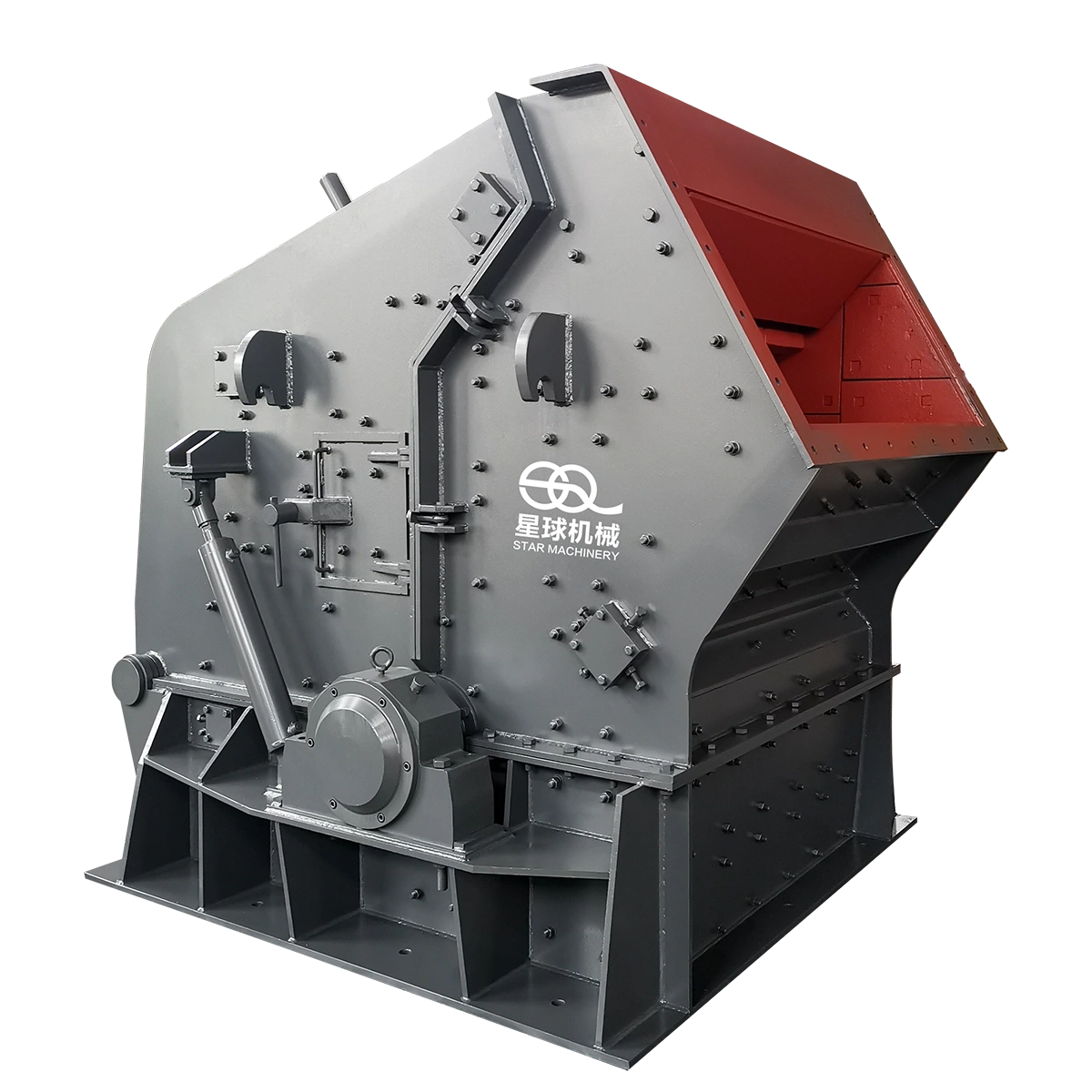
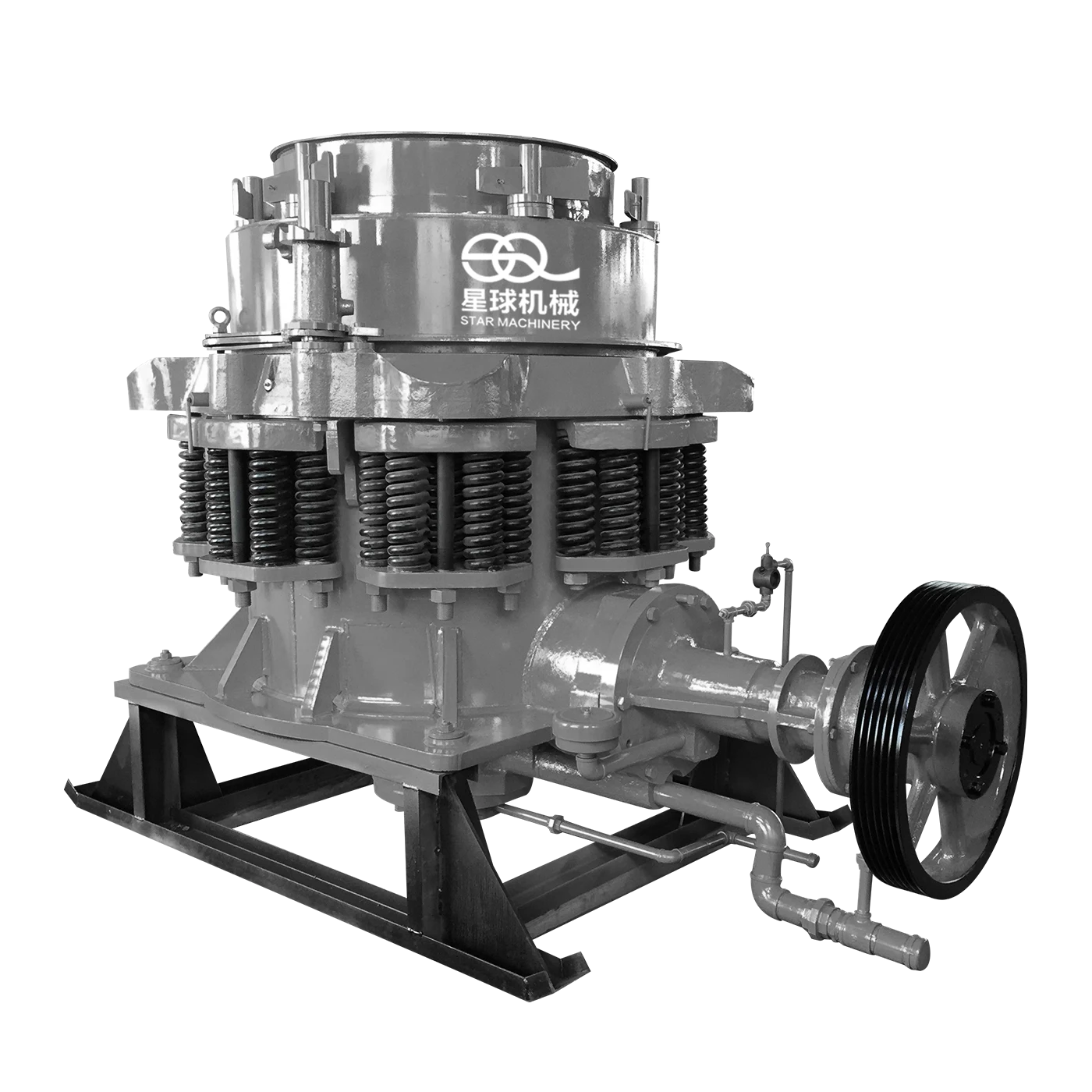
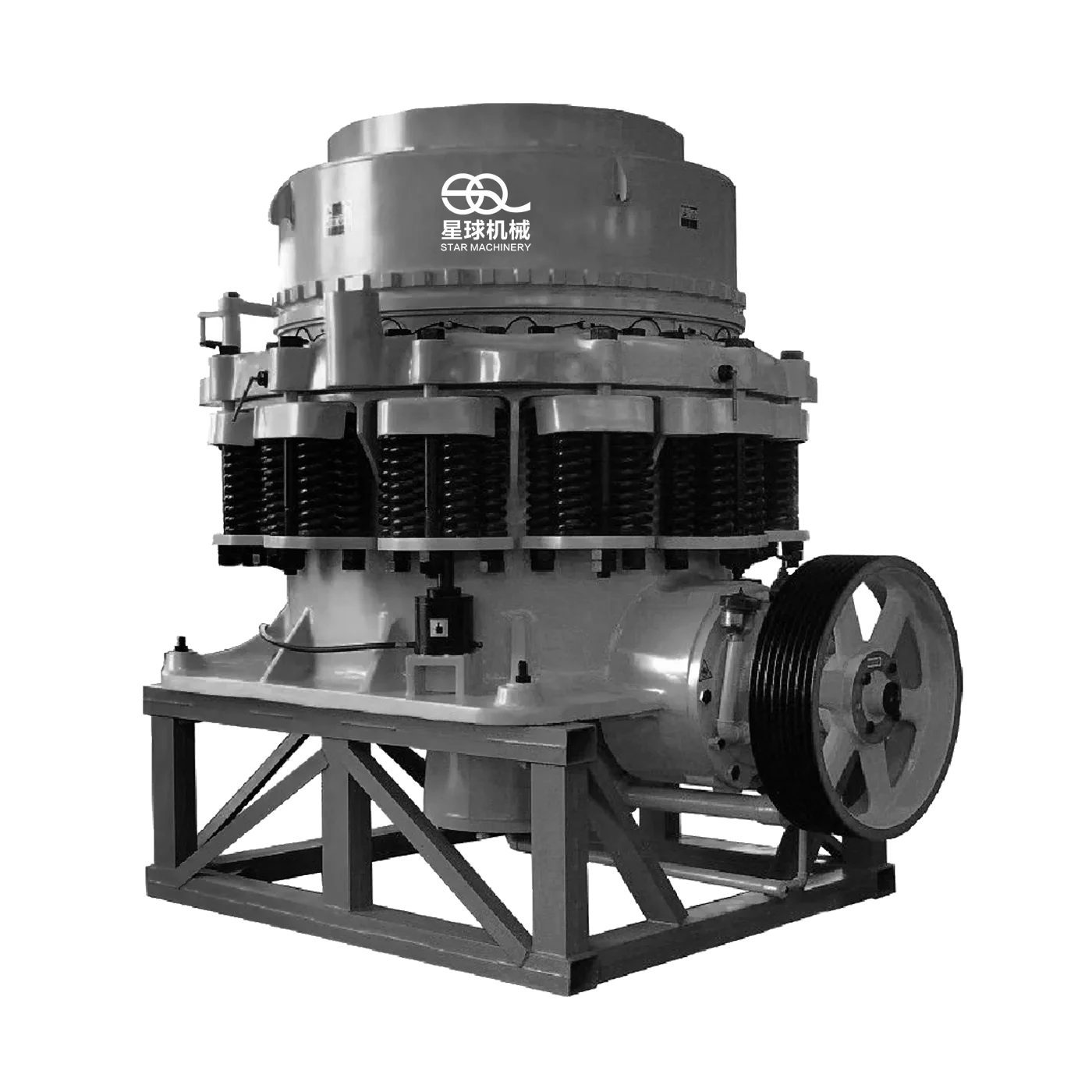
Wear parts touch the rocks directly all day long. So, their shape changes how the final rocks look. It also changes how hard the machine works. The crusher equipment range includes several crusher types. Each one has parts that need a visual check and a tape measure.
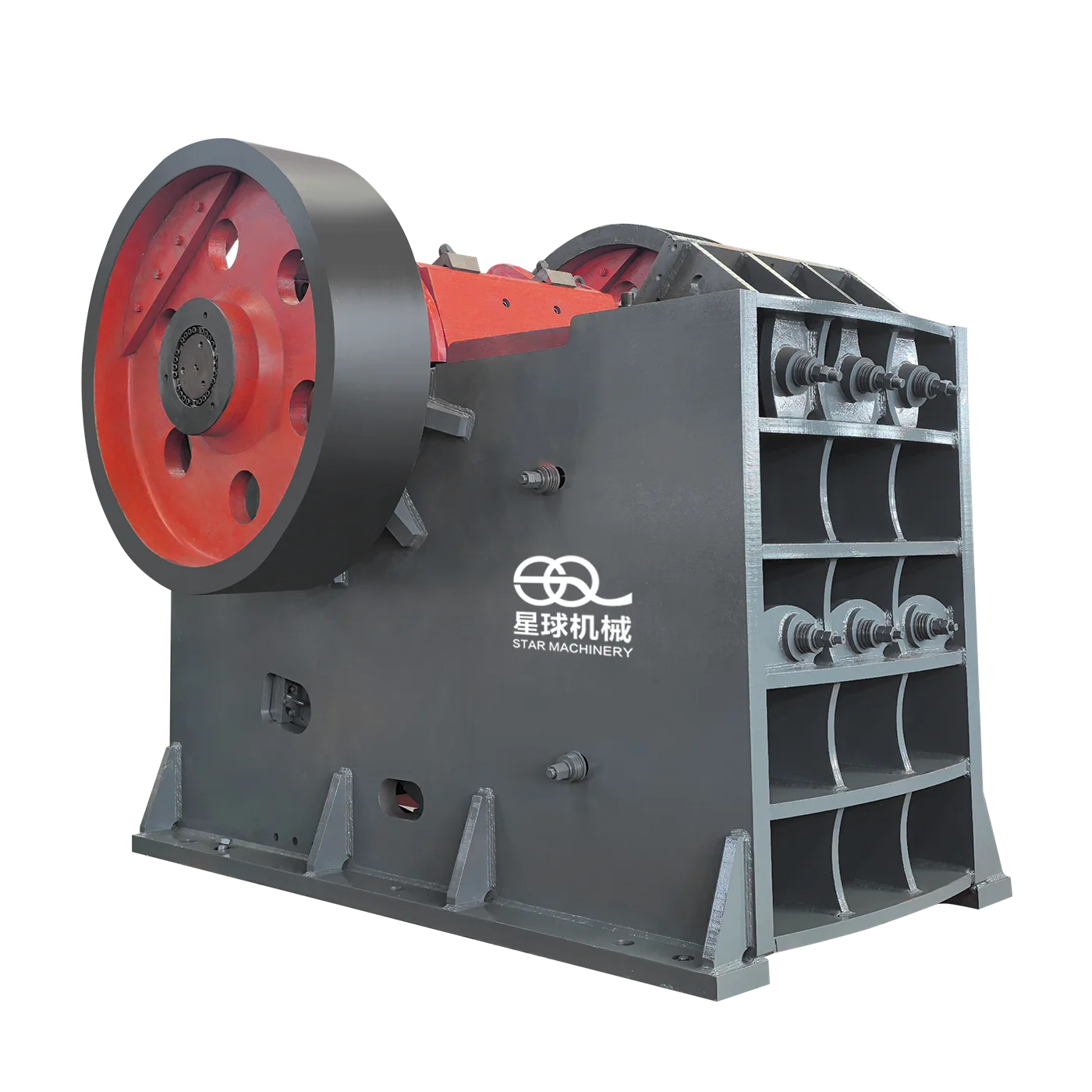
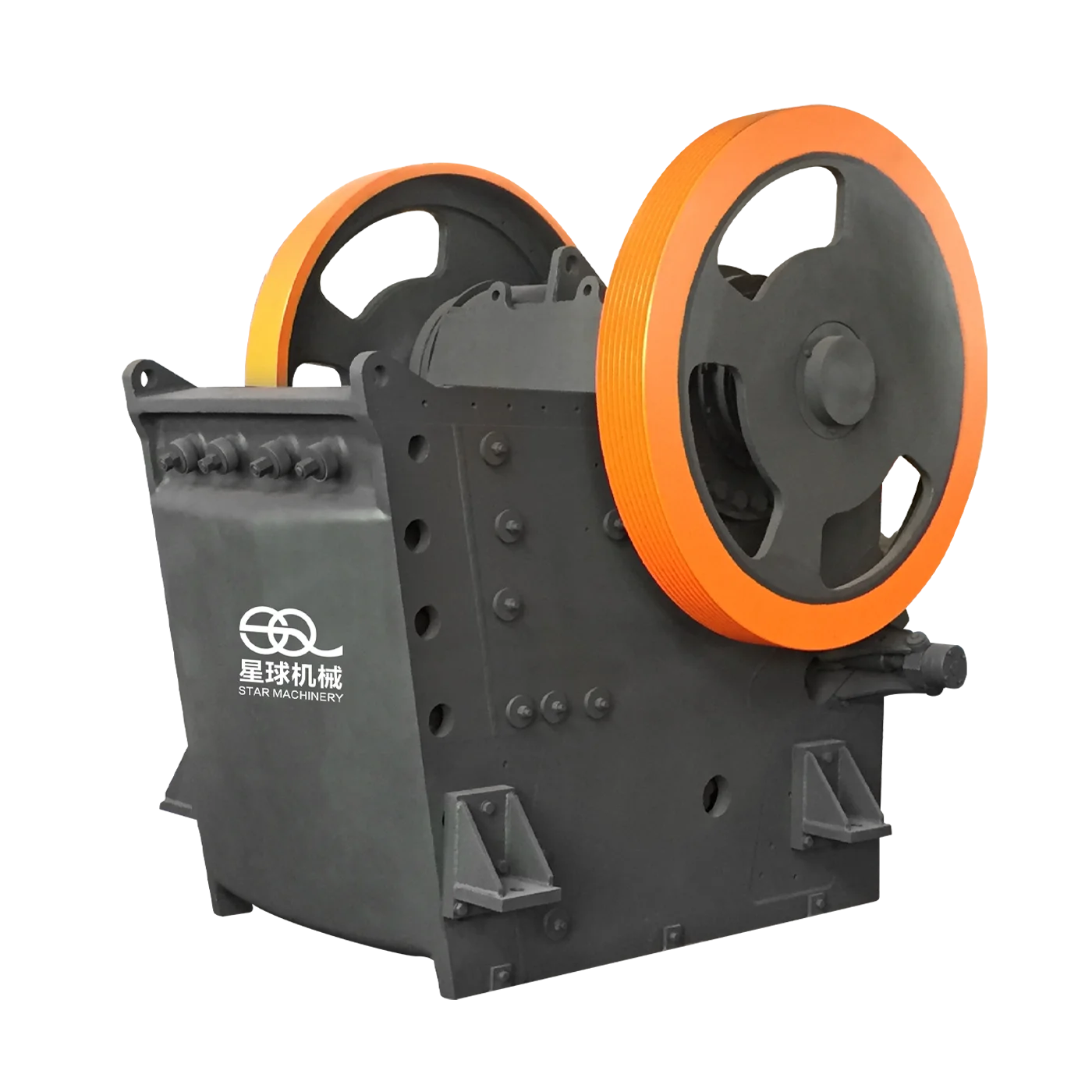
For a jaw crusher, look at the jaw plates and liners. Are they wearing out unevenly? Do you see deep cracks? Are they getting too thin? For a VSI sand maker, check the impeller. Look at the hammer surfaces, too. Hammer crushers need their hammers checked very often. Make sure they are mounted tight. Check the screen parts, springs, and conveyor bits. If they wear out, the rocks might flow wrong. The machine might also get out of line. Fix or swap these worn parts fast. Do this before they break nearby parts. Always write down the date and the wear size. Note the part’s spot and if you changed it.
Always use the oil and grease that meets the equipment specification. Check the oil levels on time. If the oil looks dirty, milky, or is leaking, find out why. Clean out the bad oil. Put in new oil using the approved steps. Bearings and drives need the exact right amount of oil. They also need the exact right grade.
Watching the machine helps you understand the oil checks. Is the noise getting louder? Is the shaking getting worse? Is the bearing box hot to the touch? Is the rock output dropping? All these mean big trouble. Compare what you see now to old notes. If things look very different, turn it off. Check that specific section carefully. Never add oil or grease to a moving machine. Only do it if a safe, approved rule says you can.
Sometimes you need to stop the plant for a long time. Before you do, clean it totally. Get all the leftover rocks out of the inside and outside of every machine. Take care of the oil based on the storage rules. Keep the machines in a dry place with good airflow. Cover bare metal parts. This keeps away dust, water, and rust. Use covers that let wet air escape.
What about when you want to start it back up? First, check all bolts, guards, belts, and screens. Look at the liners and wires. Add fresh oil or grease where it needs it. Run the machine empty first. Listen closely for bad sounds or crazy shaking. If it sounds good, add rocks. Watch the first run closely and write down any tweaks you make.
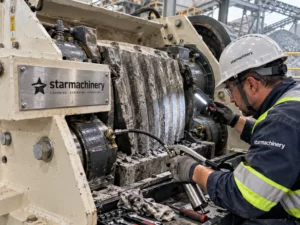
Safety is always number one. You must cut off all power before cleaning. Do the same before you tweak, check, or rebuild anything. Use a strict lockout and tagout system. This system must identify electric, hydraulic, and air power. It must also lock stored mechanical energy. OSHA’s control of hazardous energy standard is a great guide for this. You should follow their practices.
Never ever work on a machine that has power. Do not stick your hands into a moving feed, discharge, or screen area. Keep all safety guards on while the machine runs. Use safe, approved lifting tools when you move heavy liners or screens. Your oil and new parts must match the exact maker rules. Only trained workers should take apart the core parts. They must use the correct tools, too.
| Frequency | Main checks |
| Every shift | Clean surfaces and ports; check bolts, lubricant level, noise, vibration, feed, and discharge |
| Weekly | Inspect motors, reducers, insulation, belts, gears, and visible leaks |
| Monthly | Check wear parts, screen tension, springs, guards, and transmission alignment |
| Quarterly | Complete a full equipment inspection and correct potential faults before production is affected |
| Before restart | Inspect stored equipment, add fresh lubricant, and complete a no-load test |
Use this table as a starting point. Then, add extra checks for your specific crusher model. Think about your rock type, weather, and run hours. Sign a paper when you finish a check. If something is broken, assign a person to fix it and pick a target date.
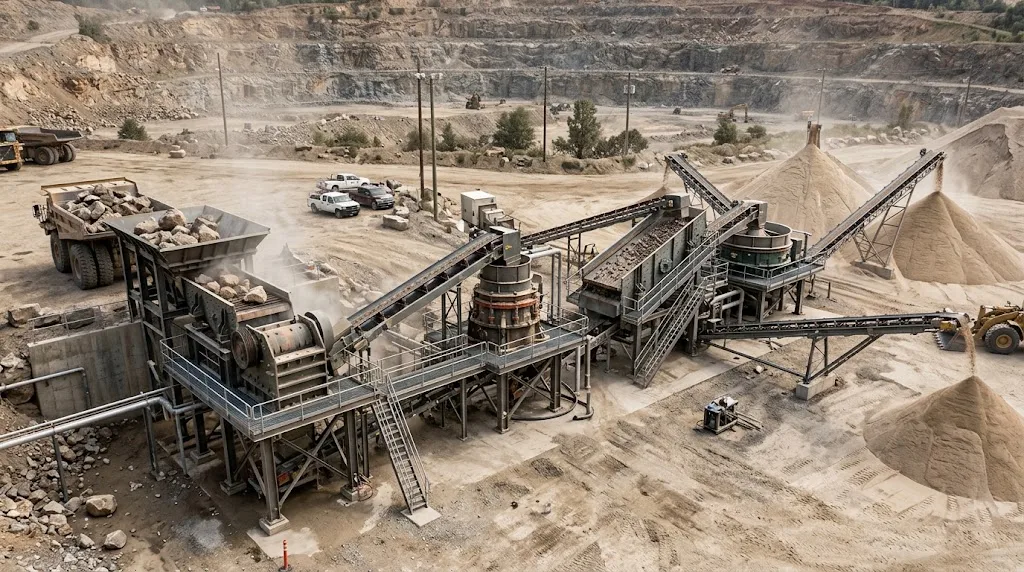
Star Machinery helps with a lot of things. They help you pick the right equipment. They design the process and set up the machines. They also test them, train your workers, and give maintenance guidance for crushing and screening projects. A normal line might have a vibrating feeder, a jaw or cone crusher, and a VSI sand maker. It might also use a circular screen, belt conveyor, sand washer, and big storage bins. The complete production line can be planned around exactly what rocks you have and what products you need.
The service and technical support team is great, too. They offer remote assistance over the phone or computer. They can arrange overseas site service. They also offer post-warranty guidance.
The company’s quality control process is very strict. It covers all production and testing activities.
Q1: How often should a stone crusher be inspected?
A: Do simple checks every shift. Check the drives and wear components every week or month. Do a massive full equipment inspection each quarter.
Q2: What should be checked first when a crusher makes abnormal noise?
A: Stop the equipment right away. Isolate the power. Then, check the fasteners, bearings, lubrication, and wear parts. Also, check the nearby guards before restarting.
Q3: Which parts of a stone crusher wear out most often?
A: Jaw liners, VSI impellers or hammers, and crusher hammers wear out super fast. Screen panels, springs, belts, and other material-contact parts usually need the closest attention.
Q4: Can a stone crusher be cleaned while it is running?
A: No. Cleaning, adjustment, and maintenance require a full shutdown and power isolation.
Q5: What should be done before restarting a crusher after long-term storage?
A: Inspect the components carefully. Add fresh lubricant as required. Check the metal for moisture or rust. Finally, complete a no-load test before feeding material.