Sep 11, 2026
)
 admin
admin Choosing a mining crusher starts with the feed and the job it must perform. Record the ore, incoming size, required throughput, and product for the next stage. A suitable crusher fits those conditions within the complete circuit.
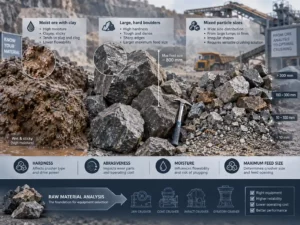
A suitable mining crusher matches the material, required reduction, and process position. A primary machine may receive the largest feed, while a secondary or tertiary unit handles a narrower product range. Hardness, abrasiveness, moisture, and configuration change machine behaviour.
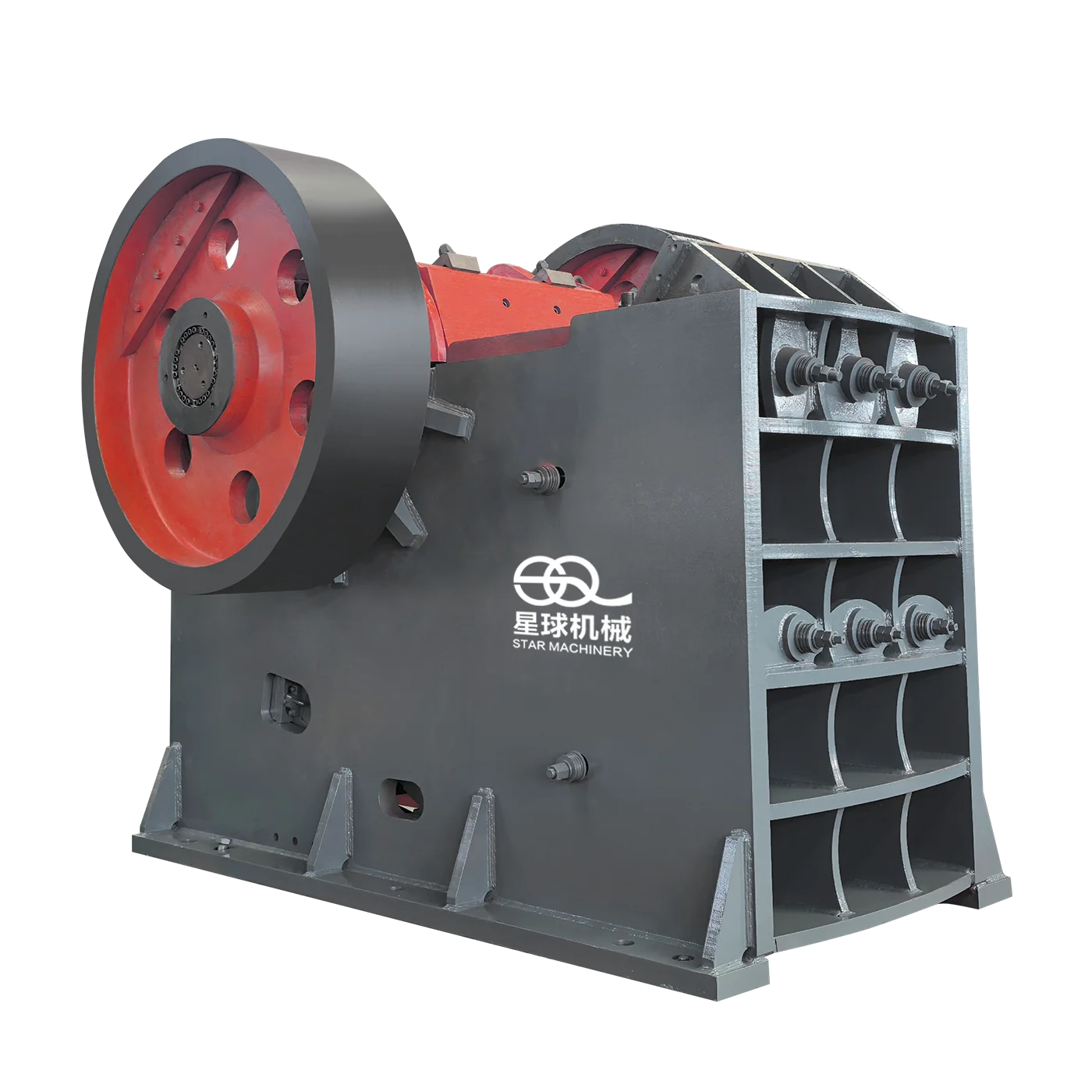
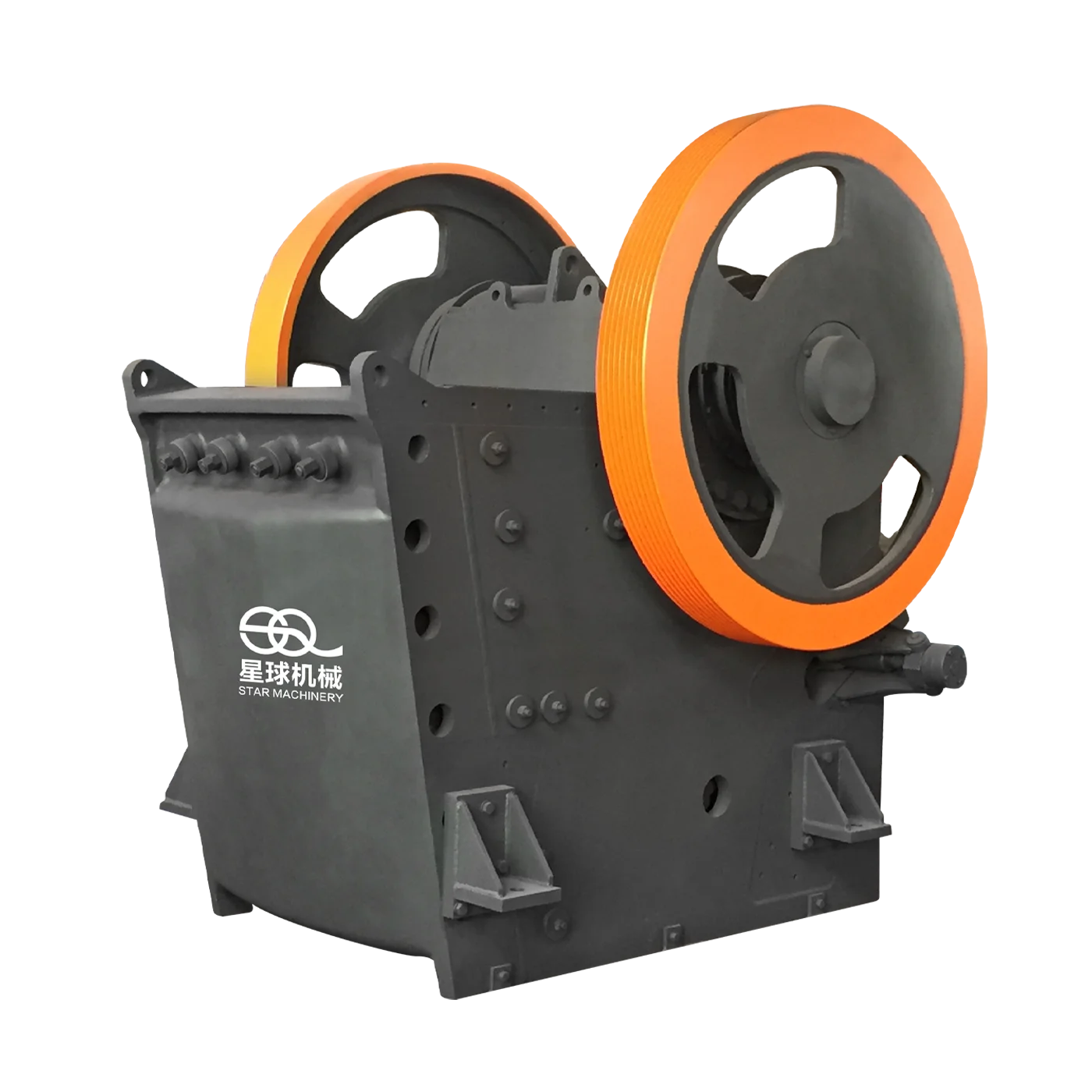
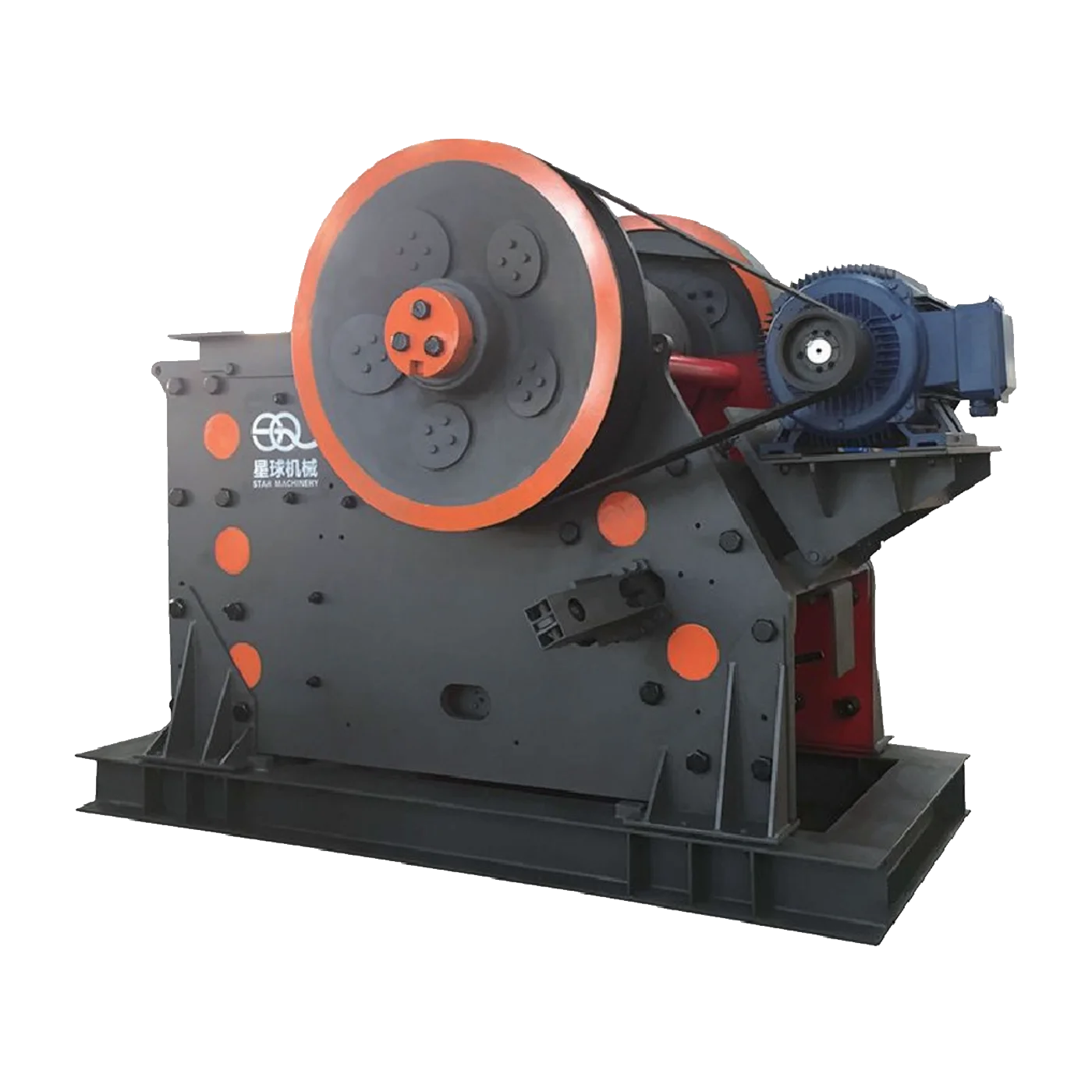
A catalogue photo can identify a machine family. It cannot confirm the model for an ore body.
The feed profile sets the boundaries for equipment decisions. Record conditions that can change fracture, flow, and wear before comparing models.
Hardness describes the force needed for fracture. Abrasiveness describes wear on contacting surfaces. Both affect the mechanism, chamber design, and wear plan.
A jaw crusher uses compression between fixed and movable jaws and is commonly considered for primary reduction of hard or abrasive feed. Cone crushers also use compression and may follow the primary stage. Exact model selection requires the material description and supplier review.
Moisture and clay change flow through the feeder, crusher, and screen. Sticky feed can pack a chamber or restrict a grate. A dry sample can miss wetter conditions.
Send a realistic moisture range and describe clay or fines. The supplier can review feed preparation, screening, and configuration.
The largest lump controls the feed-opening review and primary duty. Record maximum size and state whether metal, tools, or other uncrushable objects can enter.
Write capacity as throughput, such as tonnes per hour, with operating hours. State target fractions, maximum product size, and any shape requirement.
| Selection factor | Information to define | Why it matters |
| Feed | Ore type, source, maximum lump size | Sets the feed opening and primary-duty review |
| Material behaviour | Hardness, abrasiveness, moisture, clay, stickiness | Guides crushing action, flow review, and wear planning |
| Throughput | Required tonnes per hour and operating hours | Defines circuit duty and equipment sizing basis |
| Product | Target fractions, maximum size, shape requirement | Sets discharge, screening, and recirculation needs |
| Process position | Primary, secondary, or tertiary duty; open or closed circuit | Connects the crusher to the machines before and after it |
Reduction ratio is useful when feed and product sizes are stated together. Screening and recirculation influence final fractions.
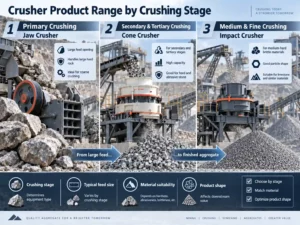
Once the feed and product brief are clear, place the crusher in the process. The right family depends on the reduction stage and the work required from the machines around it.
The jaw crusher compresses feed between two jaw plates. Its role is often the first reduction of large rock or ore. Review the maximum feed size, expected discharge, jaw-plate access, and the secondary machine that follows.
Jaw crushers suit many hard-rock and abrasive-feed discussions, but the word “suit” is conditional. Capacity, power, and acceptable feed limits belong to the selected model and its operating conditions.
Gyratory crushers are considered for large-scale layouts where primary duty and continuous flow shape the equipment decision. Review foundation, feed arrangement, maintenance access, and the discharge connection to conveying and downstream reduction.
Site layout and service access can change the practical choice.
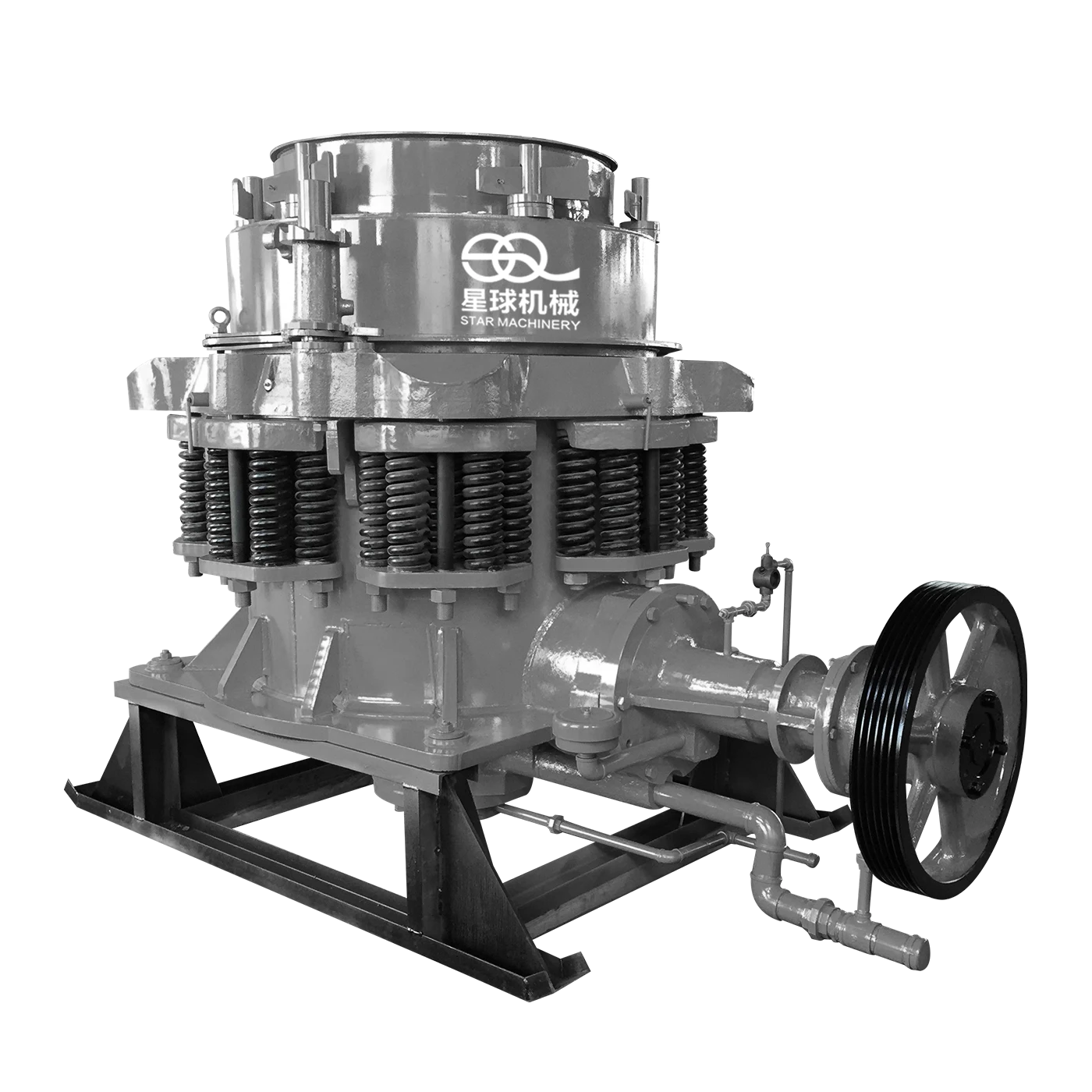
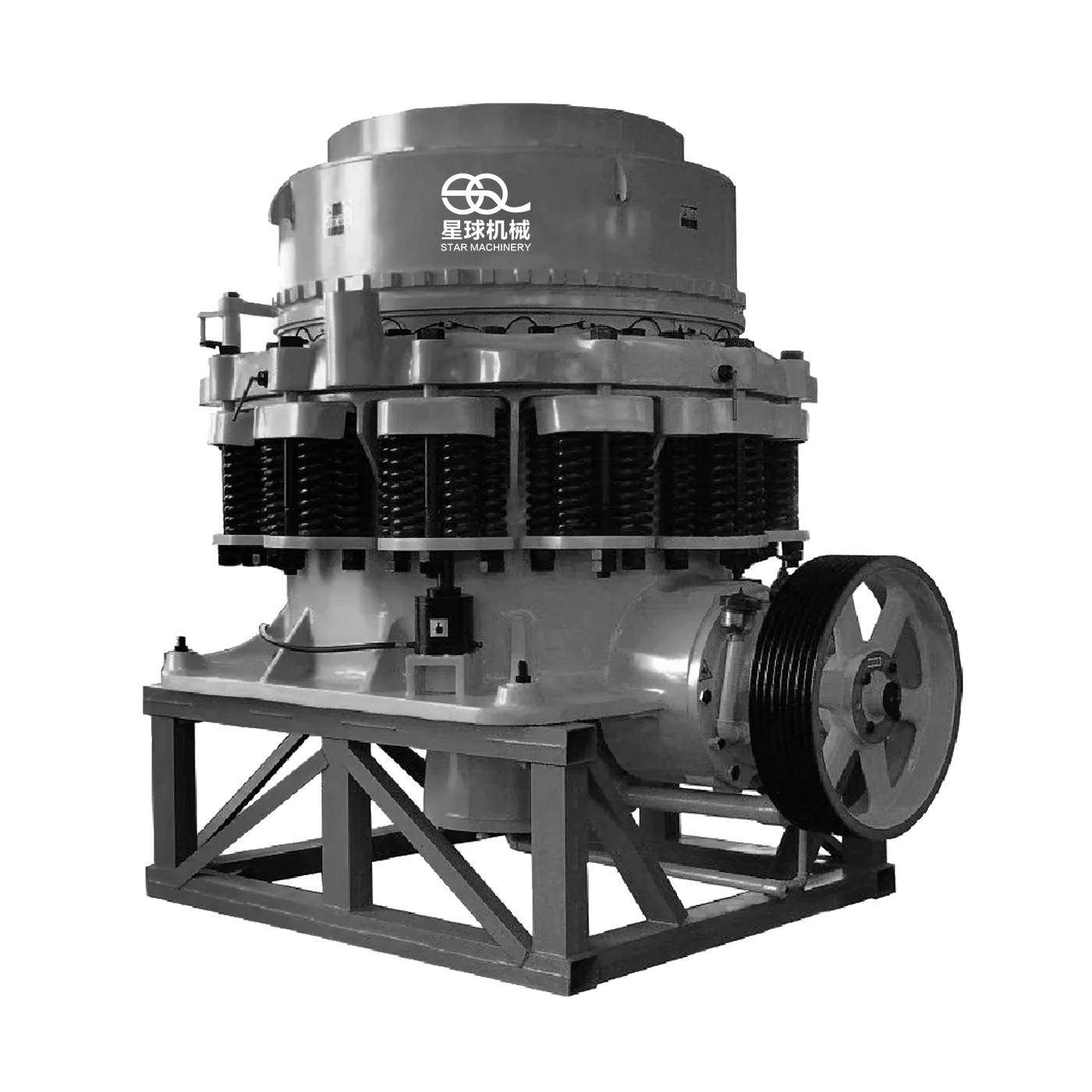
Cone crushers use a mantle and bowl liner to apply compression as material moves through the crushing cavity. They are commonly reviewed for secondary or tertiary reduction of medium-hard to hard feed. Closed-side setting, liner selection, feed distribution, and the target product all belong in the technical conversation.
Assess the cone with its screen and recirculation loop; feed grading can change the circuit result.
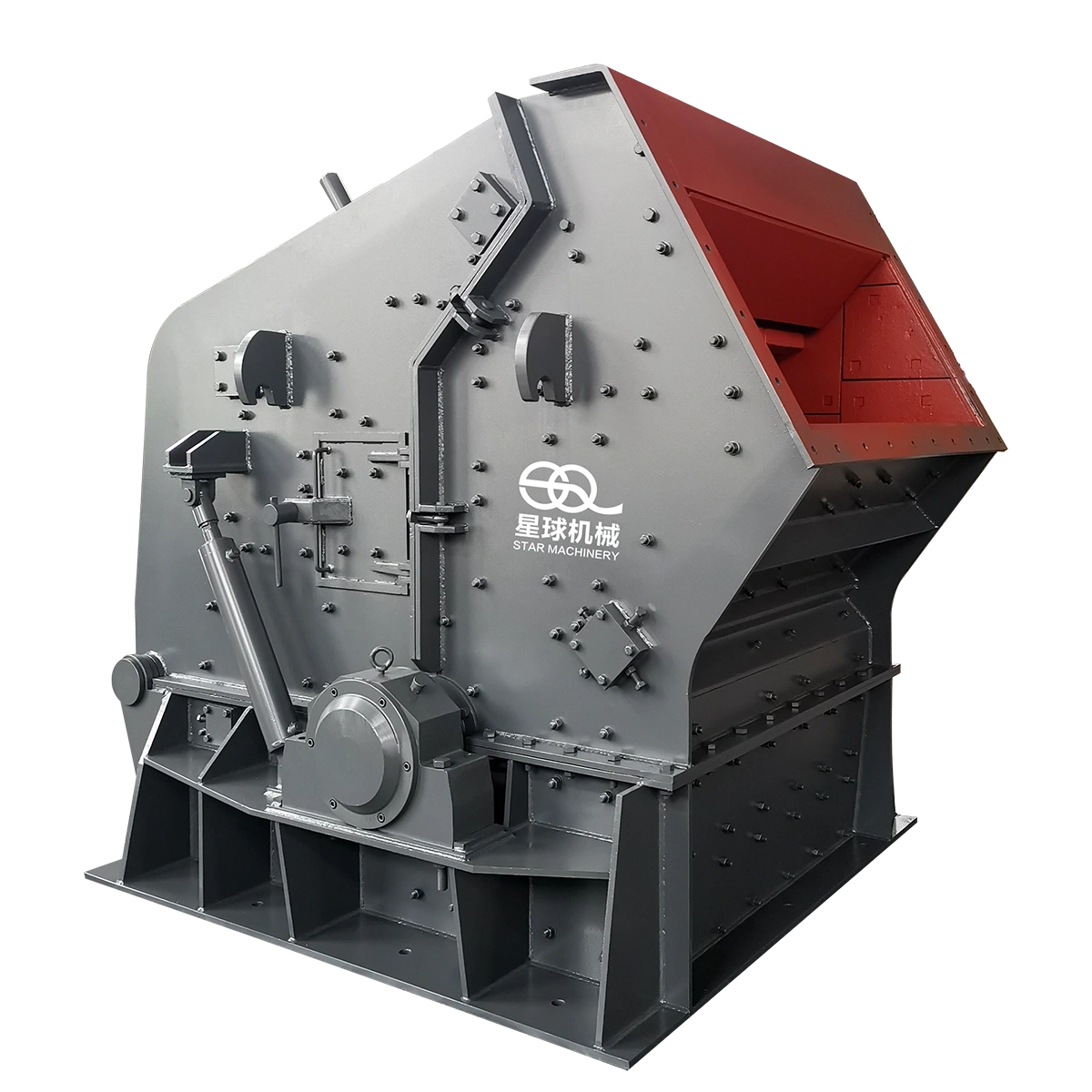
Impact and hammer machines use a moving rotor and repeated impact. They can fit brittle feed or applications where impact breakage and product shape are important. Abrasiveness, moisture, clay, and tramp metal need specific review because they influence wear and flow.
Ask for the proposed rotor, hammer or blow-bar arrangement, grate or impact-surface details, and feed conditions used for any test result.
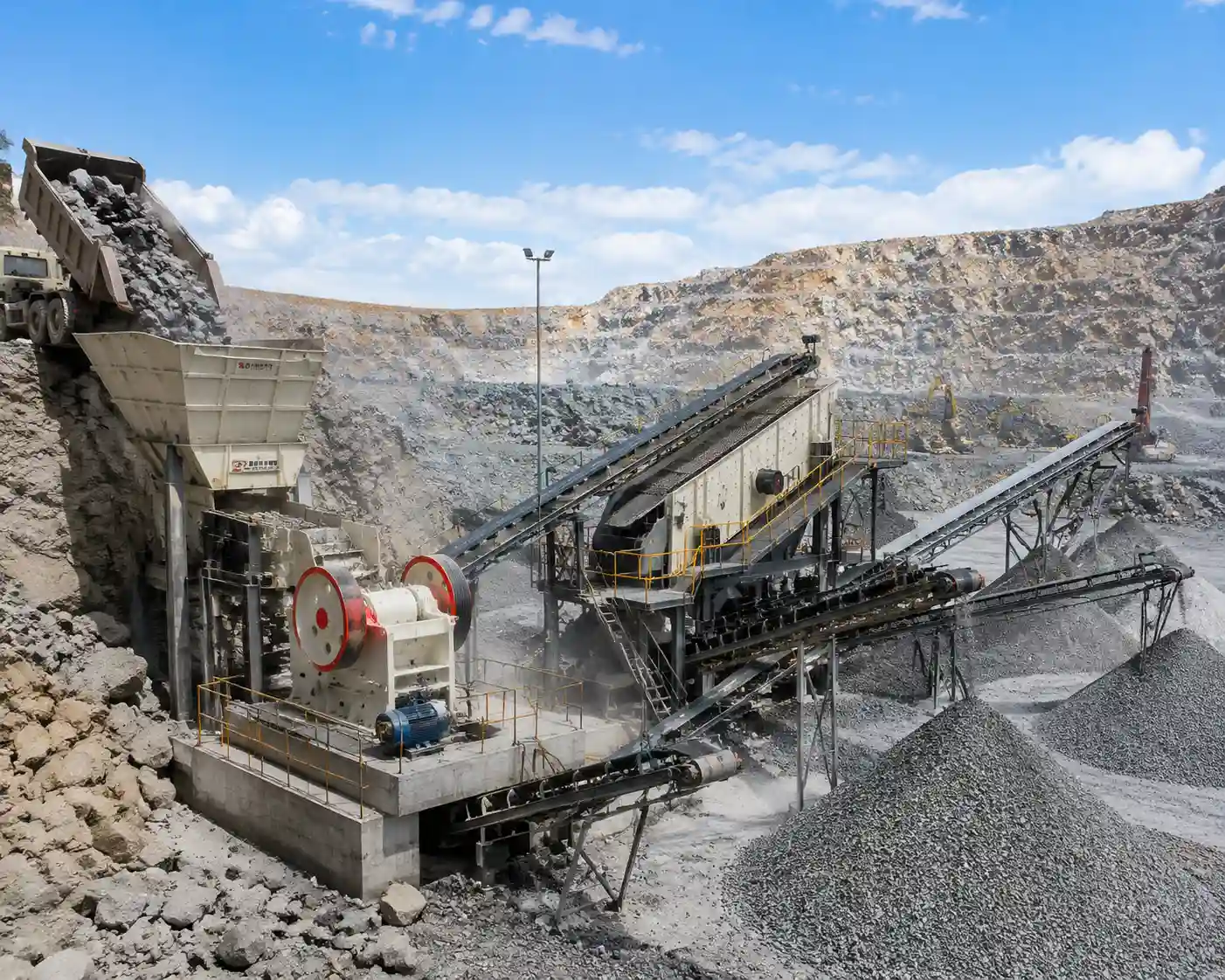
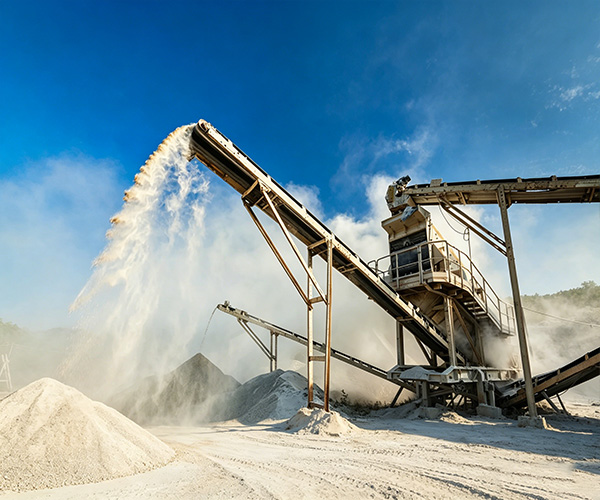
A mining crusher rarely works alone. Feeders regulate flow, screens separate on-size material, conveyors move product, and closed circuits return oversize. The discharge must match the next machine and target fractions.
Review the full crushing and screening equipment arrangement before approving a machine. Ask where screening and recirculation occur and which transfer points need inspection.
Check power, utilities, installation space, wear-part access, dust and noise controls, and the route for removing heavy components. Fixed, portable, and mobile layouts create different access questions.
Maintenance planning should name the parts: jaw plates and chamber surfaces; cone liners and adjustment or protection components; hammers or blow bars, breaker surfaces, grates, and screens.
Compare purchase scope, power, wear parts, downtime, spares, installation, commissioning, and technical support. Lifecycle comparisons need the same duty assumptions.
| Information to send | Selection impact | Supplier response to request |
| Ore name, source, and feed description | Establishes material variability | Recommended crusher family and assumptions |
| Hardness, abrasiveness, moisture, clay, and fines | Guides force, flow, and wear review | Test needs, wear-part list, and operating limits |
| Maximum feed size and required throughput | Defines chamber and circuit duty | Model, feed arrangement, and rated basis |
| Operating hours and target product fractions | Shapes duty and screening requirements | Flow sheet, discharge setting, and screen duty |
| Site layout, utilities, mobility, and delivery market | Affects installation and service planning | Footprint, power, documents, and delivery scope |
Send ranges when feed changes, plus operating hours and target fractions. A short brief lets the supplier separate a recommendation from a quotation needing confirmation.
Ask which stages are handled in-house, how castings are treated, what machining and assembly checks are performed, and which physical or chemical tests are available. Request inspection records and the document list. Star Machinery describes its quality testing and production control.
Confirm installation and commissioning documents, operator guidance, spare-parts routes, and delivery-market support. Star Machinery lists overseas technical service; agree the project response from application data.
Jinhua Star Machinery & Steel Casting Co., Ltd. was established in 1993. Its production covers mining equipment, crushing and screening equipment, and wear-resistant steel castings. The stated production scope includes casting, heat treatment, machining, assembly, and physical and chemical testing. The company supplies customers in more than 100 countries and offers overseas technical/service support.
The next step is a matched review of ore, feed size, throughput, product fractions, site conditions, and maintenance access. Send those details with a crusher selection and quotation request so the circuit can be checked against the duty.
Q1: What is the most important factor when choosing a mining crusher?
A: The feed description is the starting point. Record the ore, hardness, abrasiveness, moisture, clay, maximum lump size, required throughput, target product, and crushing stage so the machine can be matched to its duty.
Q2: Which crusher is suitable for hard and abrasive ore?
A: Jaw and cone crushers are common candidates for hard or abrasive feed because they use compression. The suitable choice depends on whether the machine handles primary, secondary, or tertiary duty, along with feed size, capacity, product targets, and model conditions.
Q3: How does feed size affect mining-crusher selection?
A: The largest lump sets the feed-opening review and influences primary-crusher duty. Send the maximum feed size and ask the supplier to state the model’s feed basis and discharge arrangement.
Q4: Should a crusher be selected separately from the screening circuit?
A: No. The crusher, feeder, screen, conveyor, and recirculation loop determine how material reaches the target fractions. Review the complete circuit so the discharge setting, screen duty, and downstream machine work together.
Q5: What information should a buyer send for a mining-crusher quotation?
A: Send the ore name and source, hardness or abrasiveness, moisture and clay range, maximum feed size, throughput, operating hours, target fractions, process stage, site utilities, mobility, delivery market, and service requirements. The supplier can return a model recommendation, assumptions, and items requiring confirmation.