Sep 18, 2026
)
 admin
admin An ore crusher reduces run-of-mine rock to a controlled size for screening, grinding, and mineral recovery. It breaks the rock inside a reinforced chamber.
The machine is only one part of the circuit. Feeders, screens, conveyors, dust control, and beneficiation equipment decide how that breakage is used.
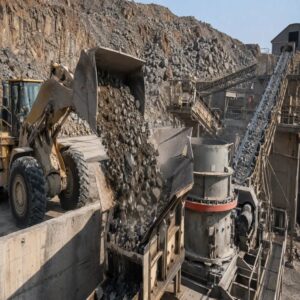
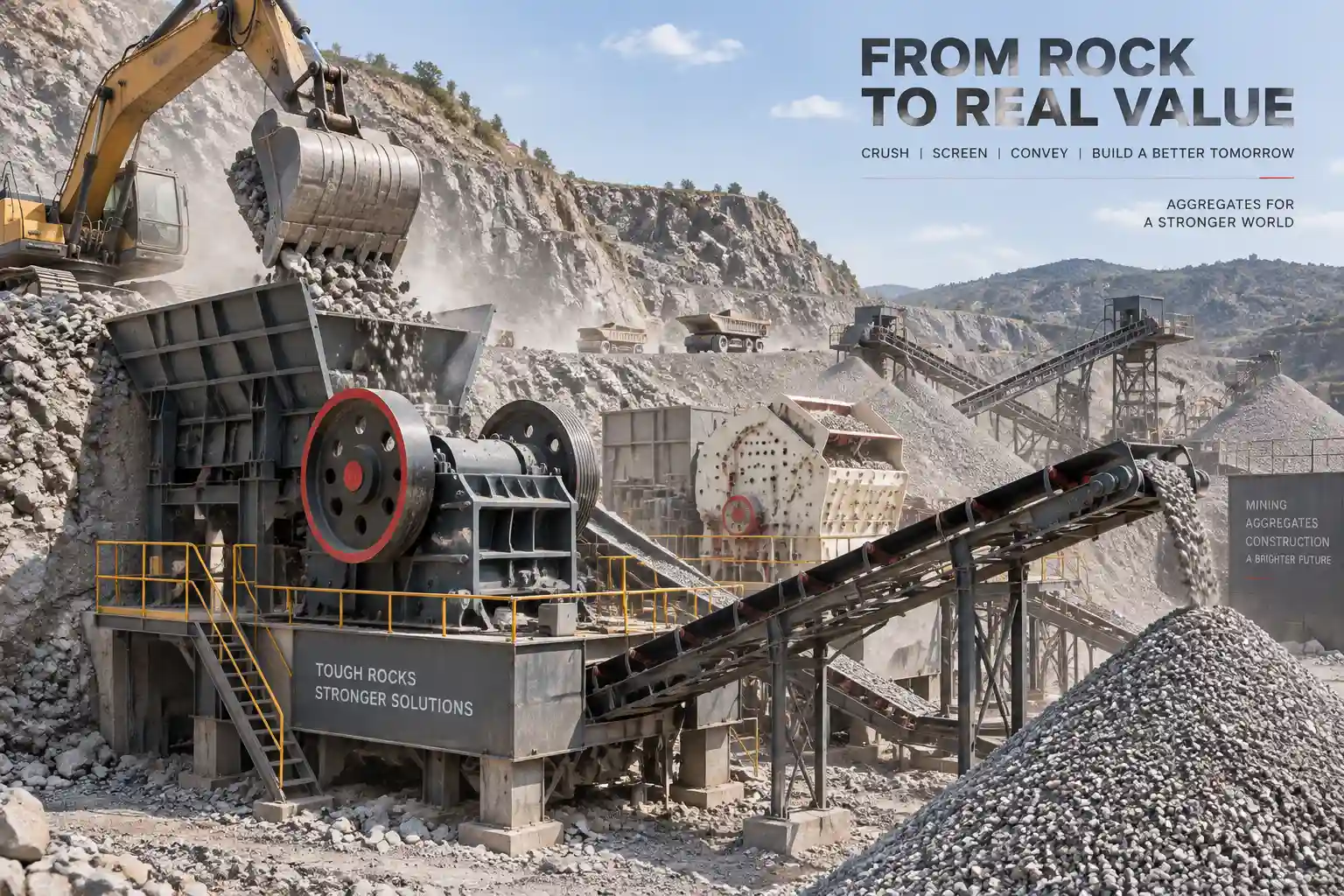
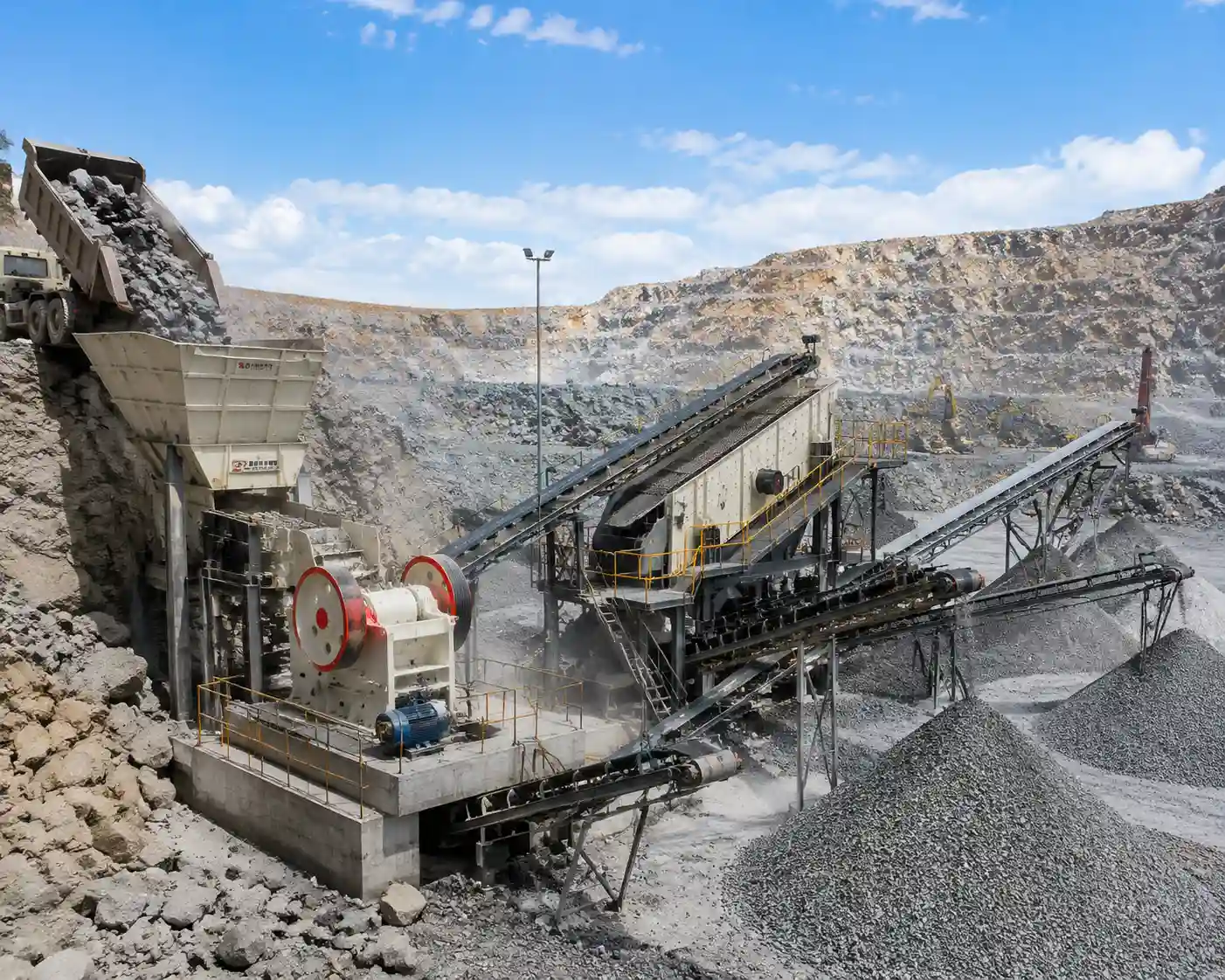
An ore crusher is heavy-duty size-reduction equipment for mineral-bearing rock. Feed enters through a defined opening. Wear-resistant surfaces apply force, and the chamber directs broken material toward the discharge.
Reduction ratio compares feed size with product size.
The next process sets the product target. Grinding needs stable feed. Screening may need several fractions. Magnetic separation, flotation, or leaching can add further limits.
Crushing prepares coarse or medium fragments. Grinding mills create a finer product when mineral liberation requires it.
The handoff matters.
Feed enters the chamber. A moving surface applies force against a fixed or opposing surface, fractures spread through the rock, and gravity carries the fragments downward. Material leaves once it passes the discharge gap.
The plant adds feed and size control. That is how the machine repeats the action consistently.
A feeder regulates blasted ore. A grizzly or scalping screen can remove natural fines before the chamber. More chamber volume remains for larger pieces.
Clay-rich feed needs watching. It can bridge at the opening.
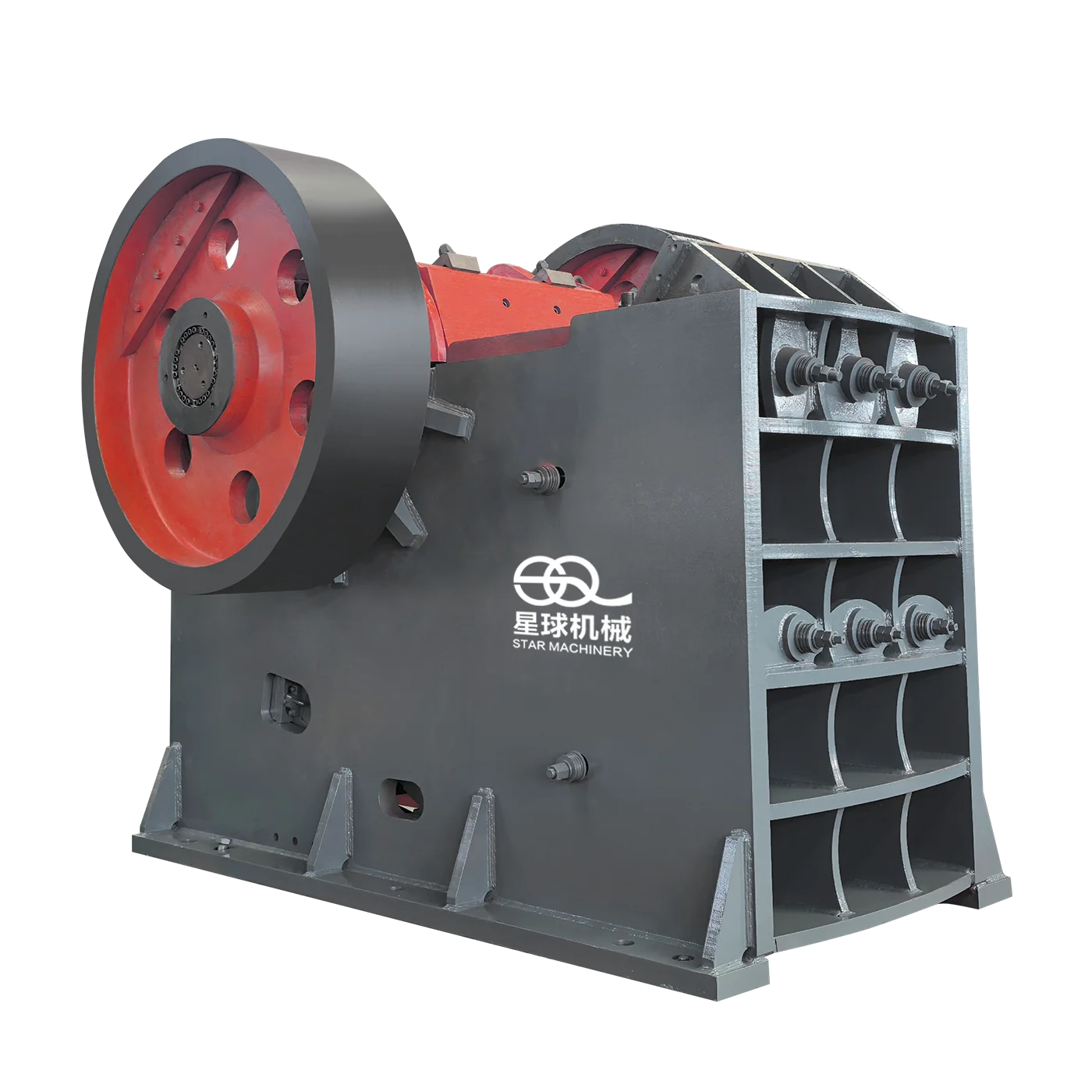
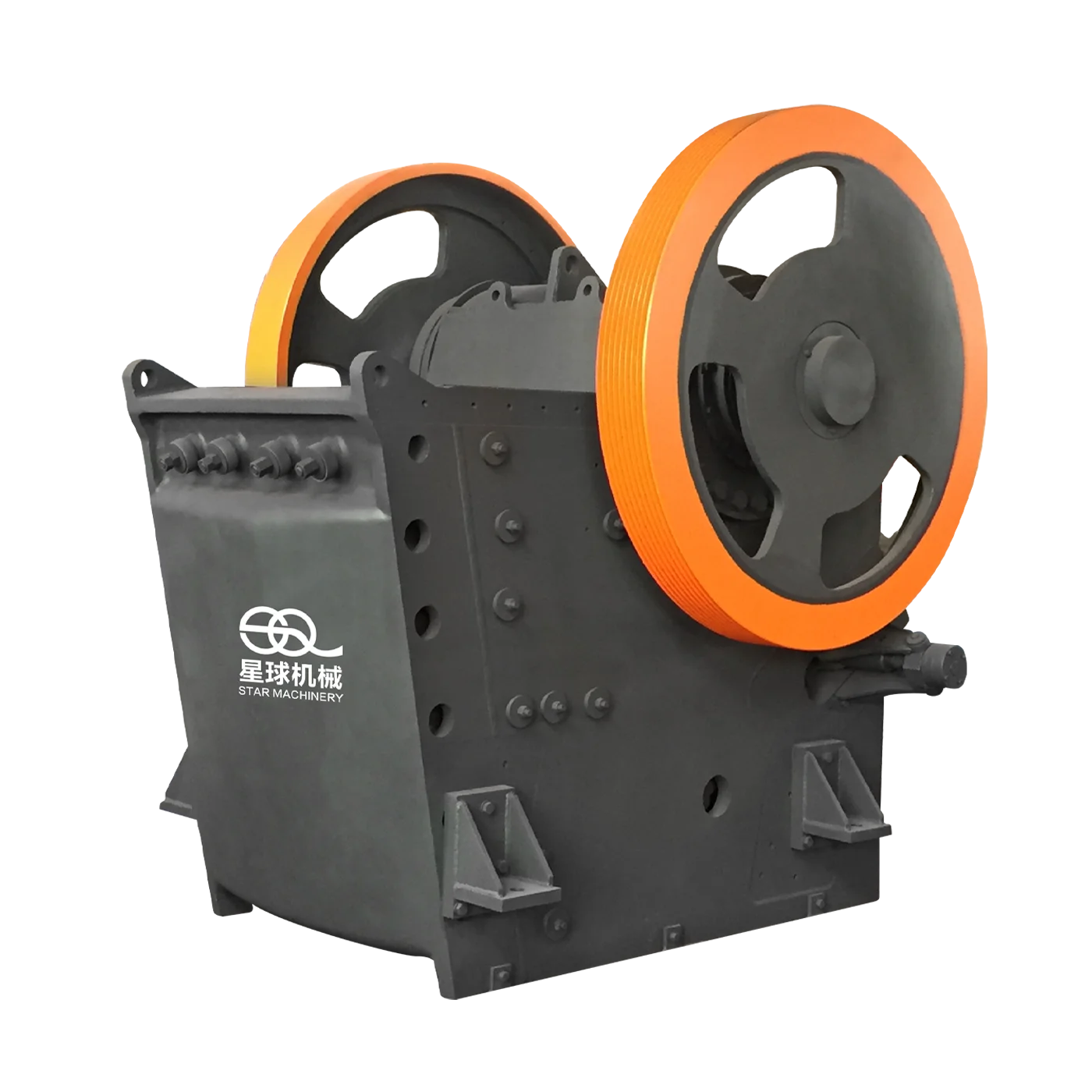
Jaw or gyratory crushers accept the largest lumps and create a coarse product for conveyors, screens, and secondary equipment. Maximum rock size must fit the opening.
Then look at the liner profile and stroke. They influence capacity and the product curve.
The primary product moves to cone, impact, roll, or other crushers. Secondary duty takes the material toward the target. Tertiary duty can produce finer grinding feed or a specified fraction. Setting, rotor speed, cavity shape, and liner condition influence the result.
Another stage needs a reason. Feed and product data show whether it improves size control or spreads the reduction load.
Screens separate particles by size. On-size material moves forward. Oversize returns for another pass.
That creates a closed circuit. Screen openings and efficiency affect the recirculating load, so screen capacity belongs in the same calculation as crusher capacity.
Crushed ore may be stockpiled or sent to grinding, magnetic separation, flotation, leaching, or another recovery step. The useful discharge size gives the next stage stable feed and the required mineral liberation.
Excess fines consume energy and complicate handling. Coarse locked particles can limit recovery.
Compression is the main force in jaw, gyratory, and cone crushers. The machine nips ore between surfaces until stress exceeds the rock’s strength.
Chamber geometry decides where that pressure develops.
Impact crushers use hammers, blow bars, or shoes moving at speed. The strike creates fractures along weaker planes in the rock. Roll and hammer equipment can add shear or attrition for selected friable feed.
| Crusher type | Main force | Typical stage | Ore or feed fit | Selection check |
| Jaw | Compression | Primary | Large, hard feed | Opening, jaw plates, and access |
| Gyratory | Compression | Primary | High-throughput mine feed | Foundation, lifting, and service space |
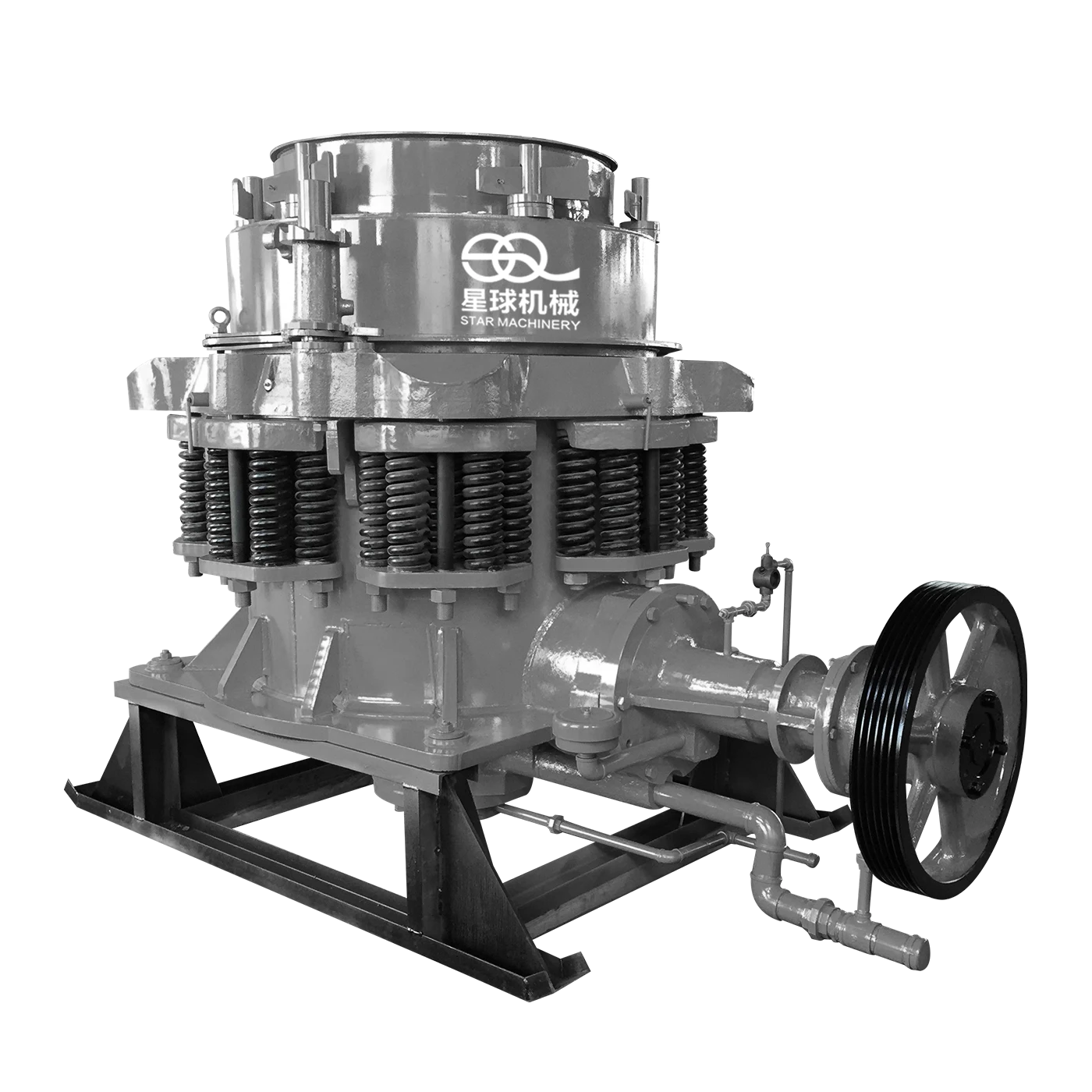
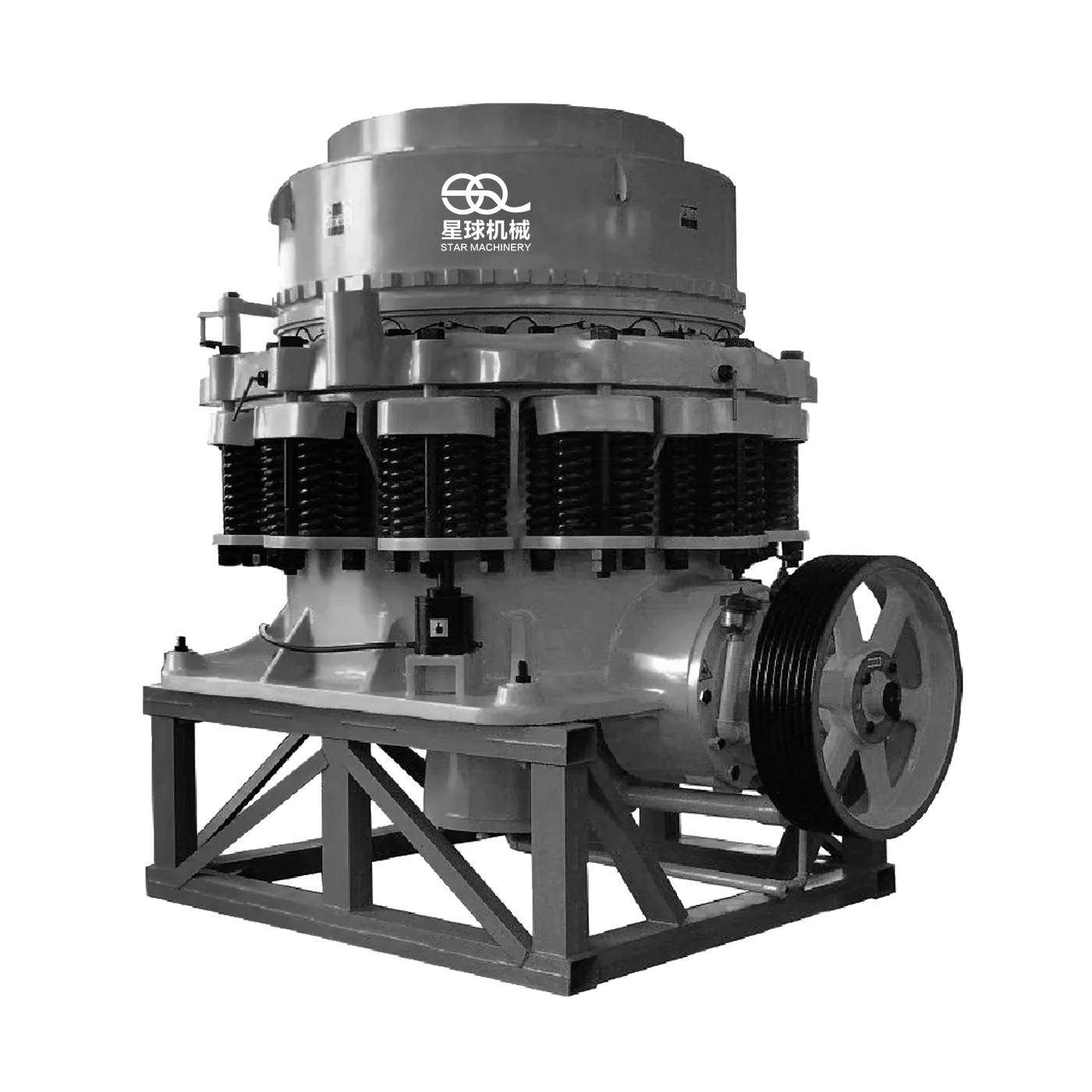
| Cone | Compression | Secondary or tertiary | Hard, abrasive ore | Cavity, setting, and liner wear |
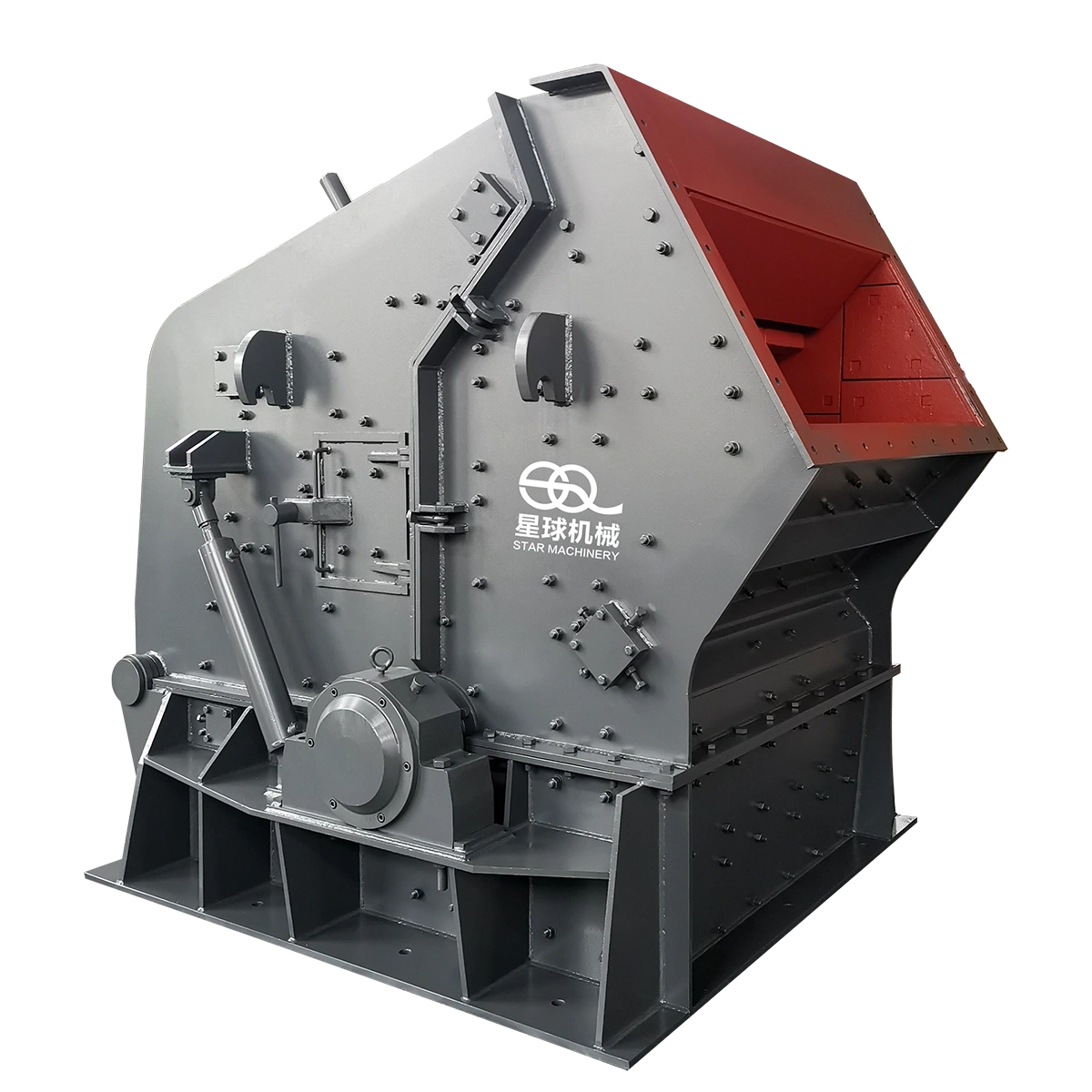
| Impact | High-speed impact | Secondary or tertiary | Feed suited to impact breakage | Abrasiveness and product shape |
| Roll or hammer | Compression or impact | Application-specific | Friable or controlled-size feed | Moisture, tramp metal, and wear |
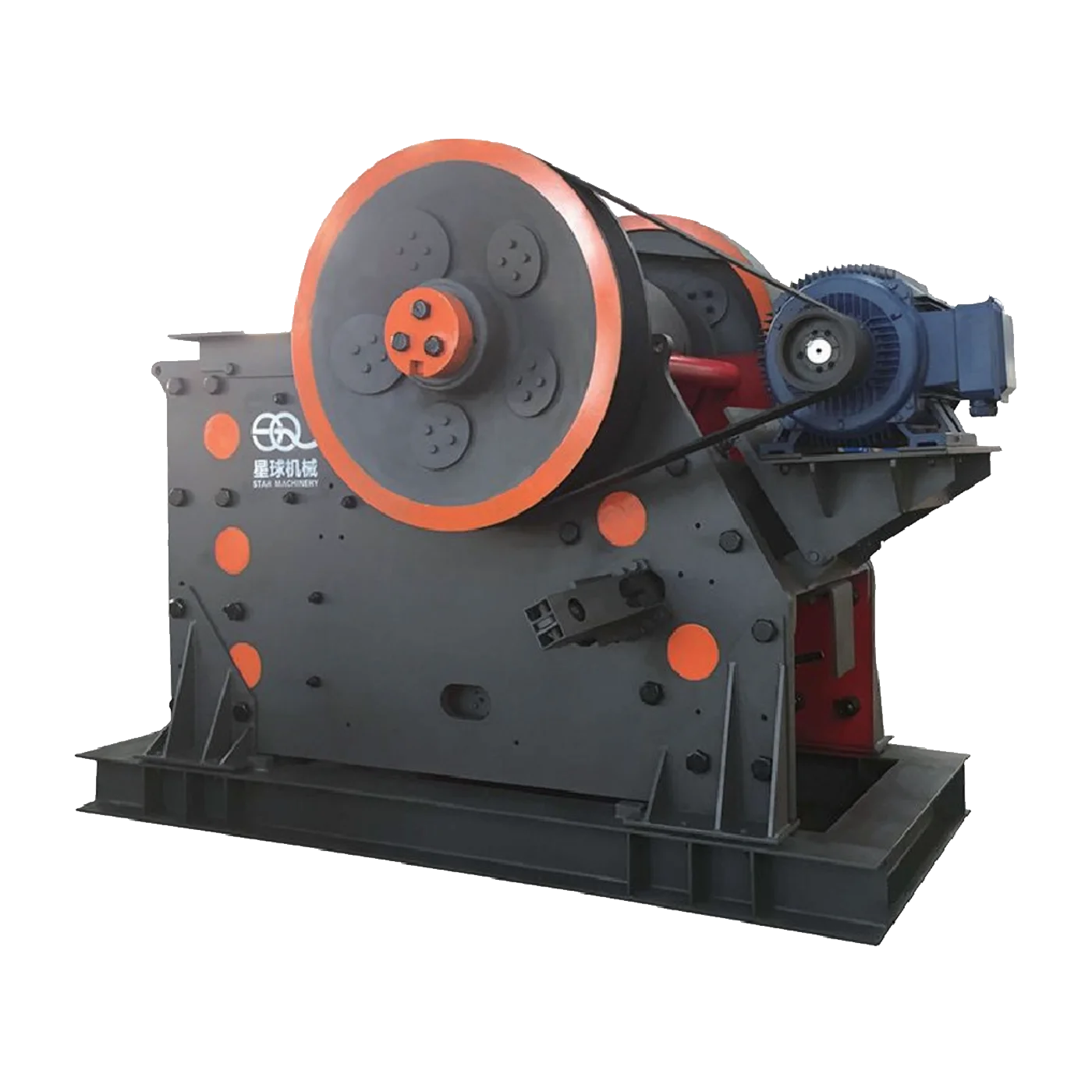
Jaw crushers suit many hard-rock primary duties and accept large feed. Gyratory crushers serve high-throughput primary applications.
Foundation and maintenance access belong in the site plan.
Cone crushers commonly follow the primary stage and compress hard or abrasive ore. Impact equipment supports reduction or shaping where feed properties suit the wear pattern.
Roll and hammer machines cover specific duties.
Hardness influences the force and energy needed to create a fracture. Abrasiveness governs wear on jaw plates, liners, concaves, and blow bars.
Record them separately. A material can be difficult to break, highly abrasive, or both.
Moisture, clay, and natural fines change flow. Wet feed can bridge at the opening or blind a screen. Maximum lump size and feed gradation affect chamber loading.
Tramp metal may call for detection, removal, or a protection system before the crusher.
When these conditions vary across the ore body, the selected chamber and feed arrangement need to be checked against the range of material expected during operation.
Mineral liberation gives the size target its meaning. The circuit creates breakage for the next recovery step while controlling fines. The ore and downstream process set that balance.
Start with measurable requirements: ore type, maximum feed size, tonnes per hour, operating hours, target fractions, and maximum product size. Add hardness and abrasiveness. Then record moisture, clay, fines, and possible tramp metal.
That is the actual duty.
The site narrows the arrangement. Layout and power set early limits. Foundation, conveyors, screens, dust controls, climate, and maintenance clearance shape installation.
A fixed plant and a mobile arrangement can process the same ore, yet the available foundation, transport route, power source, and service access create different equipment constraints.
Operating cost needs the same project basis. Wear-part life, replacement time, spares, downtime, commissioning, training, and service response contribute to cost per tonne.
| Information to provide | Why it matters | Evidence to request |
| Ore type and material properties | Sets crushing action and wear risk | Material basis, test results, or sample review |
| Maximum feed and gradation | Sizes the opening and feeder | Recommended feed envelope and layout |
| Capacity and target fractions | Defines stages and screen load | Flow sheet and stated capacity basis |
| Moisture, clay, and tramp metal | Identifies blockage and protection needs | Feed preparation and protection plan |
| Site, power, and destination | Shapes installation and support | Drawings, packing list, and service scope |
A proposal should connect the machine to the stated ore, feed size, capacity, and product. Ask for the flow sheet first. Then review drawings, test conditions, wear-part materials, spares, and inspection records.
Production records may cover casting, heat treatment, machining, assembly, and physical or chemical testing. The published quality control and testing information can be checked against the project inspection plan.
Installation, commissioning, training, spare-part identification, warranty scope, and post-warranty assistance also need named responsibilities. The available overseas installation and technical support details provide a basis for discussing those responsibilities.
Established in 1993, Jinhua Star Machinery & Steel Casting Co., Ltd. manufactures mining equipment and steel castings. Production includes casting, heat treatment, machining, assembly, and physical and chemical testing. The company serves customers in more than 100 countries and provides overseas technical support.
The available ore crushing and screening equipment can be reviewed against the required circuit and wear-part scope.
For model selection, send the ore description, feed size, capacity, target fractions, site conditions, and destination market through the ore-crusher quotation request.
An ore crusher reduces mineral-bearing rock to a size the next processing stage can accept. It uses compression or impact to prepare feed for screening, grinding, or beneficiation.
A feeder controls flow into the chamber. Primary crushing makes a coarse product, later crushers reduce it further, and screens pass on-size material while returning oversize for another pass.
Jaw crushers suit many hard-rock primary duties. Gyratory crushers serve large operations that need high continuous throughput. Feed size, capacity, site layout, foundation, and maintenance access determine the selection.
Crushing makes coarse or medium fragments. Grinding uses a mill to produce much finer particles when mineral liberation requires it. The crusher discharge should match the grinding circuit’s feed requirement.
Send the ore type, hardness, abrasiveness, moisture, clay, maximum feed size, tonnes per hour, operating hours, target fractions, site utilities, layout preference, destination market, and service requirements. A representative description or sample is needed when these data are incomplete.