- Home
- Products
- Wear Castings
- Jaw Crusher Accessories
- Cheek Plate
-
Product Details
-
Product Application Areas
-
Product Advantages:
It adopts high wear-resistant alloy material, which is impact-resistant, not easy to deform, accurately adaptable in size, convenient installation, wear-resistant and durable, extending the replacement cycle and reducing operation and maintenance costs.
Use of the product:
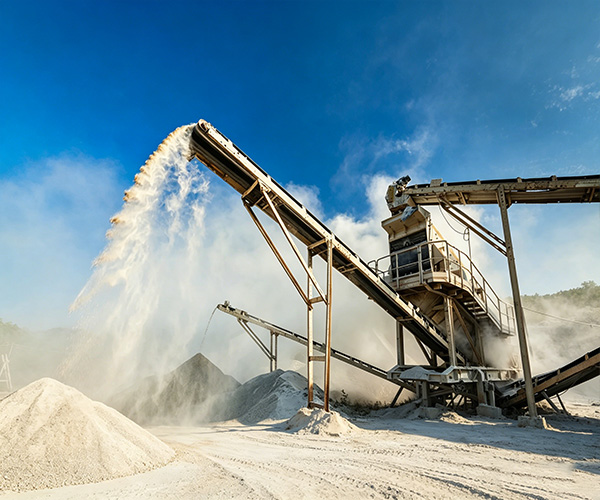
The supporting jaw crusher is used, suitable for mines, construction, water conservancy and other fields, and is used for all kinds of medium-hard and hard material crushing scenarios to ensure the stable operation of the equipment.
Application scenario:
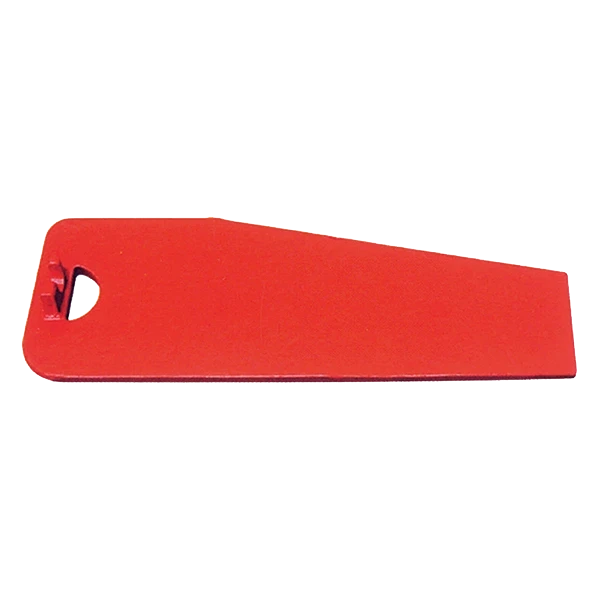
Cheek Plate is an important wear-resistant protective part in the jaw crusher. It is mainly installed on the inside of the rack to protect the crusher body from material impact and wear. It is one of the key wear parts to ensure the long-term stable operation of the equipment.
In practical application, the side guard does not directly participate in the crushing, but protects the side wall of the frame from wear by bearing the sliding and impact of the material, thus prolonging the service life of the whole machine. In the sand and stone aggregate production line, it is usually used with the jaw plate and is used in the high-impact working environment of the coarse crushing process.
It is widely used in mining, sand and stone production lines, cement building materials and metallurgical industries. It is especially suitable for the crushing scenarios of granite, basalt, iron ore and other high-hardness materials. It is an indispensable protective wear-resistant accessory in jaw crushers.
FAQ:
Q:Which jaw crusher models are equipped with Cheek Plate?
A:The whole series is suitable for all specifications of PE, PEX, EC and JC jaw crushers. It is divided into upper side guards and lower side guards. It is used in pairs on the left and right, and can be packaged and supplied with a complete set of Jaw Plate.
Q:What factors will accelerate Cheek Plate wear and damage?
A:1. The higher the hardness of the raw stone, the sharper the edges of the gravel, and the faster the lateral flushing loss; 2. The feed particle size is large, and the large pieces of stone frequently hit the lining plates on both sides; 3. The jaw plate is seriously worn, the gap of the crushing cavity becomes larger, and a large number of fine materials continue to be washed from both sides; 4. The installation of the lining plate is loose, and the material enters the lining plate and the gap between the frame to aggravate the friction. .
Q:What are the advantages of the original Cheek Plate compared with ordinary castings?
A:Integrated precision casting and moulding, after complete water-toughness heat treatment to eliminate casting stress, no sand holes, pores, cracks; the size and installation hole position are accurate, and the fit of the frame without gaps; the high-manganese material is a distribution ratio standard, which is resistant to flushing and impact resistance, not easy to local rapid grinding, and the overall service life is better than that of coarse castings on the market.
Q:Does the whole jaw break Cheek Plate always have it in stock and can be supplied in bulk for long-term foreign trade?
A:PE/PEX/EC/JC models of upper and lower side guards Mn13Cr2, Mn18Cr2 materials are in stock all year round. It has its own cast steel production line for stable batch supply throughout the year, supporting overseas mines, sand and stone factories for long-term fixed-point mining, and the annual stocking of agents, which can be packaged and shipped with a complete set of jaw plate.
Q:Does it support non-standard and old imported model Cheek Plate customisation?
A:Support drawing and sample reproduction customisation of thickened wear-resistant, lengthened and old modified models for special edge guards. The installation hole position and external dimensions strictly match the equipment, and can be used as a complete set of non-standard jaw plates.
Q:Under what circumstances must the Cheek Plate be replaced?
A:1. The wear thickness of the lining plate exceeds 1/3, and there are perforation and leakage; 2. The lining plate is cracked and deformed, and cannot fit the rack; 3. A large number of materials continue to leak on both sides, which wash and wears out the side plate of the rack; 4. The installation hole is worn and expands, and the fixing bolts of the lining plate are frequently loosened.
Products
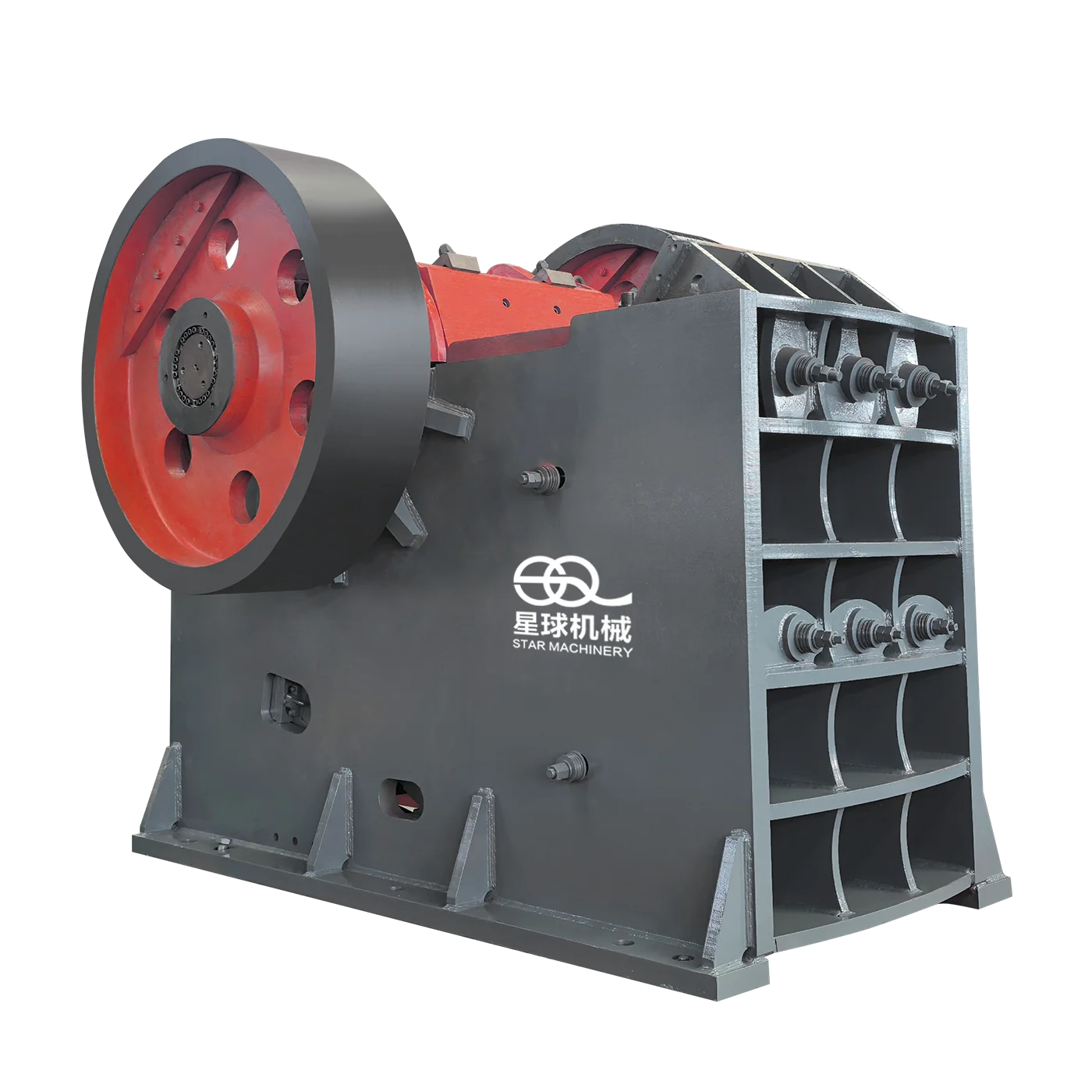
PE/PEX Jaw Crusher
It is a kind of crushing equipment with simple structure and stable performance. With its efficient crushing ability, it has become one of the core equipment for material crushing in mines and various industrial fields.
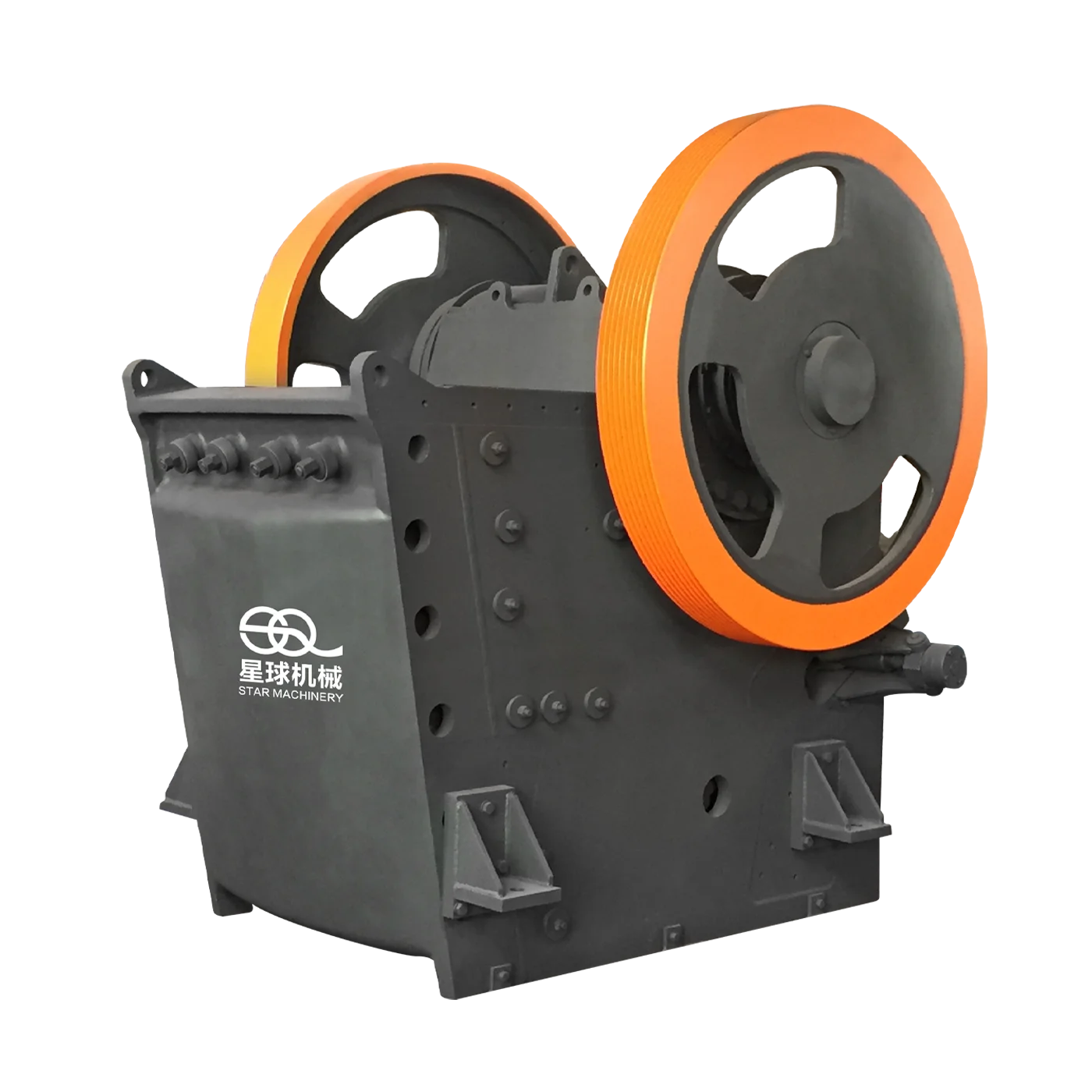
JC Series Jaw Crusher
The JC jaw crusher is designed using modern CAD technology, and all models are analysed by finite element technology to ensure that the internal stress level is within the appropriate range, which ultimately makes the JC crusher have the characteristics of high structural strength and light equipment weight.
It strengthens its own strength and reduces the self-weight of the equipment. It has the advantages of high yield, low cost, high structural strength and light equipment weight.
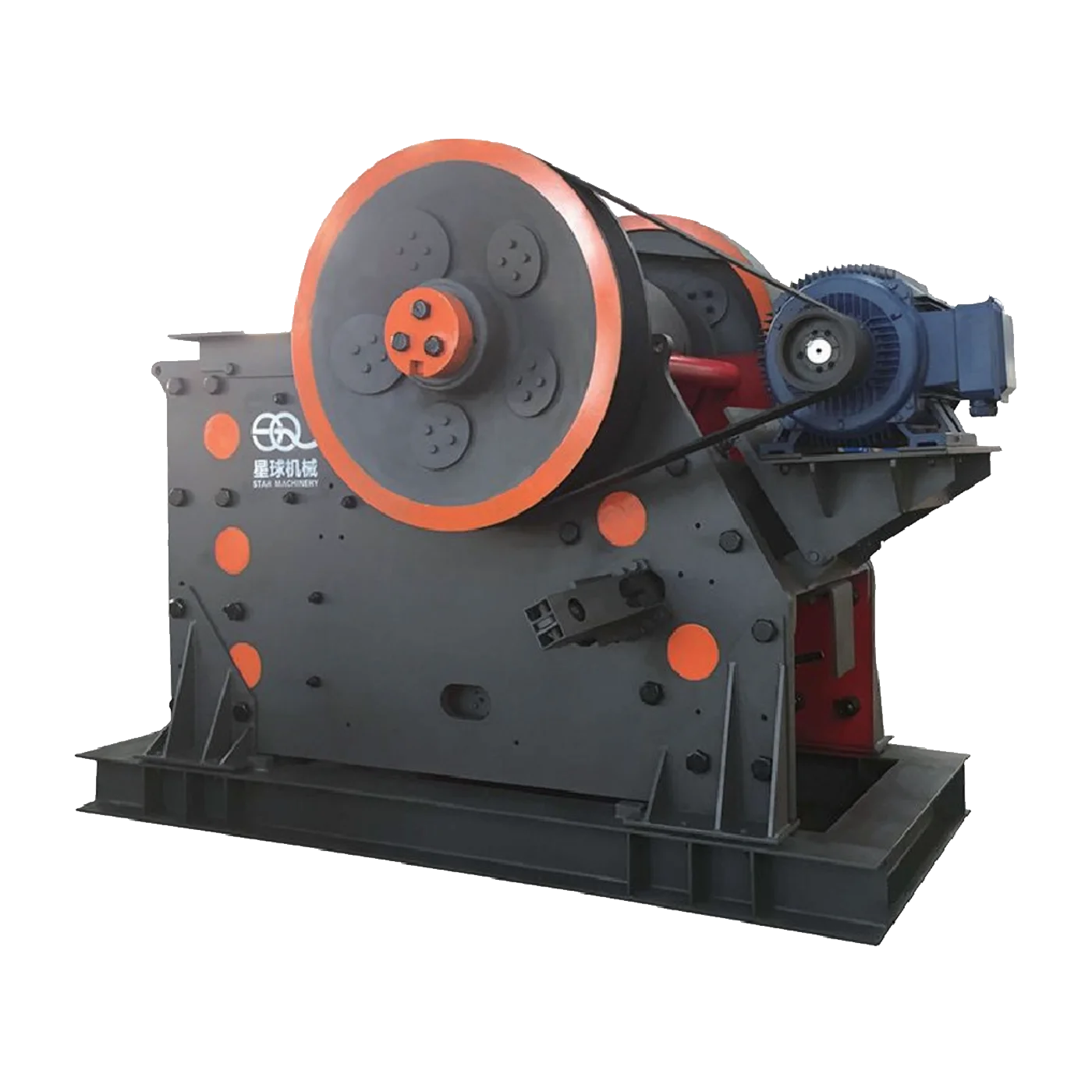
EC Series Jaw Crusher
Based on the development and design of various hard rock conditions, it adopts an innovative modular and non-welded frame structure, which has the advantages of economical and simple installation.
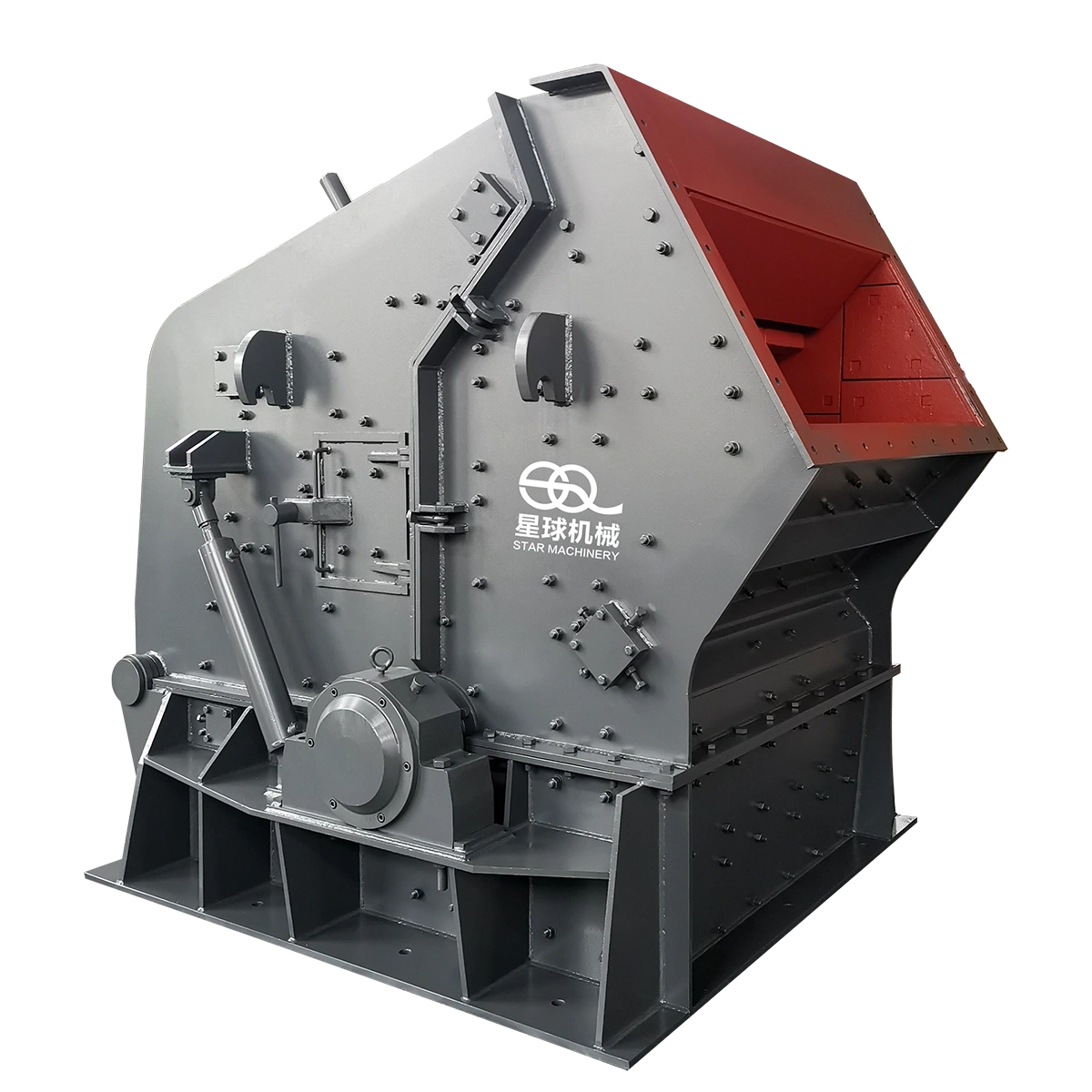
PF Impact Crusher
It is used for coarse crushing and medium crushing. It can process pressure-resistant ≤360 megapascal ore rocks. The processing volume is large, the discharge is fine, and the finished product is cubic, which is suitable for high-quality stone production in highways, water conservancy and other industries.
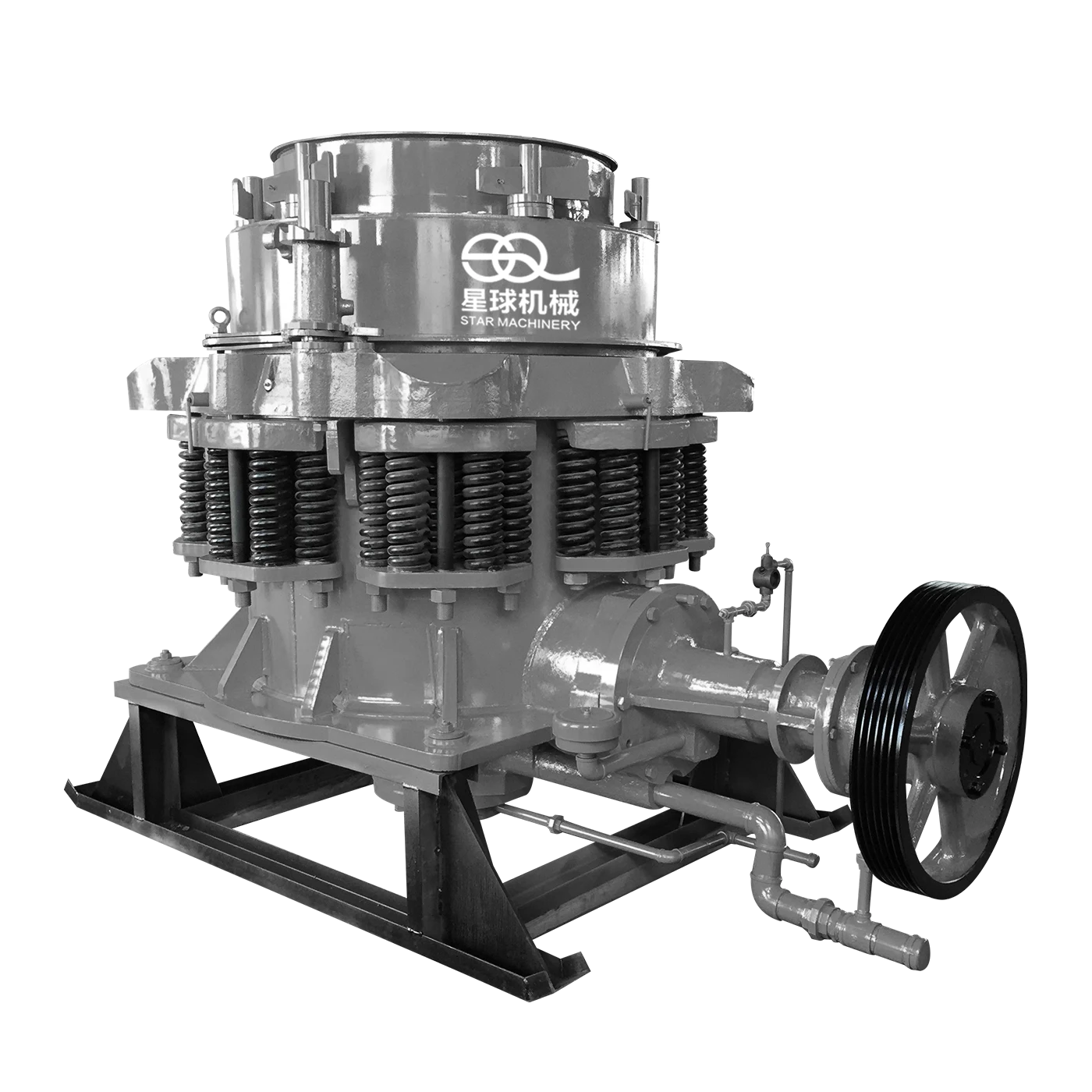
PY Cone Crusher
It has the advantages of high production efficiency, low energy consumption, uniform particle size of finished products, extended service life and so on.
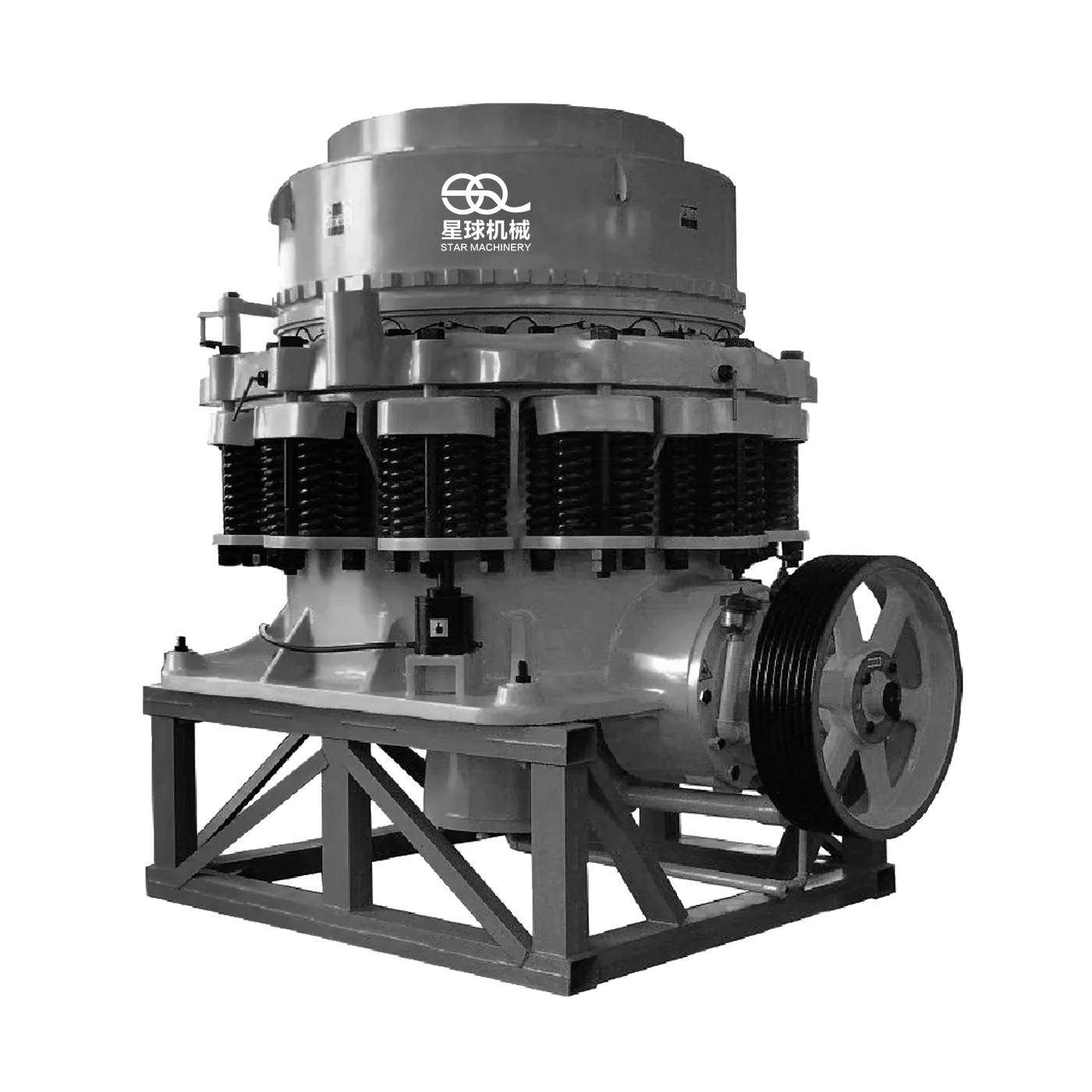
PYF Cone Crusher
It is usually used in secondary crushing and tertiary crushing. It is suitable for crushing all kinds of ores and rocks of medium and above hardness.
Recent news

How to Choose a Mining Crusher for Your Operation
Sep 18, 2026
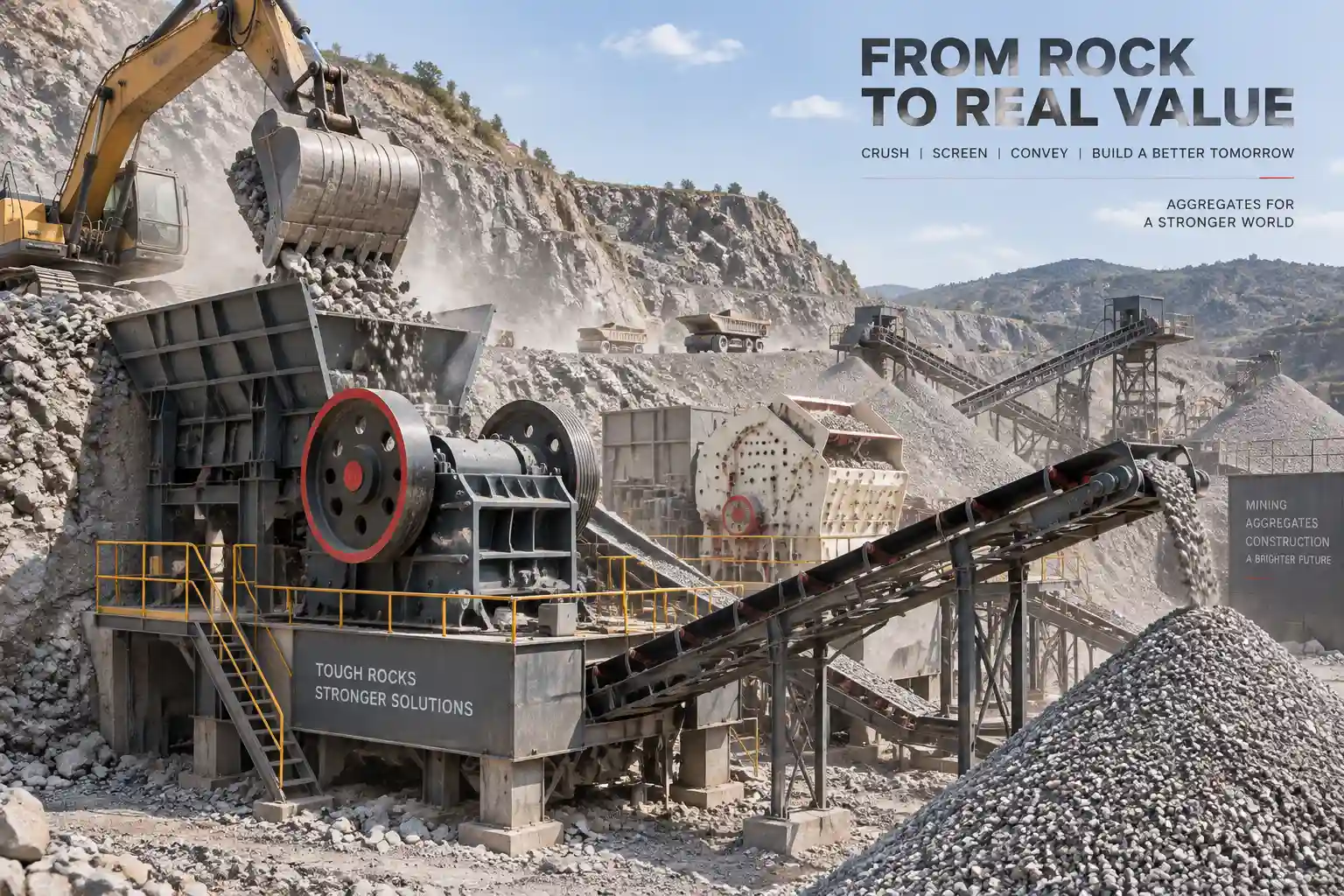
What Is the Difference Between a Jaw Crusher and a Hammer Crusher?
Sep 11, 2026
What Is Crushing Machinery? A Practical B2B Guide
Sep 4, 2026
See Latest Service