29 de octubre de 2026
)
Perspectivas y conocimiento de la industria minera
 administración
Turning big rocks into tiny sand grains takes a few steps. It usually kicks off with a vibrating feeder. That feeds a primary crusher. After that? We move on to secondary crushing, then screening, and finally sand making. Sometimes the raw rocks bring along a lot of sticky clay. Or maybe there is way too much dust. If that happens, washing is a must.
A dewatering screen can step in after wet washing. This handy tool shakes off the extra water. It also helps grab fine sand so you don’t lose it. Belt conveyors do the heavy lifting here. They carry the material around the plant from one stage to the next.
The final list of gear really depends on what you are starting with. What kind of rock do you have? How big are the pieces? It also changes based on how much you want to produce. You have to think about the sand grading and cleanliness, plus how wet the sand can be. A dry setup might stop right after screening and shaping. But a wet setup is different. It adds washing and special water-recovery equipment to the mix.
|
Production stage |
Main equipment |
Main function |
|---|---|---|
|
Feeding |
Vibrating feeder |
Controls the flow of raw stone |
|
Primary crushing |
Atracción trituradora |
Breaks huge rocks into smaller, easier chunks |
|
Secondary crushing |
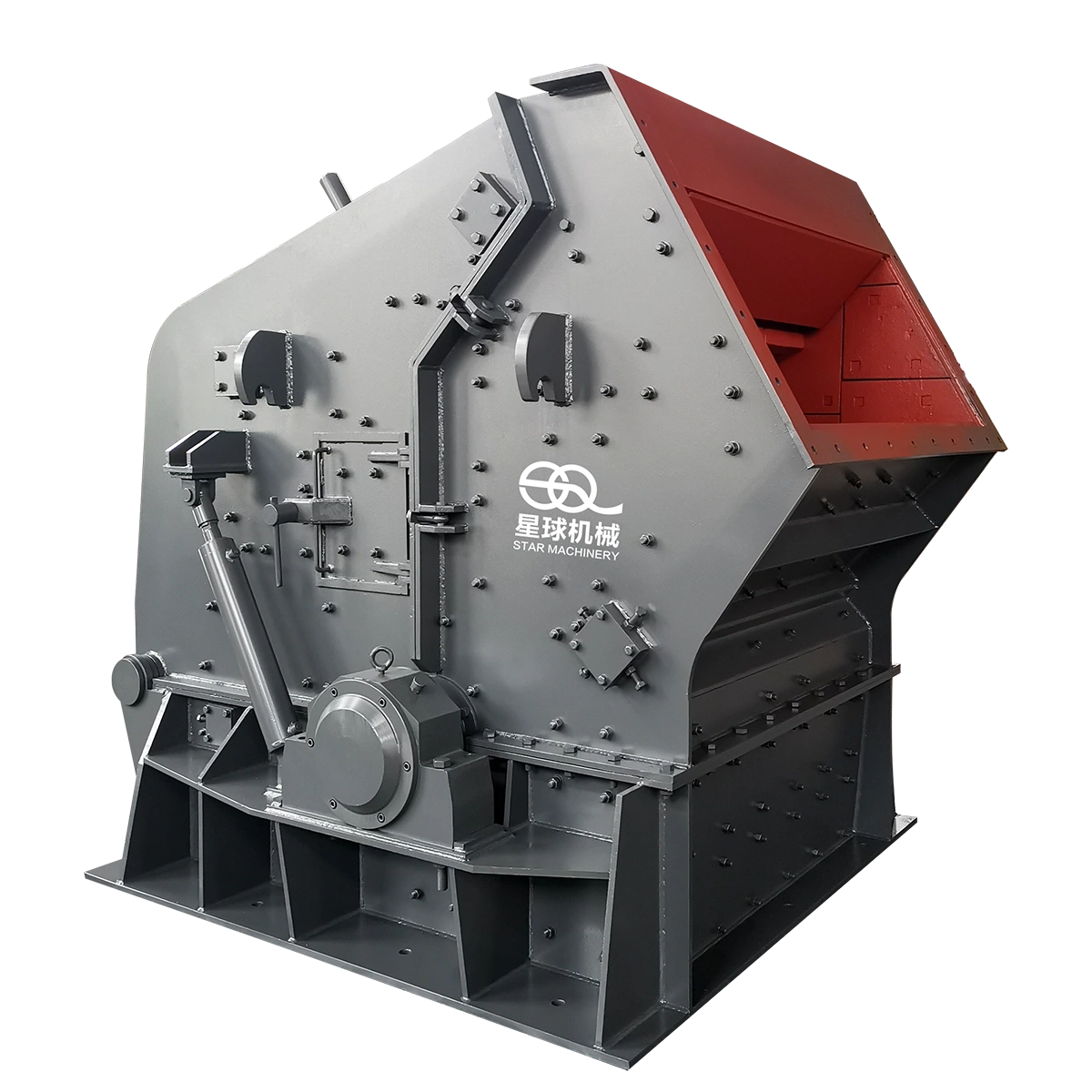
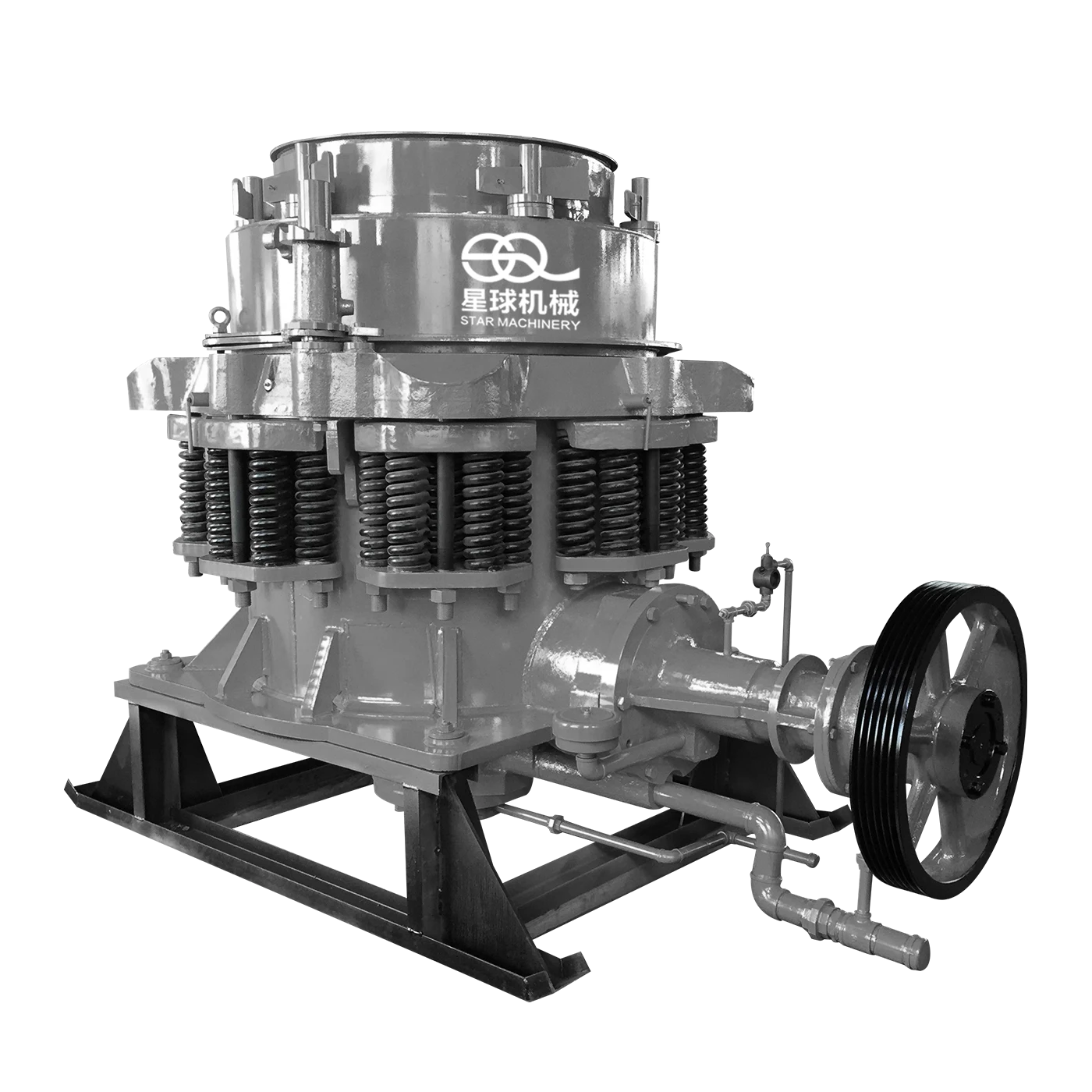
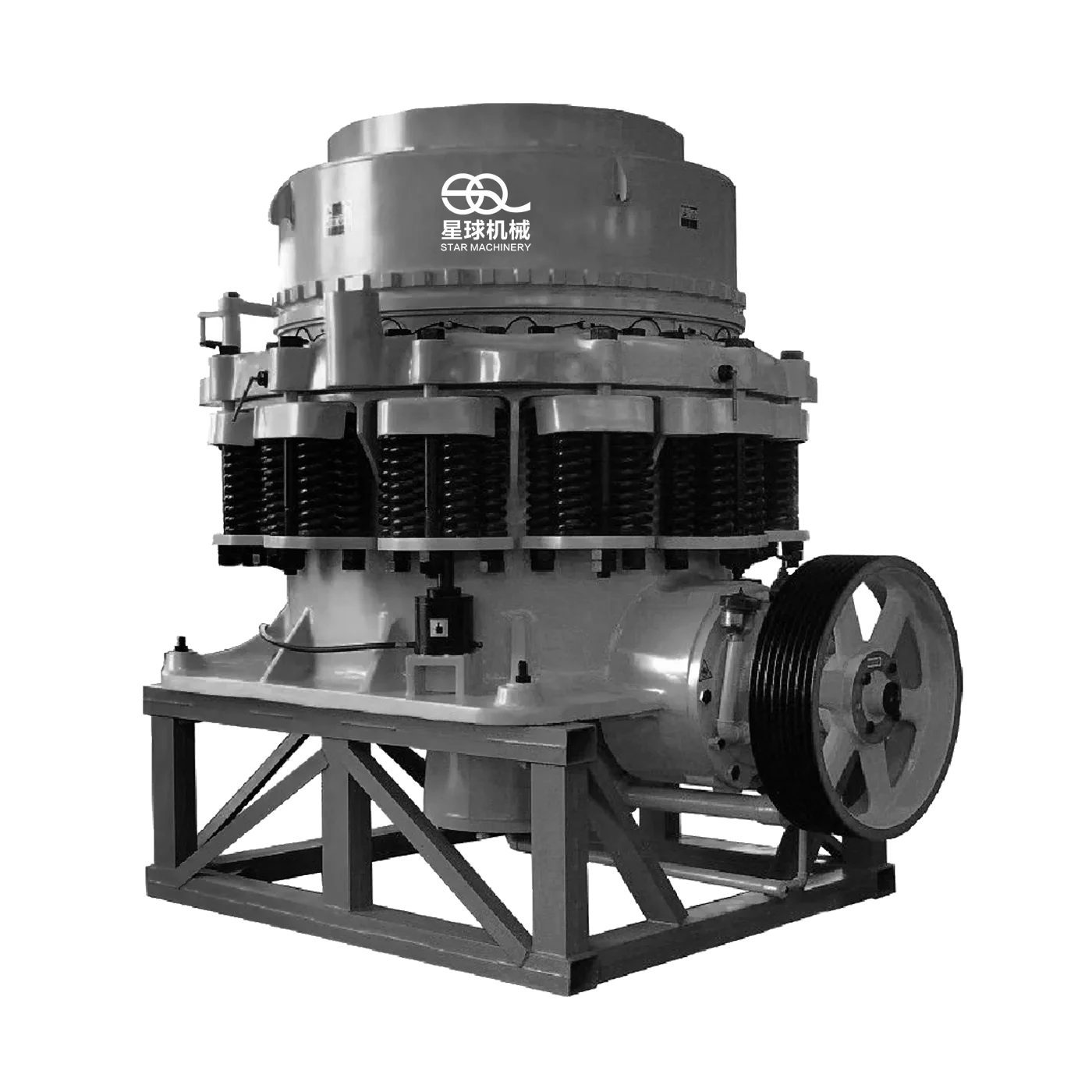
Cone crusher or impact crusher |
Makes rocks even smaller and helps control particle shape |
|
Screening |
Vibrating screen |
Sorts the rock bits by their size |
|
Sand making |
VSI crusher |
Shapes the stuff and makes manufactured sand |
|
Washing |
Sand washing machine |
Cleans out dust, dirt, and clay |
|
Optional dewatering |
Dewatering screen |
Pulls out extra moisture after wet washing |
|
Material handling |
Belt conveyor |
Moves stuff between the different stages |
The whole job starts right here. A vibrating feeder pulls raw stone out of the feed hopper. It then sends those rocks into the primary crusher. It does this at a very controlled rate.
You want a steady feed. This keeps the crusher from getting sudden, massive loads that could jam it up. Some of these feeders come with a grizzly section. This part actually drops out the really small stuff before crushing even starts. That simple trick saves a lot of wasted energy later on.
You have to pick a feeder that matches your primary crusher. It also needs to match the overall speed of your plant flow. If the feeder is too tiny, your whole line slows down. But if it is too big? You end up paying for extra costs and power you do not even need.
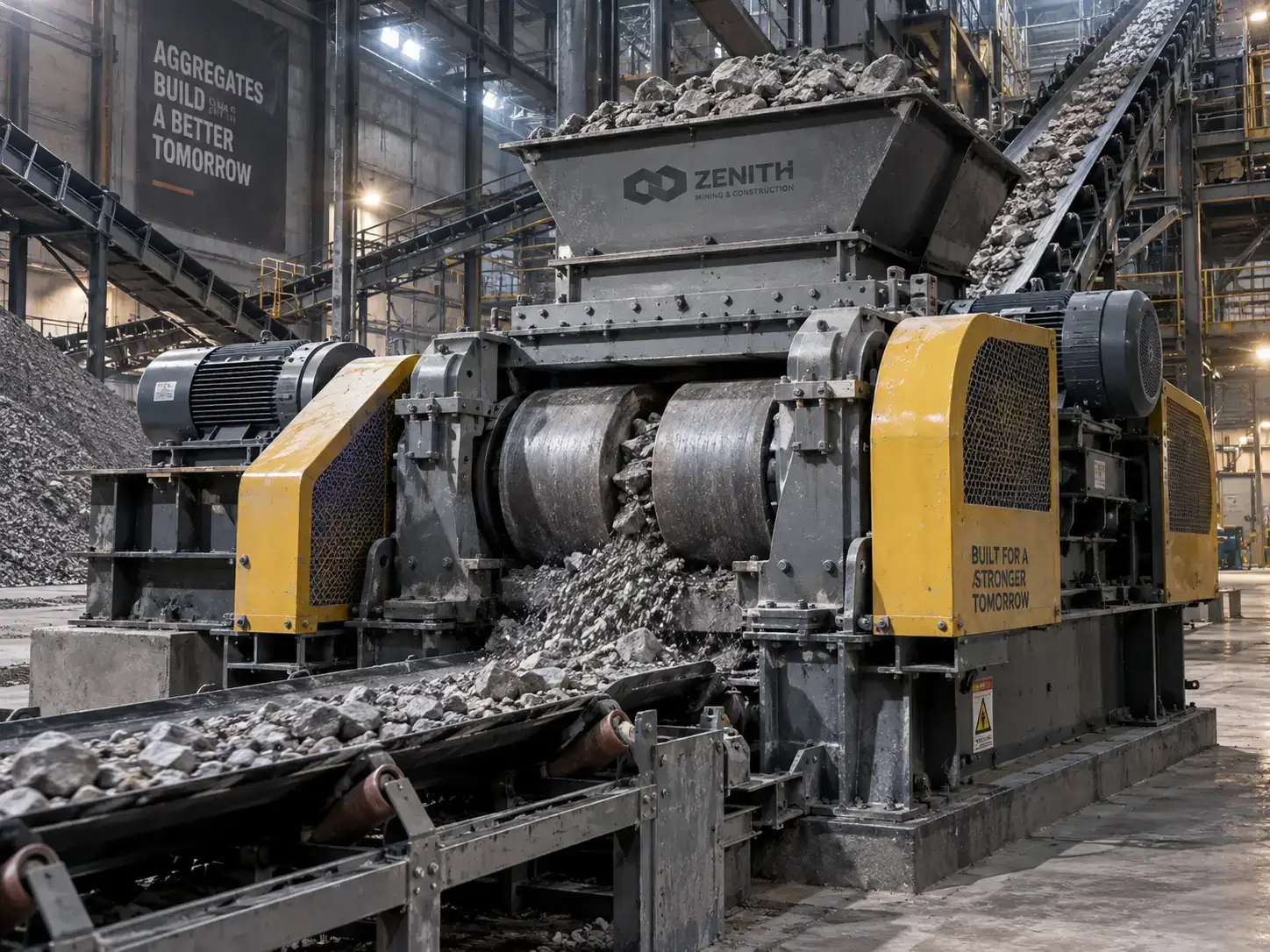
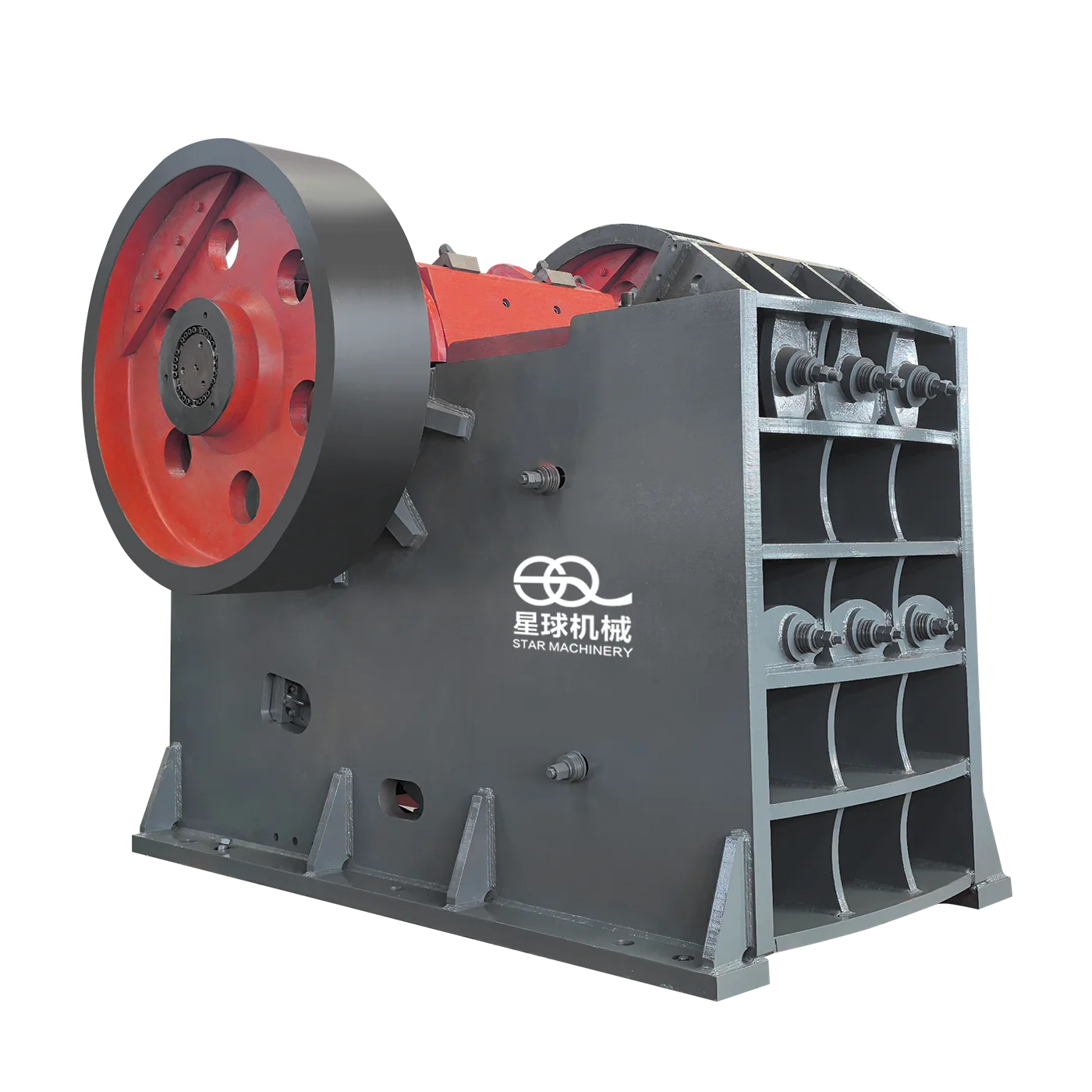
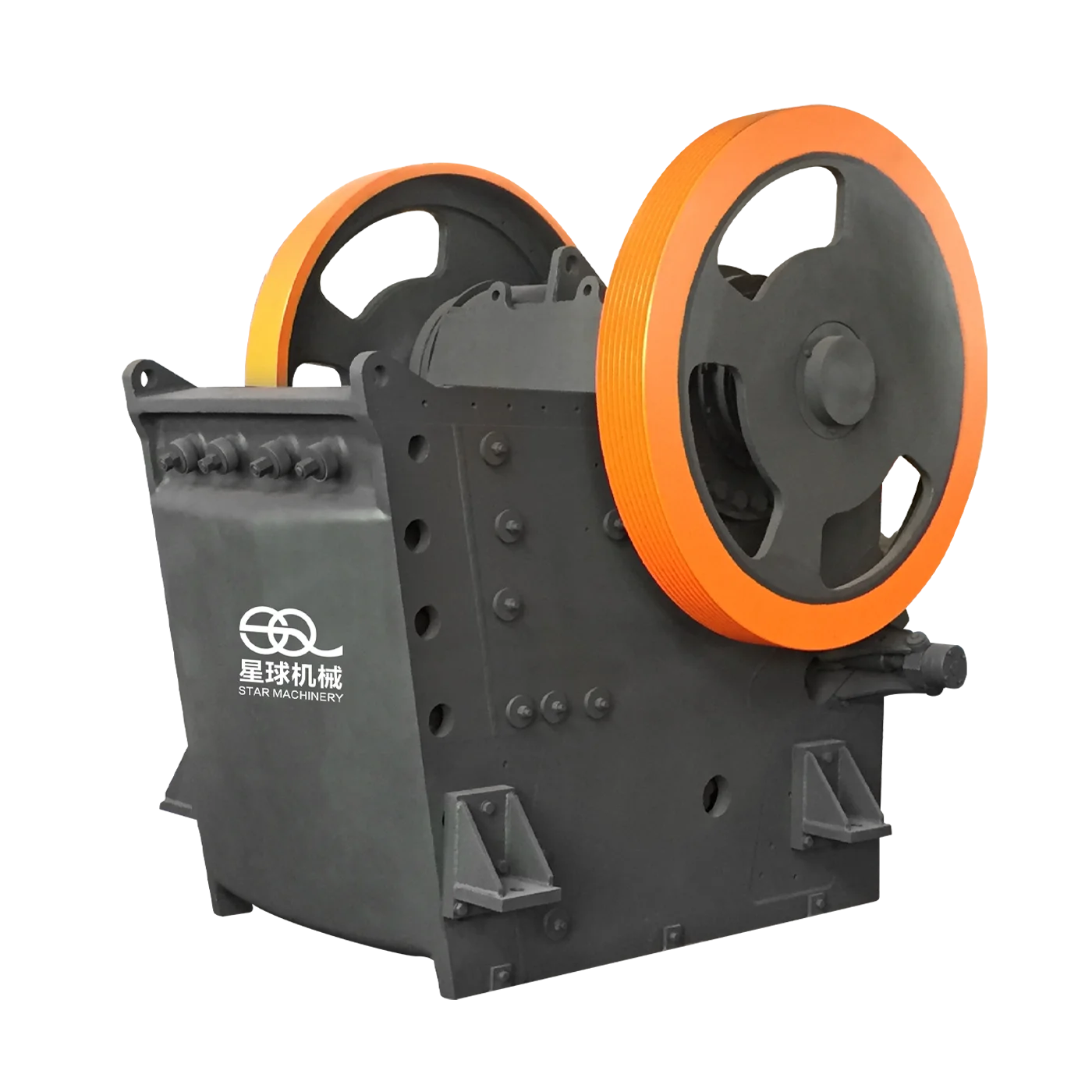
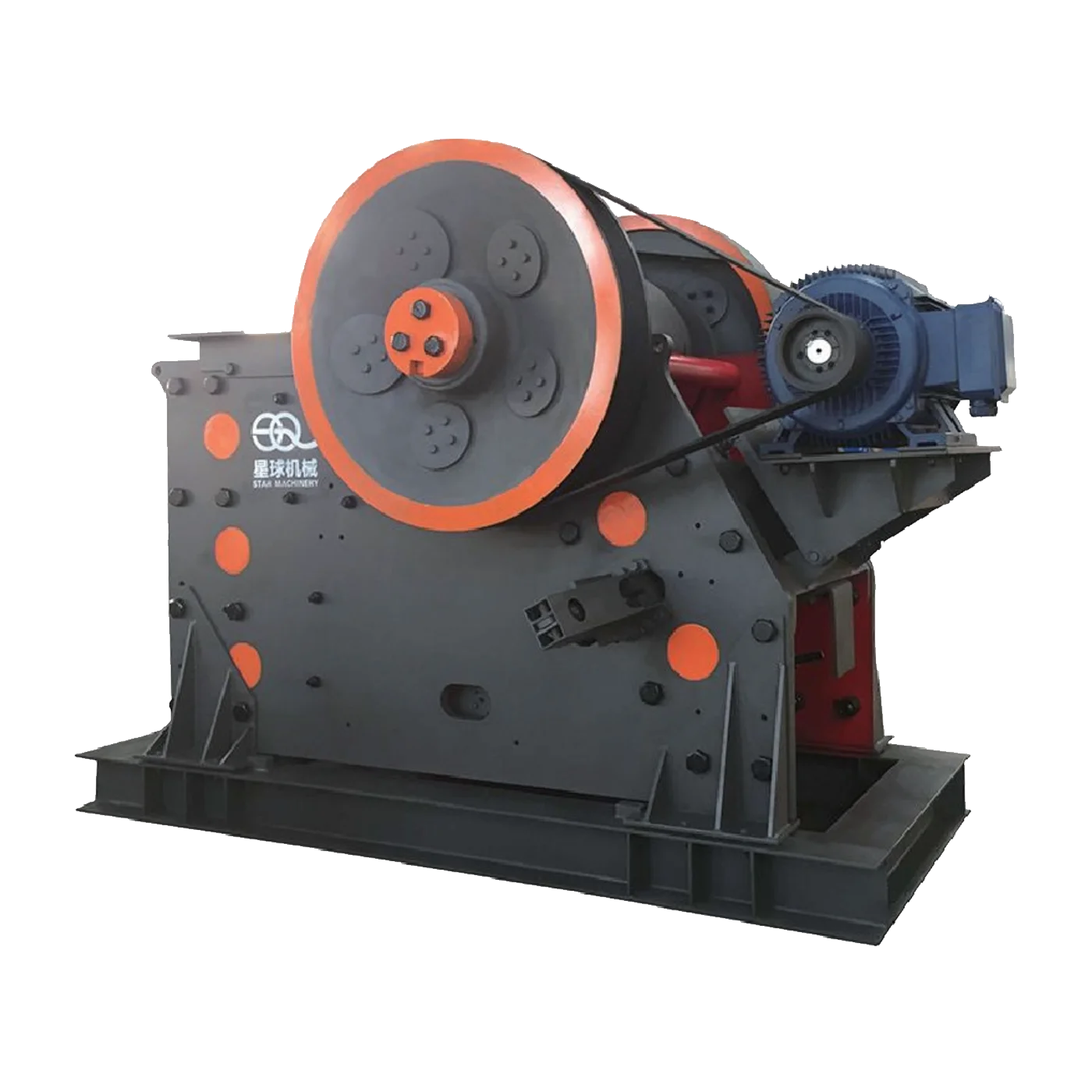
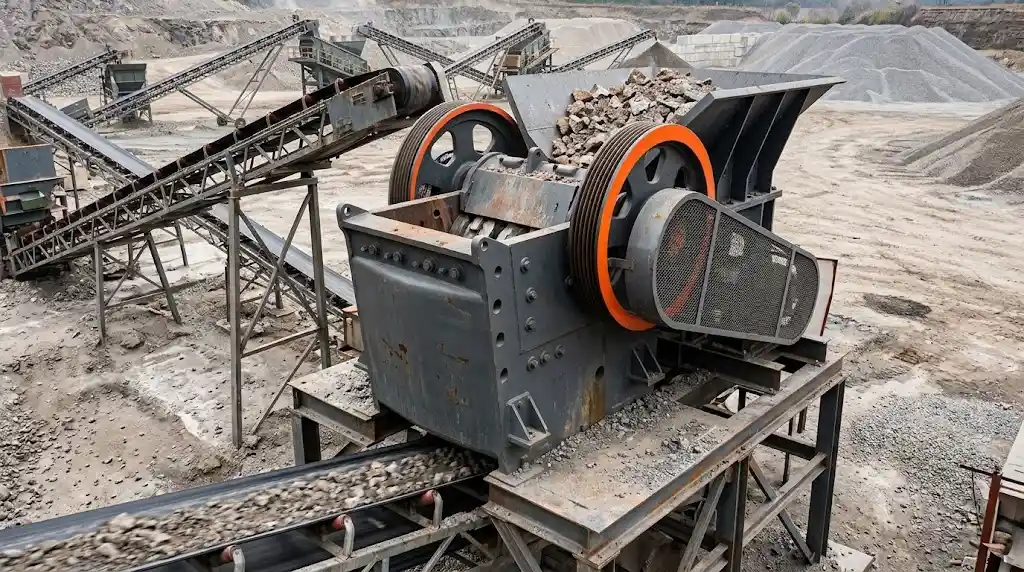
People usually grab a jaw crusher first. Why? Because it can easily chew up large, weirdly shaped pieces of rock. The machine basically crushes the material between two parts. One jaw stays still, and the other one moves.
The stuff that falls out the bottom is smaller. This makes it way easier to handle in the next crushing stage. Now, jaw crushing is mostly just prep work. It readies the feed. It does not actually spit out finished manufactured sand. Because of that, the rocks will definitely need some more breaking and shaping down the road.
Once the primary crushing is done, the rocks travel again. They go to either a cone crusher or an impact crusher. The choice depends entirely on the rock itself. It also depends on what product you need at the end.
A cone crusher is often the top pick for very hard stone. It handles abrasive stuff well during secondary or tertiary crushing. An impact crusher does things a bit differently. It breaks the material by slamming into it. This action helps make a nice, blocky product. That is super useful when particle shape is a big deal.
Choosing between them relies on rock hardness and abrasiveness. You also look at feed size, the output you want, and the shaping needs. Keep in mind, one single arrangement will never work for every single quarry.
Next up, the crushed stuff moves across a vibrating screen. This screen does a very important job. It separates the particles based on their size. Doing this means each size group can travel down the right path.
Material that fits your size limits can move on to the sand making phase. Or, it can go straight into a product stockpile. What about the rocks that are still too big? They get sent back to the crusher through a closed loop. This loop keeps the rock feed nice and steady for the next step.
Some screens have multiple decks. Multi-deck screens can sort several aggregate sizes all at once. The number of decks you pick should match your product specification. Do not just use a standard layout if it doesn’t fit your actual needs.
El VSI crusher steps in when your line needs finer material. It is also used when you really need to improve the particle shape. It spins the crushed stone really fast. Then, it breaks the rocks using high-speed impact.
What comes out can be used as manufactured sand. But it has to meet the rules for grading and cleanliness first. Different projects have different limits. Think about concrete, asphalt, mortar, and paving. They all care a lot about size distribution. They also care about fines and the actual shape of the sand grains.
You have to make sure the VSI feed matches the machine. Oversize rocks or badly screened feed cause problems. It increases wear and tear. It also makes controlling the final grading a total headache.
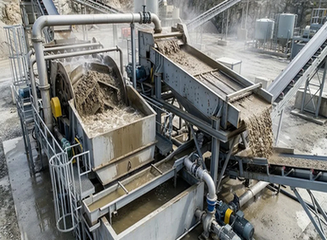
Crushing and screening create a lot of dust on the particles. On top of that, the raw stone might already hold a bunch of silt or clay. A sand washing machine cleans up this mess. It washes away the unwanted material. This happens before the sand is sold or stockpiled.
Your washing method really depends on a few things. How dirty is the rock? What is the throughput? How good does the final product need to be? If your feed is fairly clean, it might need very little washing. But material packed with clay requires a lot more effort. It needs a longer washing and classification circuit.
Wet processing brings another challenge. You have to handle the dirty water. A project might use a dewatering screen after the wash. Or maybe another fine-sand recovery setup. These are optional choices. Pick them based on material tests and your moisture target. They are definitely not an automatic part of every single plant.
Washed sand brings a lot of water with it from the cleaning stage. A dewatering screen can take out a good chunk of that water. It also helps keep the fine particles from washing away with the waste water.
Adding this step makes life much easier. Stockpiling is simpler. Transporting the sand is cheaper. This is especially true when your finished sand has a strict moisture requirement. Do you absolutely need one? Well, that depends on your washing route and the material properties. You also have to think about local water management requirements. Finally, consider exactly how the sand will be handled later.
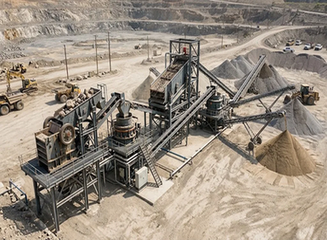
Let’s look at a common artificial sand flow. It usually goes like this:
Raw stone → vibrating feeder → jaw crusher → cone or impact crusher → vibrating screen → VSI crusher → sand washing machine → optional dewatering → finished sand.
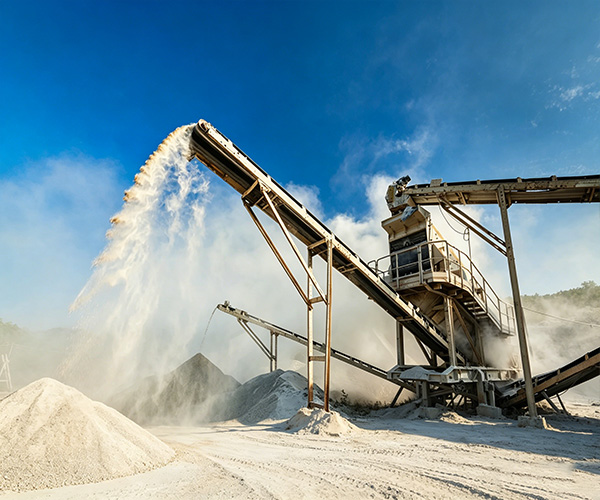
Belt conveyors link everything together. They move stuff to the next machine, or out to a stockpile. A closed circuit might throw oversize material back into the crusher. Meanwhile, separate discharge points drop different aggregate sizes into neat piles.
What if you use a dry route? You might skip the washing and dewatering completely. You can do this if your feed is clean enough and your product specification allows it. For a wet route, you must include water recovery. Fines management needs to be part of the plant layout too.
You have to start by looking at your raw material. Hard, abrasive rock puts a lot of stress on the crushing stages. It really beats up the wear parts. A softer rock might let you use a totally different setup. But watch out. Clay and moisture can create huge headaches during screening and washing.
After you know your rock, define the finished product. Write down the sand size you want. Note the grading and particle shape. Don’t forget cleanliness, moisture, and capacity. Decide if your process will be dry or wet. Do this before you even think about selecting downstream equipment.
Your layout needs some breathing room, too. Always leave space for maintenance. You need room for wear-part replacement. Make sure conveyors, stockpiles, and dust control fit nicely. Water handling needs space as well. Remember, feeding, crushing, screening, shaping, and washing all act as one big circuit. Changing just one stage will definitely change how the others work.
A jaw crusher breaks down large stone really well. But honestly, it normally does not produce finished manufactured sand all by itself. You almost always need secondary crushing. A fine-crushing or shaping stage is usually required after it.
No, not always. A VSI crusher is super helpful when you need finer material. It is also great when improved particle shape is required. But other fine-crushing arrangements might work just fine. It really depends on your feed and product specification.
Not at all. Washing is mainly for when the feed has too much dust, clay, or other impurities. You also use it when your final application demands very clean sand. A dry process might be totally fine for cleaner stone.
A dewatering screen is commonly used right after the washing step. But do you actually need it? That depends on your wet-processing route. It also depends on the required moisture level. Sometimes, different classification or water-recovery equipment gets used instead.
At the end of the day, stone-to-sand production is a team effort. It combines controlled feeding, primary and secondary crushing, and screening. Then comes sand making and material handling. You only add washing and dewatering if your feed condition demands it. Your final sand specification plays a big role too.
Getting the right equipment sequence is all about knowing your rock properties. You also have to know your finished-product requirements. A good process review should look at feed size, hardness, and abrasiveness. Check the grading, fines, and moisture. Figure out your capacity and maintenance access. Finally, decide on your intended dry or wet route. Once you know all that, you are ready to build.