Nov 12, 2026
)
Perspectives minières et connaissances du secteur
 administrateur
An impact crusher can receive too much return material when its discharge gets coarser or when the screen sends finished-size particles back for another pass. Both problems can occur at once. Start with a sieve analysis of the return belt material. If most of the extra return is genuinely oversize, compare the crusher discharge and fresh feed with their normal gradations. If the return contains a growing share of particles that should pass the screen, check the screen first.
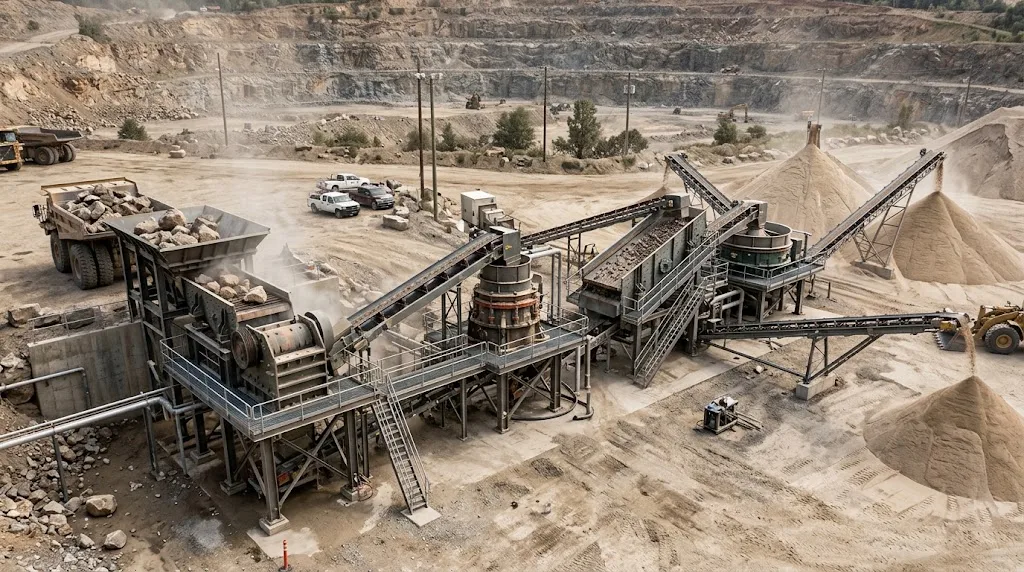
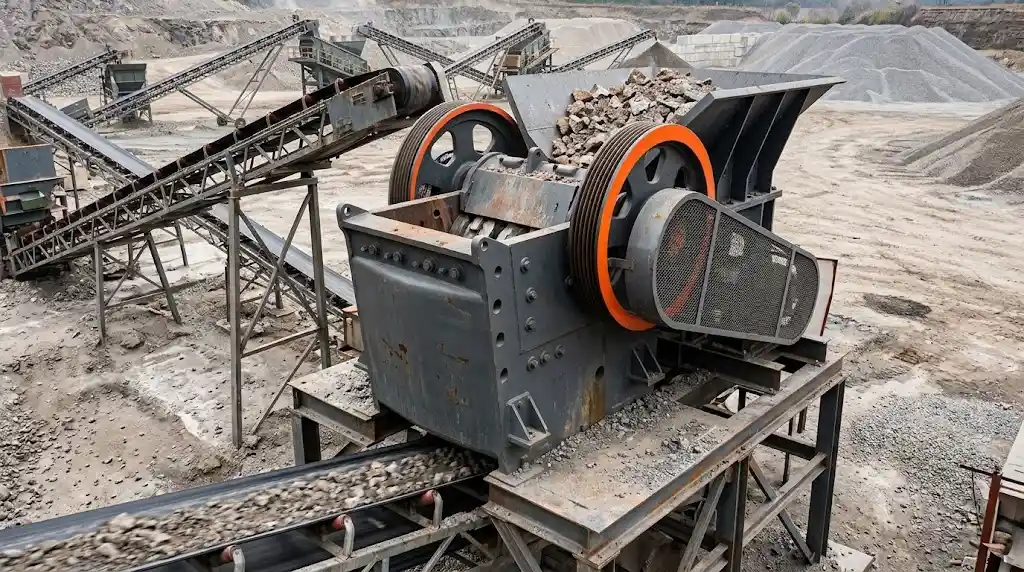
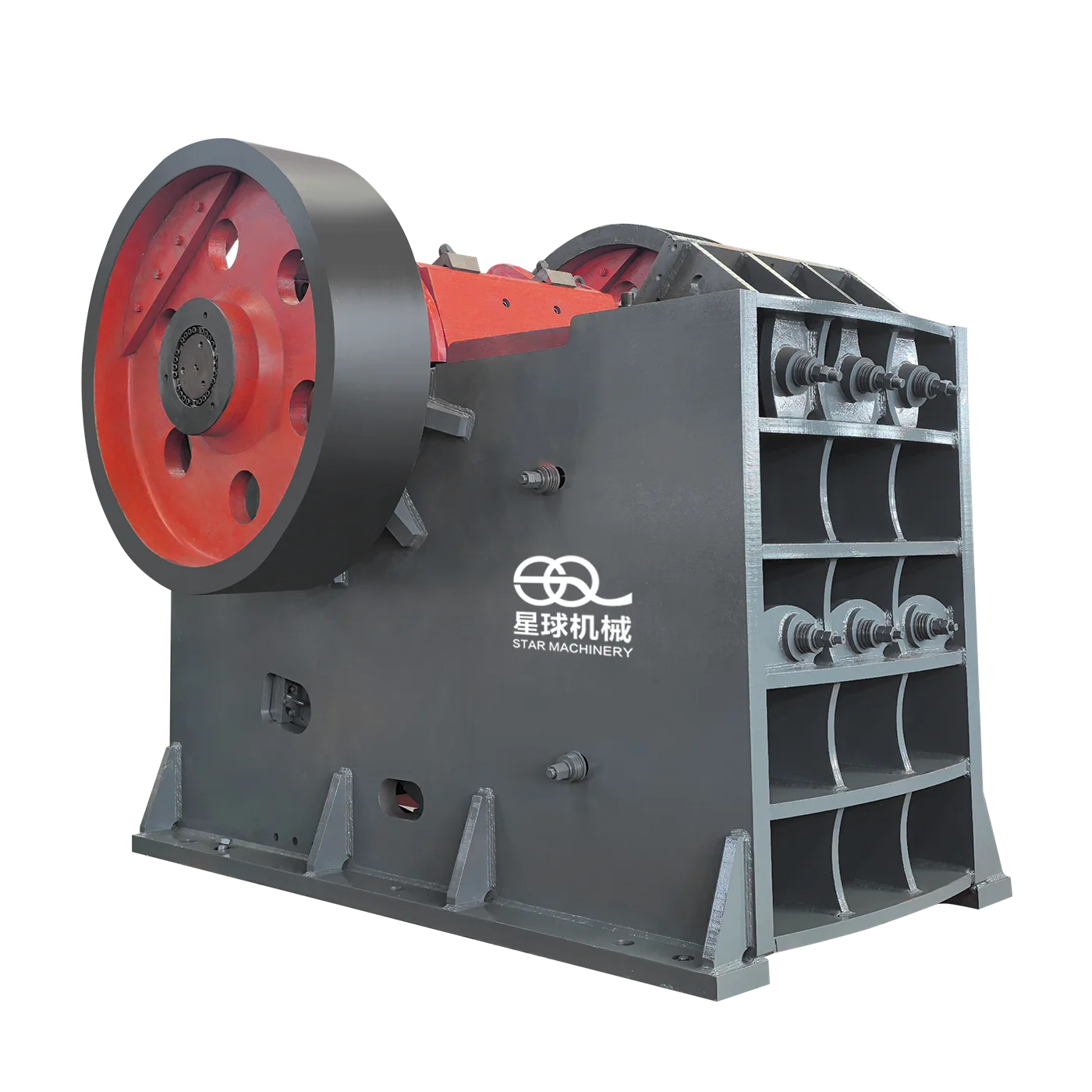
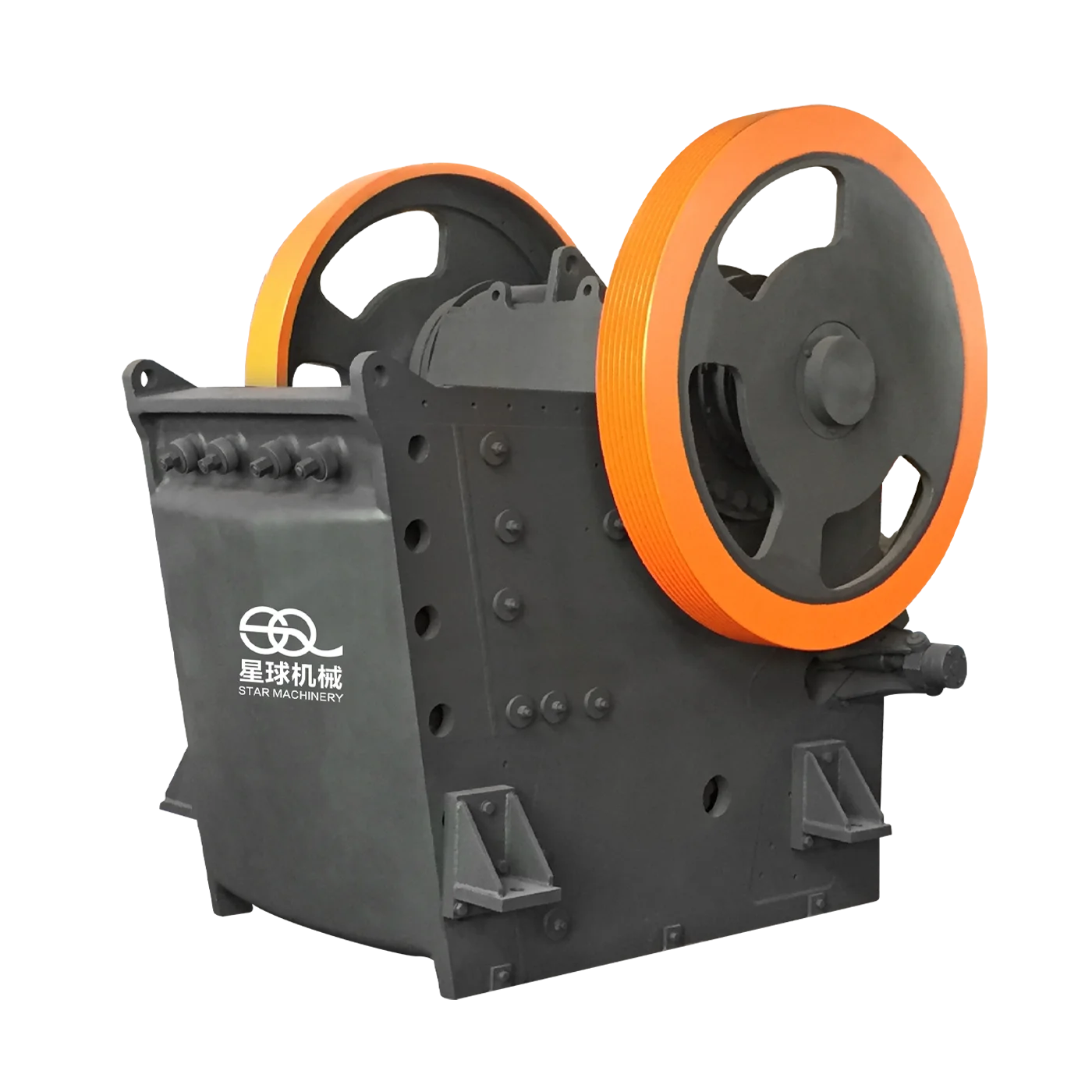
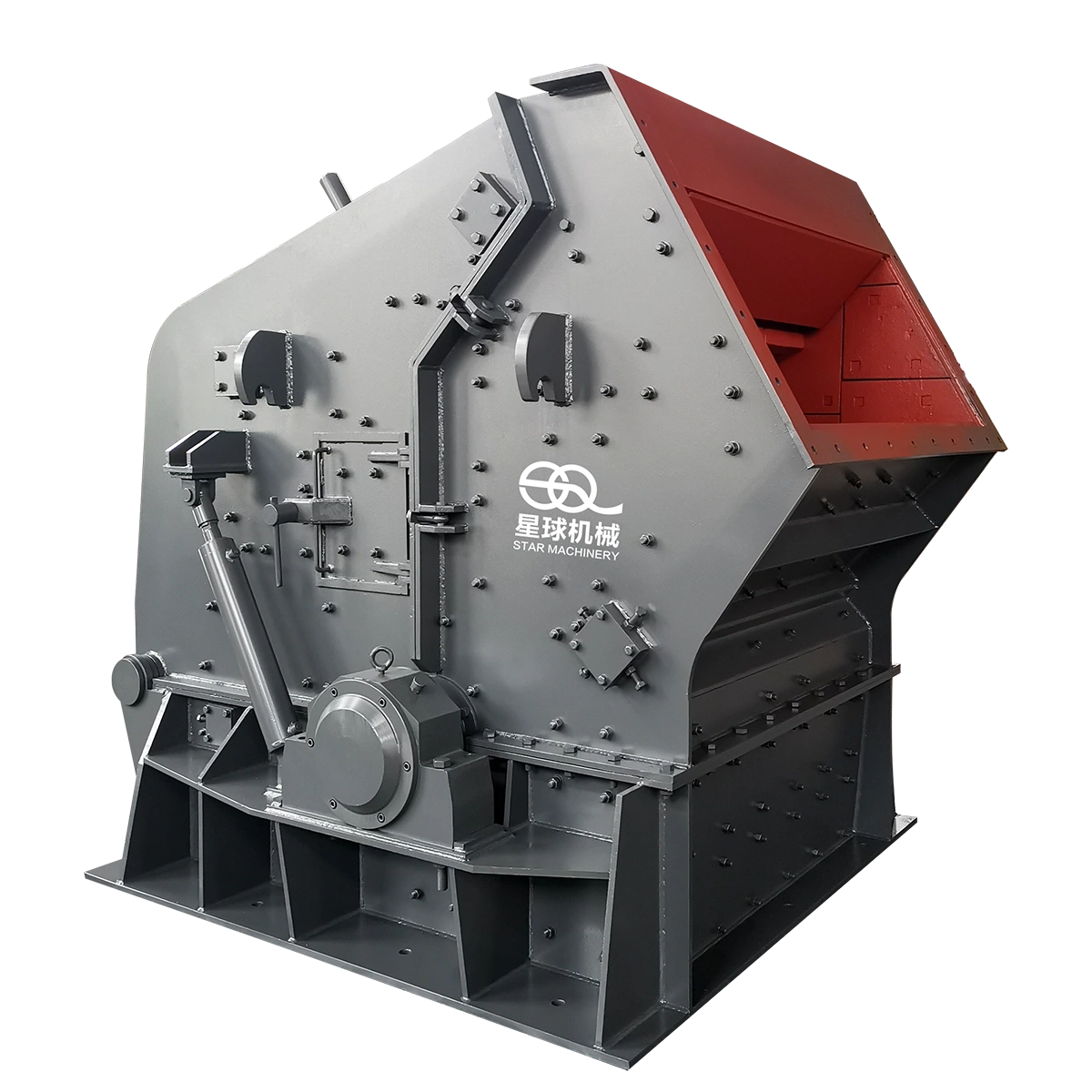
This guide covers closed circuits that use a horizontal-shaft impactor, such as the Star Machinery PF Impact Crusher, for secondary crushing after the primary crusher.
In a closed circuit, the screen separates the crusher discharge by size. Material that passes the relevant deck goes to the next stage or to a product stockpile. Oversize travels back to the crusher. Some return is part of normal operation. The return belt adds to the load from fresh feed, so a sustained rise in recirculation can consume capacity that would otherwise be available for new material. McLanahan’s guide to open and closed circuits
Track circulating load as return mass flow ÷ fresh feed mass flow × 100%, with both flows measured over the same stable operating period. Record the two flow rates alongside the percentage. A drop in fresh feed can raise the ratio even if the return belt carries the same tonnes per hour.
Compare the readings with a stable baseline for the same material, product size and circuit setup. Pay particular attention when return tonnes per hour rise while finished-product output drops or crusher load increases.
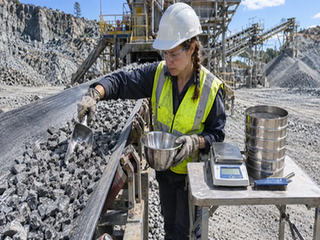
Use approved sampling points and collect representative samples during steady operation. Sieve the return sample at the intended separation size and record the mass in each fraction. Compare the result with a baseline sample if one is available. Multiplying the on-size mass fraction by the return flow rate estimates how many tonnes per hour of finished-size material are being sent back.
A high on-size fraction directs attention to screening. Look at the size distribution within that fraction as well. Particles just below the cut size can be harder to screen than much smaller particles. A large share of material well below the cut size warrants a close look at blocked openings, uneven loading or the installed screen media.
Take a crusher discharge sample upstream of the screen during the same operating period. If discharge has become coarser and the return is mostly oversize, check what changed in crushing or feeding. If discharge gradation is steady but more on-size particles appear in the return, investigate the screen. When both trends appear, work through both parts of the circuit and measure each change separately.
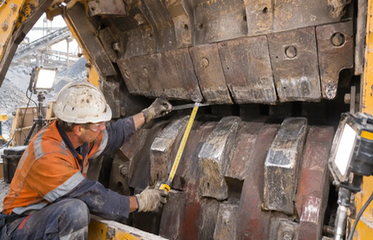
Gradual coarsening under similar feed conditions can point to worn blow bars, worn impact plates or a change in the effective apron gap. During an isolated shutdown, inspect wear across the rotor width and check the actual gap using the measurement procedure for the installed impact crusher. Compare it with the last setting that produced acceptable gradation and the limits in the machine manual. Consult the model documentation when selecting impact crusher wear parts.
A wider effective gap can allow coarser material to leave the crushing chamber. Closing the gap also changes the crusher’s operating conditions and may increase fines. Confirm the cause with the discharge sample before changing the setting.
Check whether the primary crusher is sending larger lumps or a higher share of coarse material downstream. Review feeder trends for surges and compare the timing with peaks on the return belt. A change in rock source can also change how readily the feed breaks and how quickly wear parts lose their profile. Record feed size, rate and material source alongside the crusher discharge sample so the next comparison accounts for those changes.
Wet fines and clay can coat the screen surface and blind openings. Near-size stones can lodge in individual openings, a condition known as pegging. Both reduce the open area available for finished-size particles to pass. If excess return starts after rain or a change in the feed source, compare the on-size fraction in the return with the previous dry or stable run. Metso’s screen blinding case study
A deep bed or material concentrated on one side gives particles fewer opportunities to reach an opening. Check where the feed lands, how evenly it spreads across the deck and whether the problem worsens at higher throughput. If the increase followed a screen media change, verify the installed aperture against the intended cut size and check the finished product with a sieve analysis. Star Machinery vibrating screens
Change one factor at a time where practical. Once the circuit stabilizes, recheck fresh feed rate, return rate, finished-product throughput and gradation. Use comparable feed and the same sampling points. A lower circulating load is useful when the circuit also maintains or improves compliant product output. Keep the readings as the baseline for the next change in feed, screen media or wear parts.