Nov 19, 2026
)
Perspectivas y conocimiento de la industria minera
 administración
Mining equipment covers the tools we use to dig out, move, crush, sort, wash, and work with raw mineral dirt. The right tool mix rests on your mining way. It also depends on what the dirt is like, how big you want the final pieces, how much you need to make, and your site setup.
Are you buying wear parts? If so, start with one simple question. Which machine actually touches the dirt, and which exact piece takes the hardest hits?
Mining wear parts are machine pieces that hit rock, ore, sand, or gravel over and over. You see this heavy hitting a lot inside crushing chambers. It also happens on screens, belt conveyors, and washing areas.
We have some proven examples in this guide. First, we have crusher hammers used inside hammer crushers. Second, we see jaw-crusher tooth plates placed right in the crushing chamber. Finally, we look at the screen. People know this screen as a normal wear part on an XS Series Sand Washer.
You must always look at the part and its machine together. Also, think about the dirt going in, where the part sits, and how the site runs.
The top mining ways are underground mining, surface or open-pit mining, and placer mining. How do you pick the best way? You must look at where the minerals sit and their shape. You also check how hard the rock is and the ore grade. Money matters too, so think about mining costs and market prices.
Extraction equipment can cover tools for drilling, blasting, digging, and moving the first load of dirt. These are just broad mining groups. We do not call them star Machinery products right now. We only do that if a specific page says so.
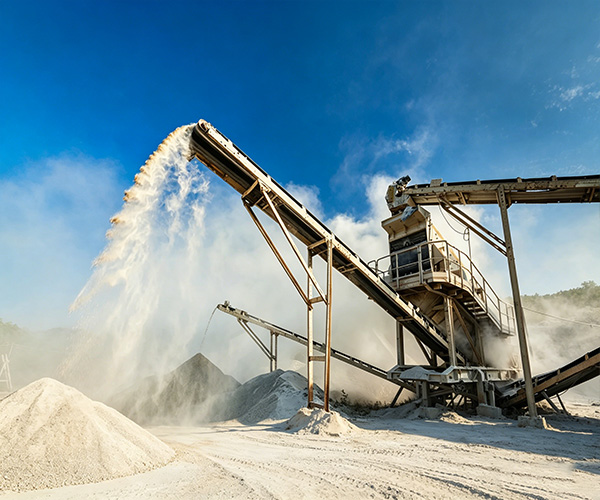
After digging it out, the dirt needs to go to the next step. Depending on the mine setup, workers might use big trucks, belt conveyors, or tall elevators. Conveyors also pass dirt between steps inside a crushing and screening plant.
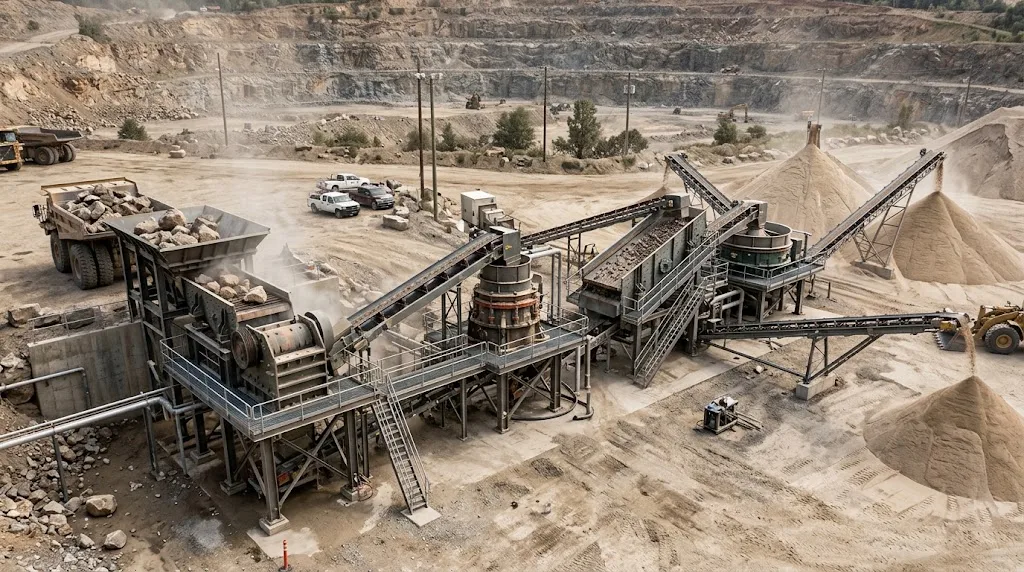
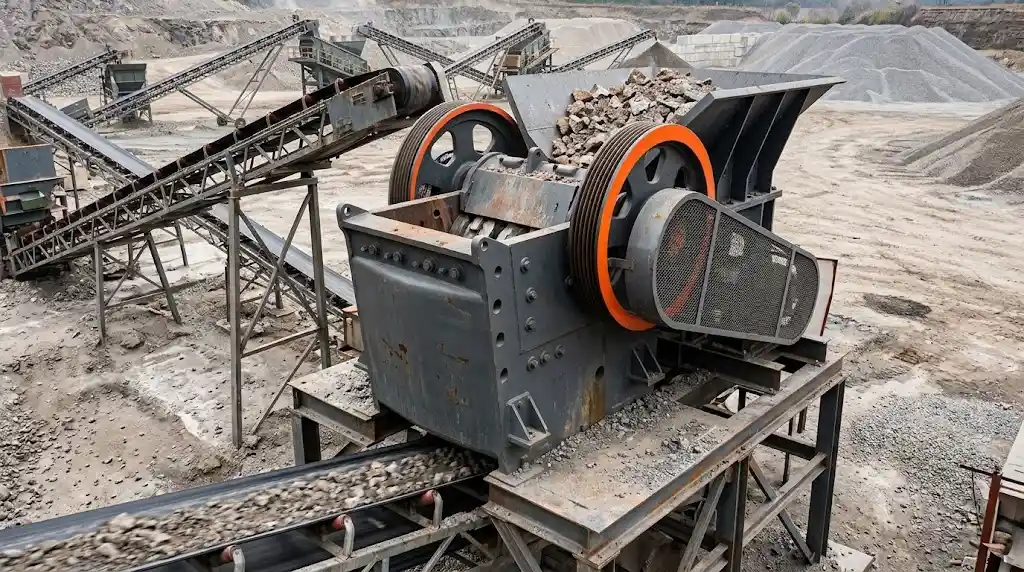
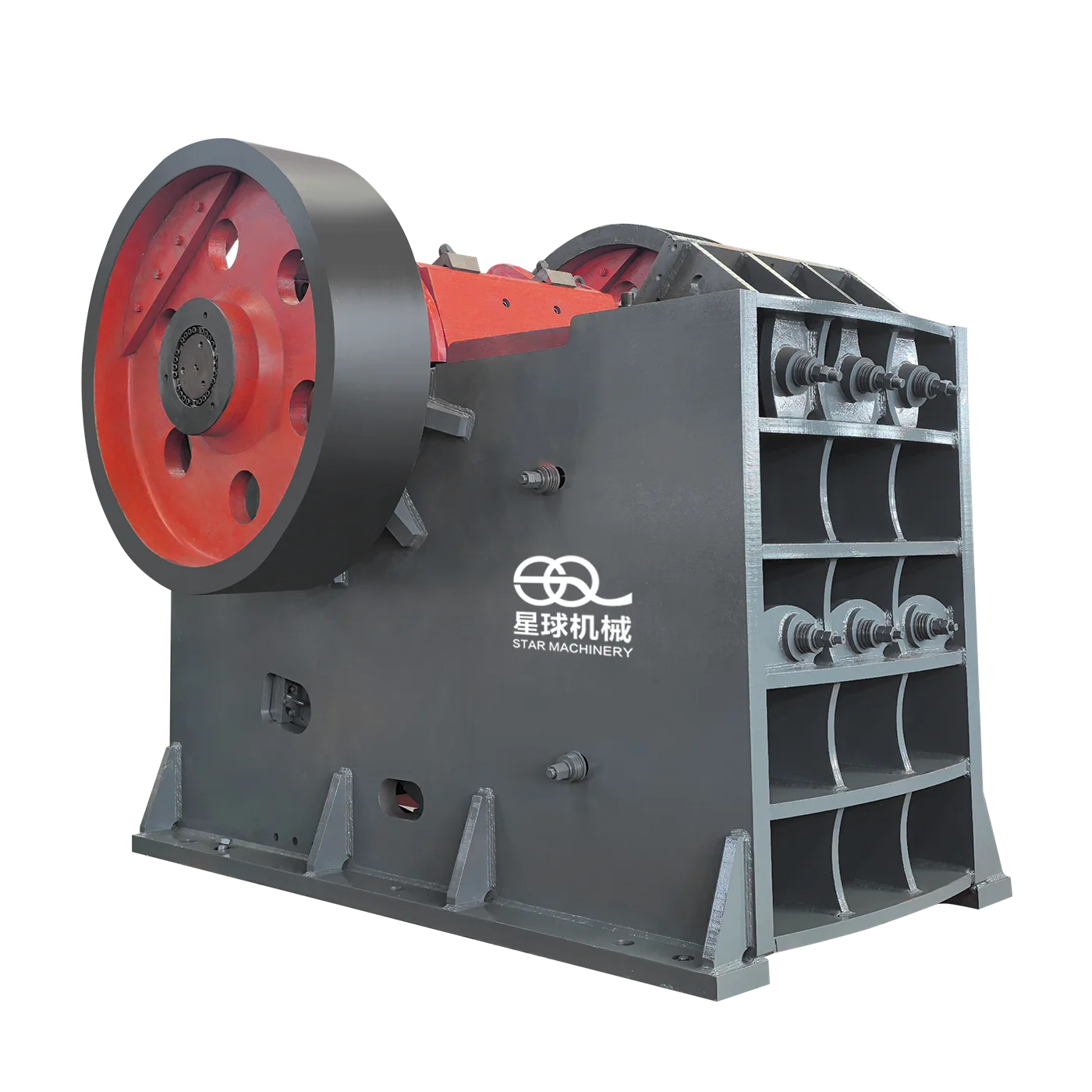
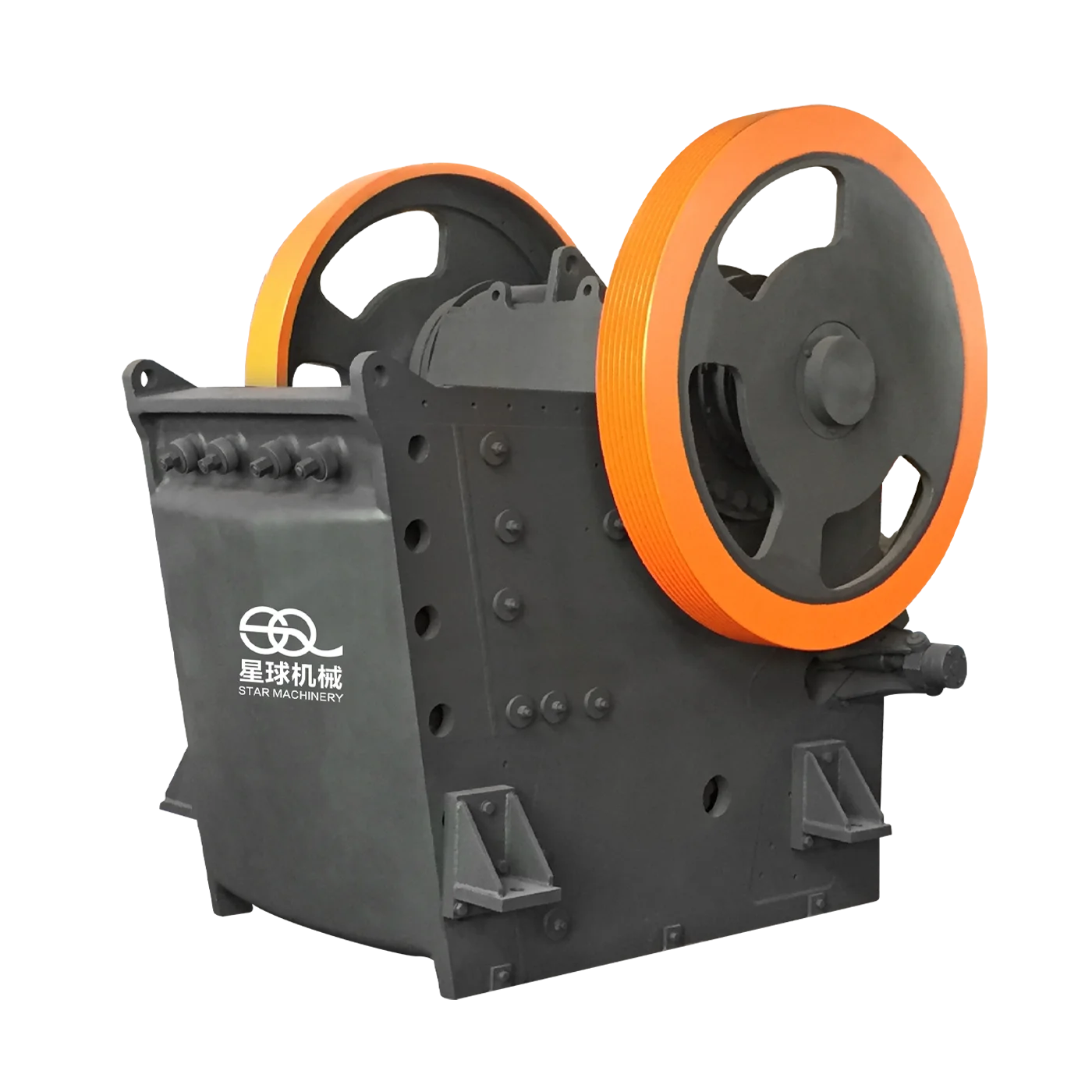
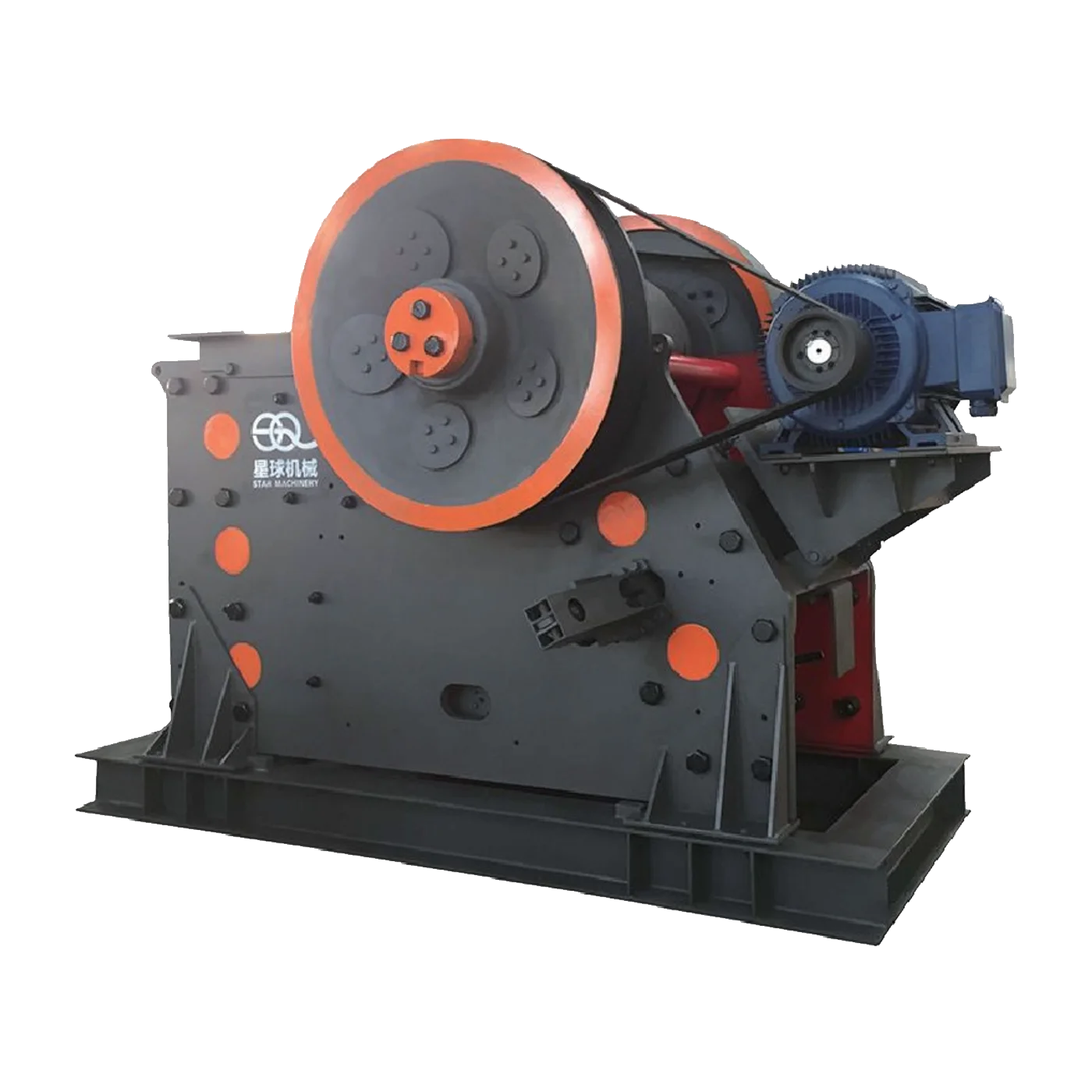
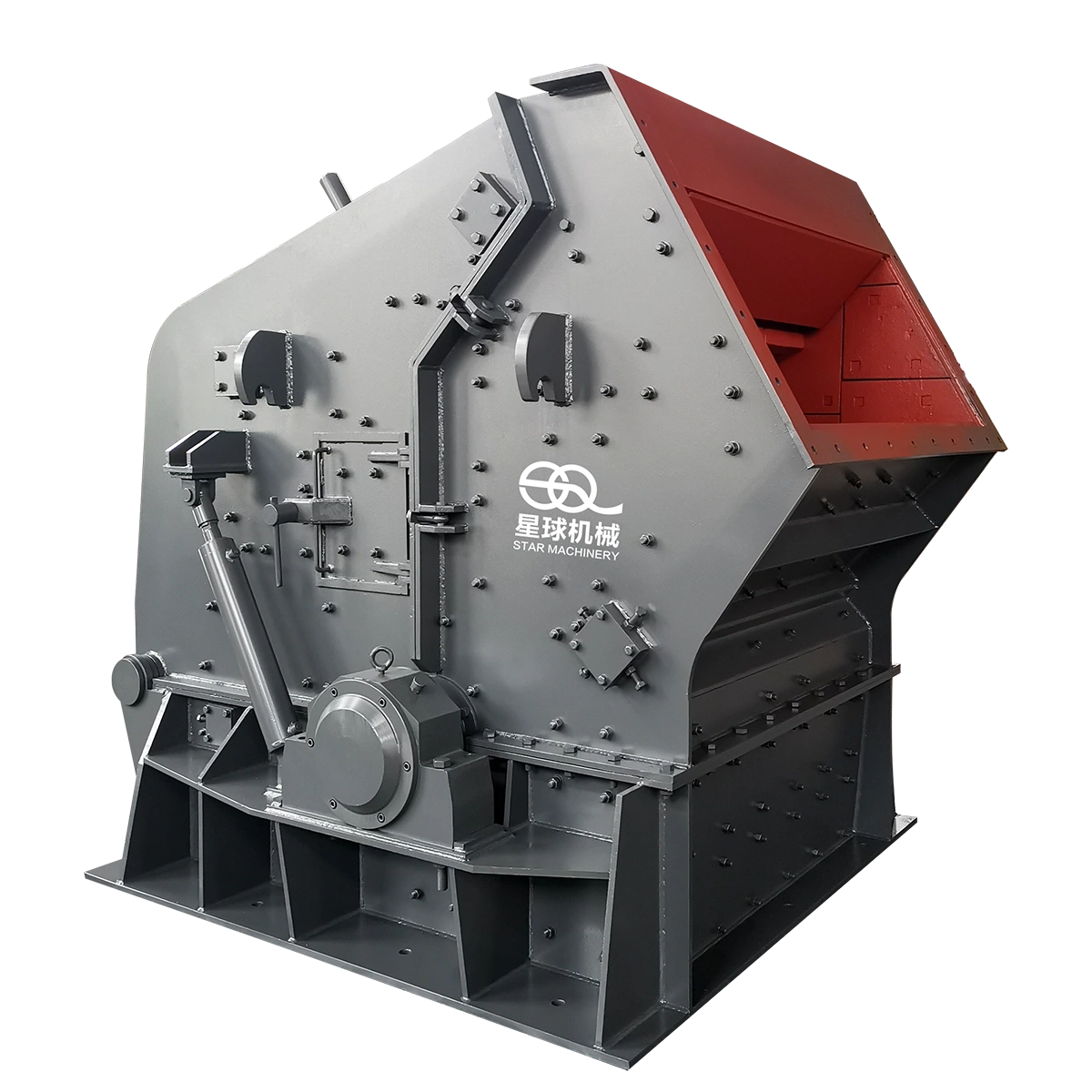
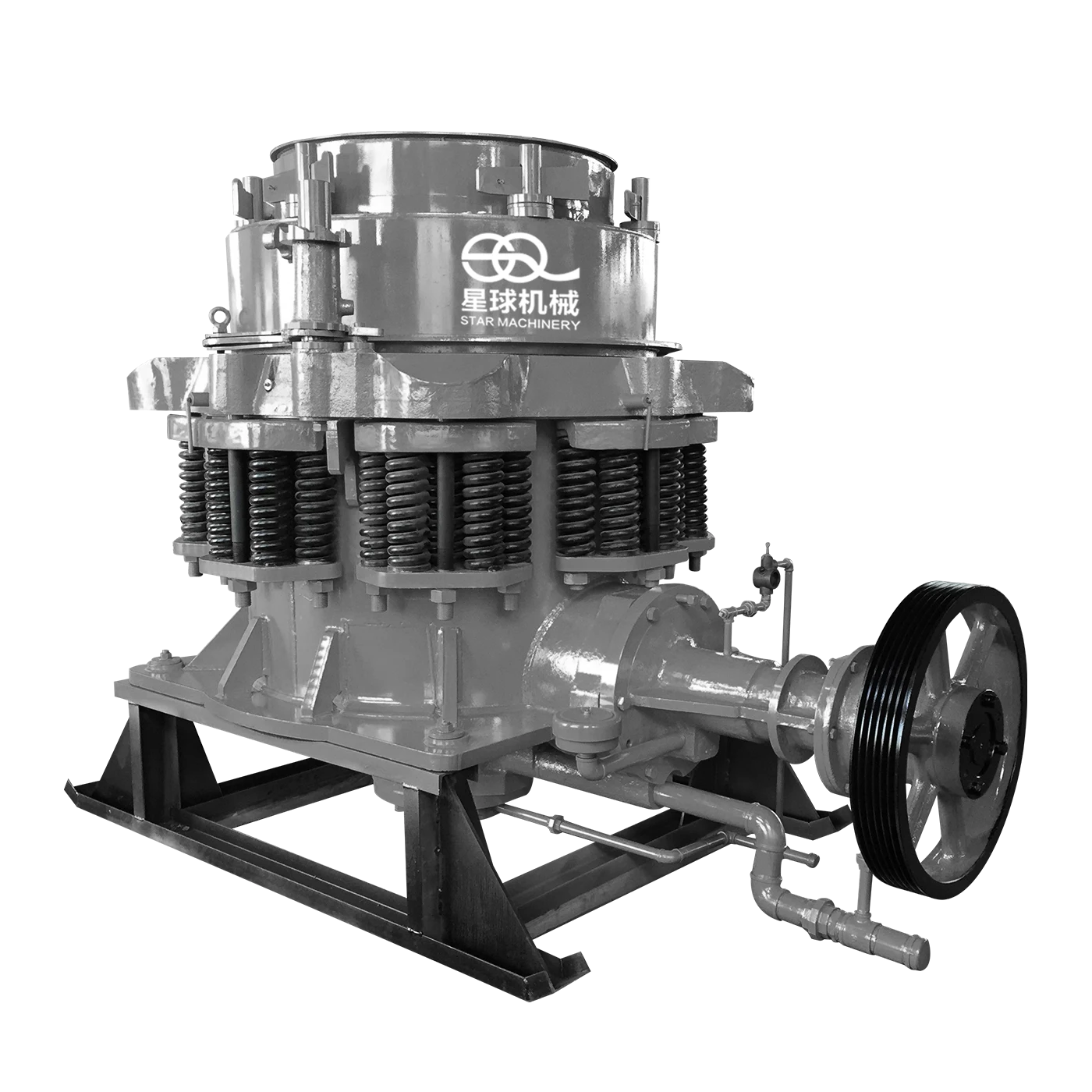
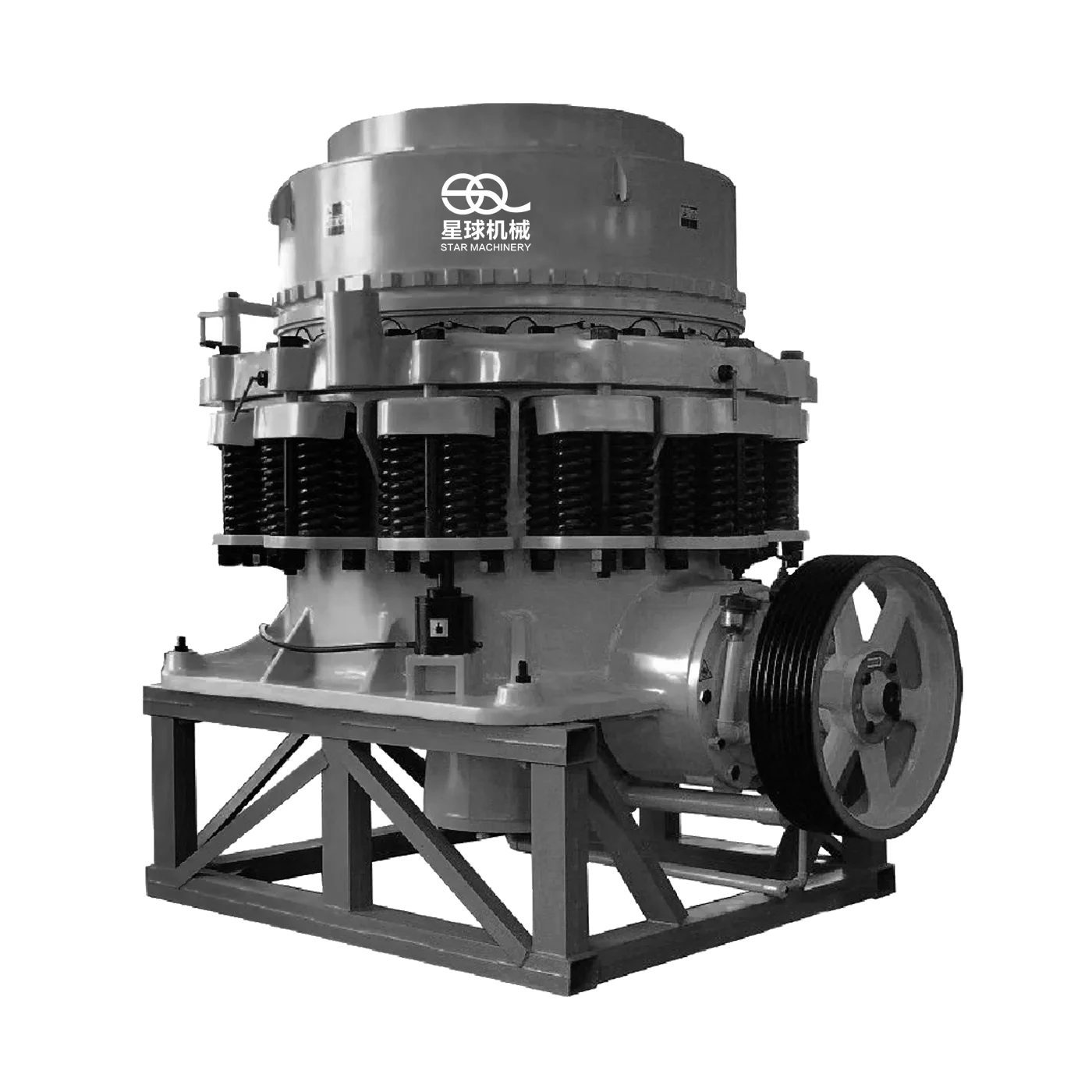
Crushers break big rocks into smaller bits. Then, the next tools can handle them easily. A good crushing line might use a vibrating feeder and a jaw crusher. It might also use an impact or cone crusher, plus a sand-making machine.
Vibrating screens sort the dirt by its size. Too-big pieces might go back into a crusher. Meanwhile, the right-sized bits move on to the next step. Gravel hits the screen all the time. Because of this, screening spots wear out very fast.
Washing equipment takes care of sand and gravel. It washes away bad dirt dust. The proven Star Machinery production-line details list sand-washing and dust-removal tools. Also, the XS Series Sand Washer page points out normal screen wear. Long-time hitting against sand and gravel causes this wear.
When dirt gets to the surface, it might head to a mill. There, workers sort the good ore from the bad rock. Gold, copper, and other ores might need more work. They can go through grinding, flotation, or gravity separation. They might also need thickening, filtration, or tailings handling steps.
Those are just normal process steps. The current Star Machinery facts do not prove this yet. So, we cannot call those processing or tailings systems true star Machinery products.
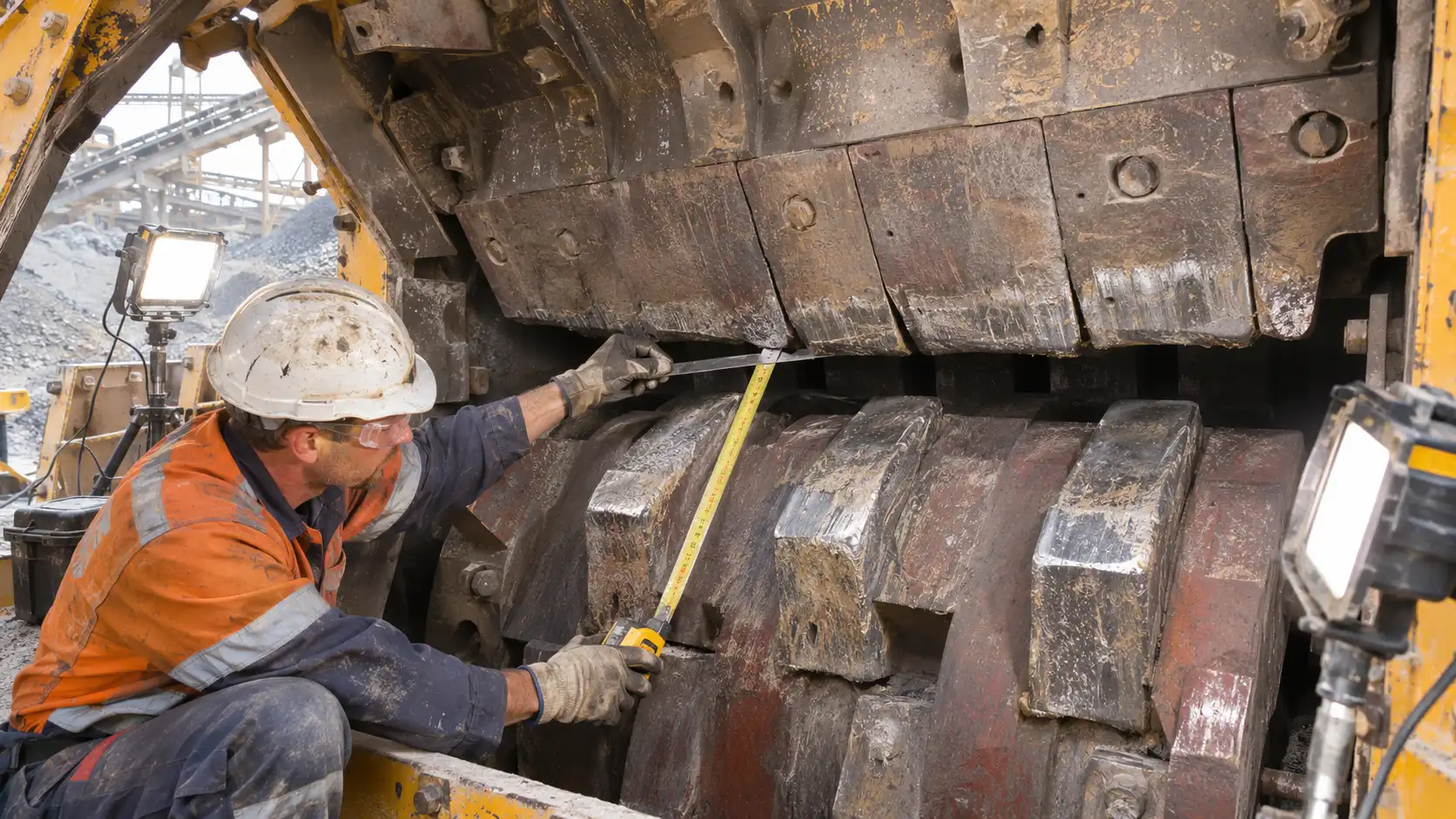
El Crusher Hammer page talks about the crusher hammer. It calls this piece a key, wear-resistant, yet breakable part inside hammer crushers. It joins right into fast, hard-hitting crushing jobs. People use it a lot in mine crushing and gravel making.
ElWear Castings page points out a special tooth plate. This plate fits a Star jaw crusher. Workers place it right in the crushing chamber. There, it works with the moving jaw. Together, they crush dirt by pressing it hard.
Do you need to ask for a jaw-crusher wear part? First, name the crusher. Then, tell us the exact spot it sits in. Finally, explain how it touches the dirt.
The XS Series Sand Washer page notes normal screen wear. Hitting sand and gravel for a long time causes this. That fact backs up the named sand-washer example. But, the service life of screens varies greatly according to working conditions.
How you mine totally changes the tools you need and how you set them up.
El USGS gives a clear guide on mineral extraction. They say underground rock can be drilled and blasted. After that, workers move it to the top using a big truck, belt conveyor, or elevator. Surface mines might need to drill and blast very hard rock. The USGS also points out something neat. Some minerals are super soft, so you can mine them right away. Placer jobs use washing and sluicing steps. This helps them group up the heavier minerals.
These ideas show why you must link your tool list to your mining way. You cannot pull them apart. You still have to check site conditions and what the dirt is like. You must also check final product needs and the process path. Do all of this before you pick a full plant.
Look at the proven products FAQ . It asks for the ore type and raw stone size. It also wants to know discharge needs, production capacity, and site working conditions. You need these facts when picking out your tools.
Are you asking about a wear part? Make sure to give the equipment name and part name. Give the install spot, clear photos, and old-part sizes. Also, share notes from your fix-it team. A good check should answer four main questions:
We looked at the current Star Machinery pages. Based on those, the proven list for this guide covers a few items. It includes crushers, vibrating feeders, and vibrating screens. It also lists belt conveyors, sand-making machines, and sand washers. Crushing and screening production lines make the list too, along with known wear castings.
The crushing and screening equipment page shows a normal setup. This layout uses a vibrating feeder and a jaw-type coarse crusher. It adds an impact or cone crusher, plus a sand-making machine. You will also see a vibrating screen, belt conveyor, sand-washing equipment, and dust-removal equipment.
Drills, big haul trucks, and deep underground support are just broad mining terms here. The same goes for grinding mills, flotation machines, and gravity-separation units. Thickeners, filters, and tailings systems fit in this broad group too. We do not call them proven star Machinery products right now.
A good question should link your project, the tool, and the part. Tell the seller the material type and the feed size. Share your wanted discharge size, capacity goal, and real site conditions. Also, list the machine name, part name, install spot, and any fix-it notes you have.
Doing this gives a seller a great place to start. Then, they can talk to you easily about crushing, screening, conveying, or washing equipment.
Mining wear parts are machine pieces that take a beating. They hit rock, ore, sand, or gravel over and over when the machine runs. Crusher hammers, jaw plates, and sand-washer screens are proven items we cover in this guide.
There is no single tool found at every single mine. But, you will see some common groups. These include extraction equipment and material-handling equipment. You also see crushers, screens, washers, and mineral-processing equipment. Your exact tool mix depends on your mining way and the dirt type.
Their proven list handles crushing, screening, conveying, and sand washing. It also covers sand making, production lines, and tracked wear castings. However, current facts do not prove everything. For example, drills, haul trucks, and grinding tools are not proven star Machineryproducts yet. Flotation, gravity separation, thickening, filtration, or tailings equipment are also not on their proven list.
Make sure to send the material type and the raw feed size. Share your discharge needs, capacity goals, and site conditions. Give them the machine name, part name, and its exact spot. Finish up by adding any clear photos or part sizes you have.