
Why Is Your Impact Crusher Returning Too Much Material?

An impact crusher can receive too much return material when its discharge gets coarser or when the screen sends finished-size particles back for another pass. Both problems can occur at once. Start with a sieve analysis of the return belt material. If most of the extra return is genuinely oversize, compare the crusher discharge and fresh feed with their normal gradations. If the return contains a growing share of particles that should pass the screen, check the screen first.

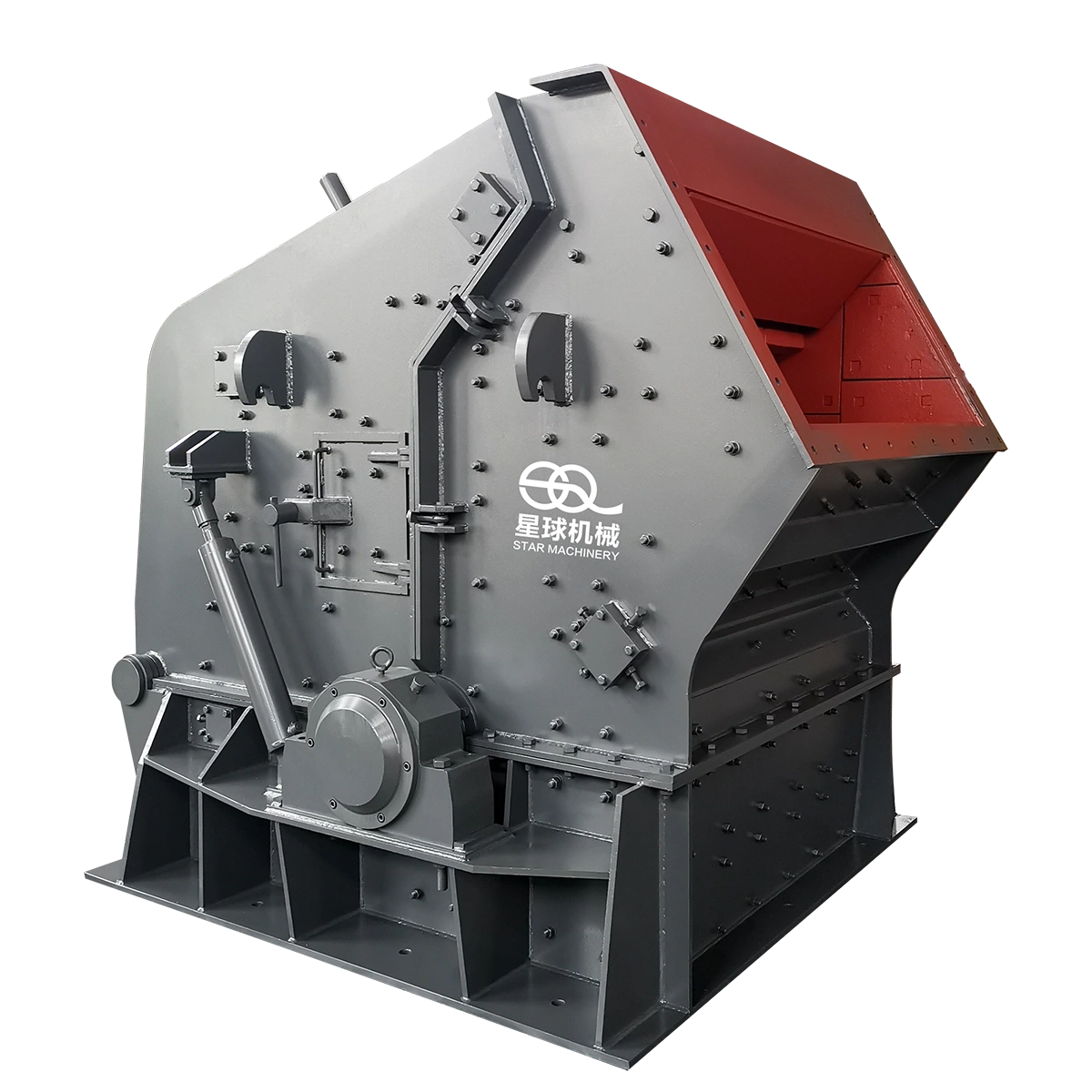
This guide covers closed circuits that use a horizontal-shaft impactor, such as the Star Machinery PF Impact Crusher, for secondary crushing after the primary crusher.
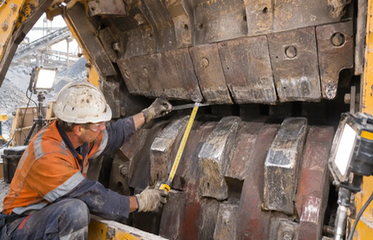
Engineer measuring the clearance gap between rotor blow bars and apron plates inside an open impact crusher.

What Counts as Too Much Return Material?

In a closed circuit, the screen separates the crusher discharge by size. Material that passes the relevant deck goes to the next stage or to a product stockpile. Oversize travels back to the crusher. Some return is part of normal operation. The return belt adds to the load from fresh feed, so a sustained rise in recirculation can consume capacity that would otherwise be available for new material. McLanahan’s guide to open and closed circuits

Track circulating load as return mass flow ÷ fresh feed mass flow × 100%, with both flows measured over the same stable operating period. Record the two flow rates alongside the percentage. A drop in fresh feed can raise the ratio even if the return belt carries the same tonnes per hour.

Compare the readings with a stable baseline for the same material, product size and circuit setup. Pay particular attention when return tonnes per hour rise while finished-product output drops or crusher load increases.

Sample the Return Belt Before Adjusting the Impact Crusher

Check How Much Return Material Is Already On Size

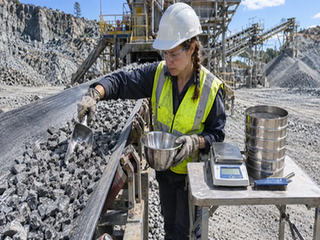
Use approved sampling points and collect representative samples during steady operation. Sieve the return sample at the intended separation size and record the mass in each fraction. Compare the result with a baseline sample if one is available. Multiplying the on-size mass fraction by the return flow rate estimates how many tonnes per hour of finished-size material are being sent back.

A high on-size fraction directs attention to screening. Look at the size distribution within that fraction as well. Particles just below the cut size can be harder to screen than much smaller particles. A large share of material well below the cut size warrants a close look at blocked openings, uneven loading or the installed screen media.

Compare the Return Sample With Crusher Discharge

Take a crusher discharge sample upstream of the screen during the same operating period. If discharge has become coarser and the return is mostly oversize, check what changed in crushing or feeding. If discharge gradation is steady but more on-size particles appear in the return, investigate the screen. When both trends appear, work through both parts of the circuit and measure each change separately.

When the Return Is Mostly Oversize

Check Blow Bar Wear and the Apron Gap

Gradual coarsening under similar feed conditions can point to worn blow bars, worn impact plates or a change in the effective apron gap. During an isolated shutdown, inspect wear across the rotor width and check the actual gap using the measurement procedure for the installed impact crusher. Compare it with the last setting that produced acceptable gradation and the limits in the machine manual. Consult the model documentation when selecting impact crusher wear parts.

A wider effective gap can allow coarser material to leave the crushing chamber. Closing the gap also changes the crusher’s operating conditions and may increase fines. Confirm the cause with the discharge sample before changing the setting.
screenshot_2026-11-13_18-13-50

Compare Feed Size, Feed Rate and Rock Properties

Check whether the primary crusher is sending larger lumps or a higher share of coarse material downstream. Review feeder trends for surges and compare the timing with peaks on the return belt. A change in rock source can also change how readily the feed breaks and how quickly wear parts lose their profile. Record feed size, rate and material source alongside the crusher discharge sample so the next comparison accounts for those changes.

When the Return Contains Too Much On-Size Material

Check for Screen Blinding and Pegging

Wet fines and clay can coat the screen surface and blind openings. Near-size stones can lodge in individual openings, a condition known as pegging. Both reduce the open area available for finished-size particles to pass. If excess return starts after rain or a change in the feed source, compare the on-size fraction in the return with the previous dry or stable run. Metso’s screen blinding case study

Check Deck Loading, Feed Distribution and Aperture Size

A deep bed or material concentrated on one side gives particles fewer opportunities to reach an opening. Check where the feed lands, how evenly it spreads across the deck and whether the problem worsens at higher throughput. If the increase followed a screen media change, verify the installed aperture against the intended cut size and check the finished product with a sieve analysis. Star Machinery vibrating screens

Verify the Change Under Stable Operating Conditions

Change one factor at a time where practical. Once the circuit stabilizes, recheck fresh feed rate, return rate, finished-product throughput and gradation. Use comparable feed and the same sampling points. A lower circulating load is useful when the circuit also maintains or improves compliant product output. Keep the readings as the baseline for the next change in feed, screen media or wear parts.
الكلمات المفتاحية:
الصورة الرمزية

مسؤل

الملف الشخصي

التعليمات

واحد
مدّت ذراعها السفلى بالكامل نحو المشاهد. ثم التفت غريغور لينظر من النافذة إلى الطقس الكئيب. كانت عينات الأقمشة مبعثرة على الطاولة.

اثنين
مدّت ذراعها السفلى بالكامل نحو المشاهد. ثم التفت غريغور لينظر من النافذة إلى الطقس الكئيب. كانت عينات الأقمشة مبعثرة على الطاولة.

ثلاثة
مدّت ذراعها السفلى بالكامل نحو المشاهد. ثم التفت غريغور لينظر من النافذة إلى الطقس الكئيب. كانت عينات الأقمشة مبعثرة على الطاولة.

منتجات

كسارة فكية من مادة PEPEX (2)

كسارة ارتفاع PE/PEX

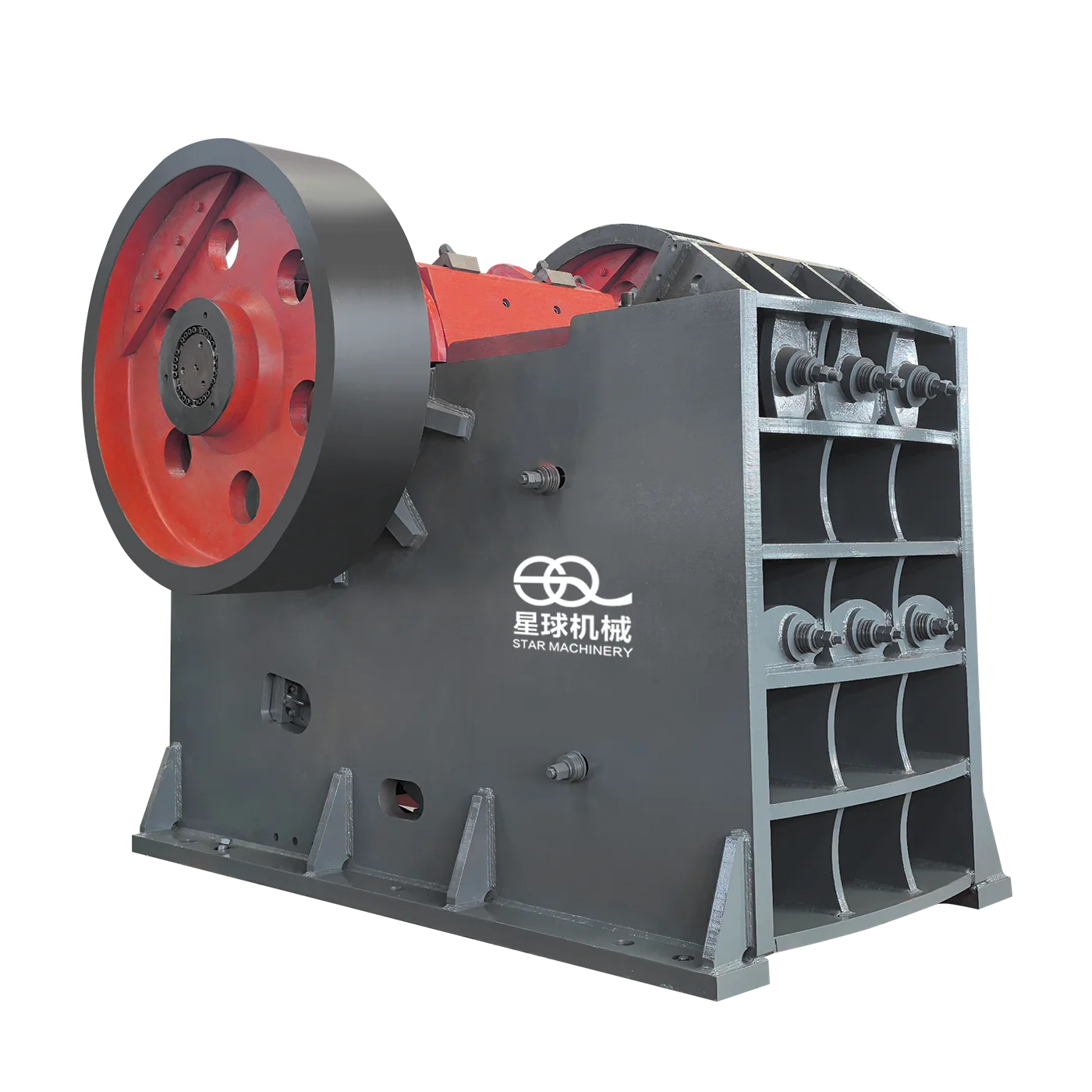
تُستخدم الكسارة الفكية في المرحلة الأولى من تكسير جميع أنواع الخامات والصخور. وهي قادرة على معالجة خامات متنوعة ذات مقاومة ضغط لا تتجاوز 320 ميجا باسكال، وصولاً إلى حجم جسيمات متوسط، في عملية واحدة. وغالبًا ما تُشكل الكسارة الفكية مجموعة متكاملة من خطوط إنتاج الرمل والحجر، إلى جانب الكسارات المخروطية، والكسارات الصدمية، وآلات تصنيع الرمل، وغيرها. وتُستخدم هذه الكسارات على نطاق واسع في المناجم، والتعدين، والصناعات الكيميائية، ومواد البناء، والطاقة الكهربائية، والموارد المائية، والنقل، وغيرها من المجالات. وتُستخدم سلسلة PE لعمليات التكسير الخشن، بينما تُستخدم سلسلة PEX لعمليات التكسير المتوسط ​​أو الناعم، لتلبية احتياجات التكسير المختلفة.
هو نوع من معدات التكسير يتميز ببنية بسيطة وأداء مستقر. وبفضل قدرته الفعالة على التكسير، أصبح أحد المعدات الأساسية لتكسير المواد في المناجم ومختلف المجالات الصناعية.
كسارة فكية من سلسلة JC رقم 001

كسارة فكية من سلسلة JC

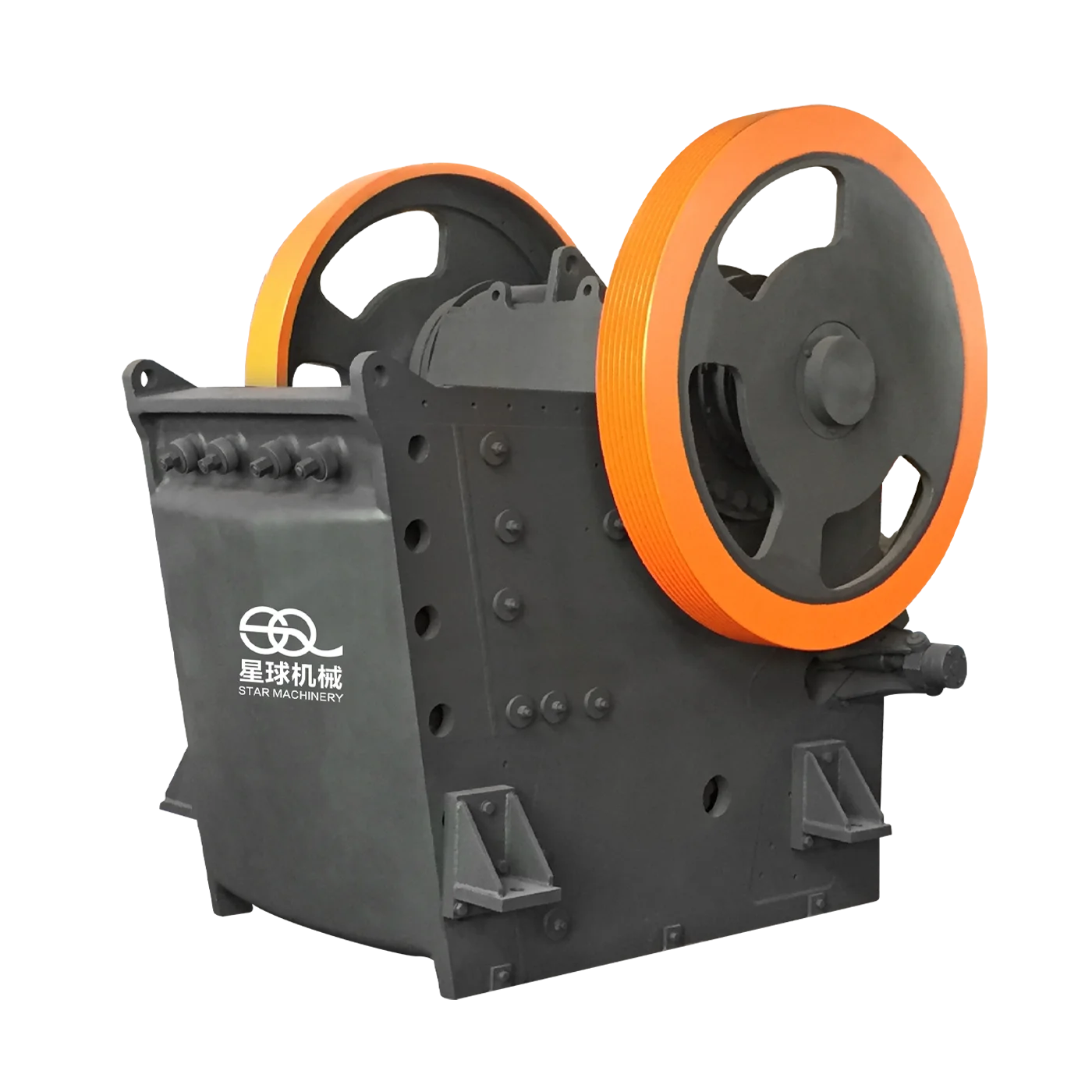
يعود ظهور الجيل الجديد من الكسارات الفكية JC إلى تراكم الخبرات الغنية والاعتماد الواسع لتقنيات المحاكاة الحاسوبية والتصميم بمساعدة الحاسوب (CAD). بالمقارنة مع الجيل السابق من الكسارات الفكية، تتميز كسارة JC بقوة أكبر ووزن أخف. وبفضل إنتاجيتها العالية وتكلفتها المنخفضة، تُعدّ الخيار الأمثل لمعظم المستخدمين.
تم تصميم كسارة الفك JC باستخدام تقنية CAD الحديثة، وتم تحليل جميع النماذج بواسطة تقنية العناصر المحدودة لضمان أن يكون مستوى الإجهاد الداخلي ضمن النطاق المناسب، مما يجعل كسارة JC في النهاية تتمتع بخصائص القوة الهيكلية العالية ووزن المعدات الخفيف.
يعزز هذا التصميم قوته ويقلل من وزن المعدات. ويتميز بمزايا الإنتاجية العالية، والتكلفة المنخفضة، والقوة الهيكلية العالية، وخفة وزن المعدات.
كسارة الفك من سلسلة EC (1)

كسارة فكية من سلسلة EC

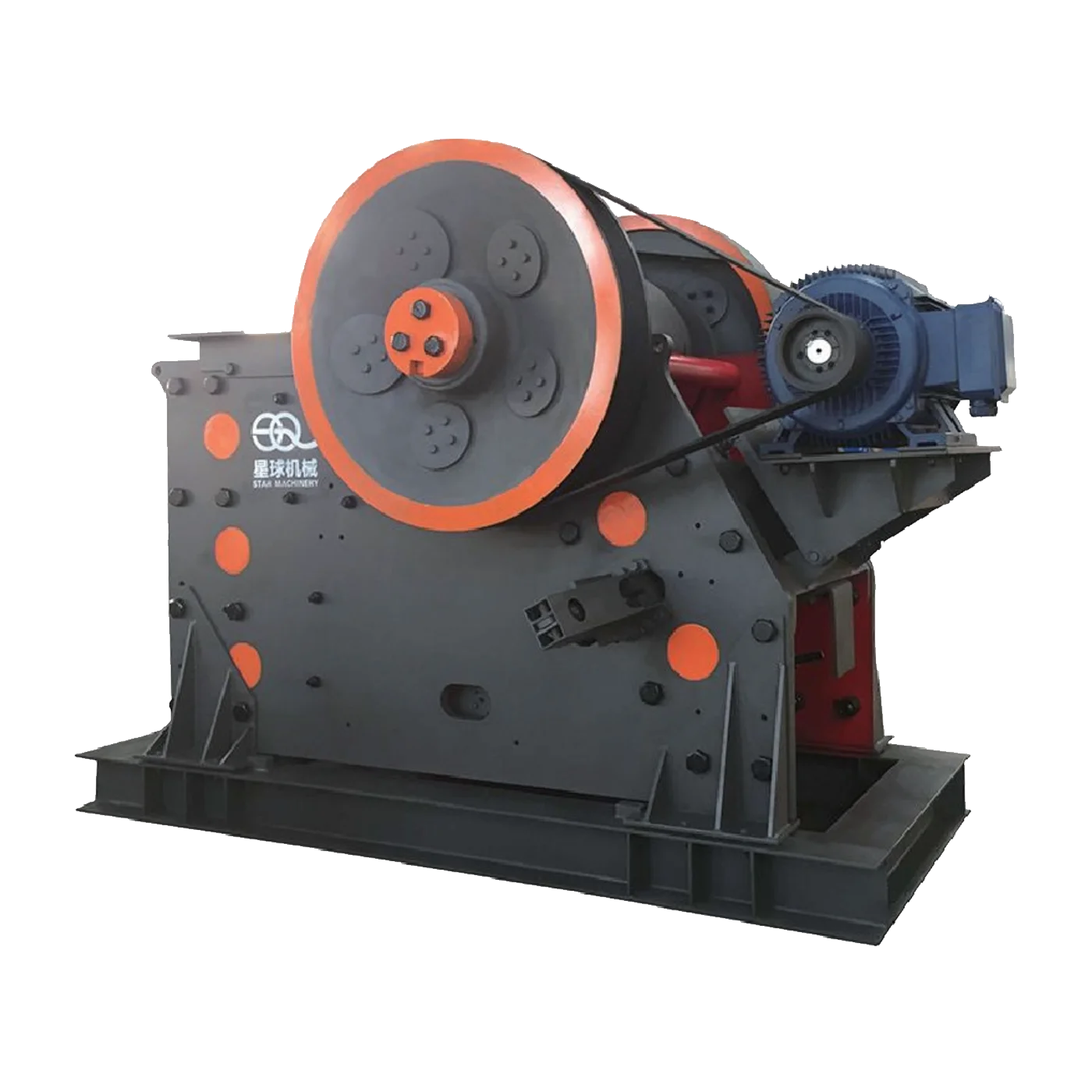
تم تطوير وتصميم كسارة الفك من سلسلة EC من شركة Star Machinery خصيصًا لسحق مختلف أنواع الصخور الصلبة. تتميز هذه الكسارة بهيكل معياري مبتكر خالٍ من اللحام، مما يمنحها مقاومة فائقة للإجهاد، وموثوقية عالية، وإمكانية تركيبها بطرق متعددة. وبفضل هيكلها المتوازن والدقيق، تُعد كسارة الفك من سلسلة EC اقتصادية وسهلة التركيب. كما أنها تتميز باستخدام مكونات فولاذية مصبوبة عالية الجودة وأجزاء مقاومة للتآكل، مما يمنحها قابلية تطبيق ممتازة، وكفاءة اقتصادية فائقة، وتكاليف تشغيل منخفضة.
استناداً إلى تطوير وتصميم ظروف الصخور الصلبة المختلفة، فإنه يعتمد هيكلاً إطارياً معيارياً مبتكراً وغير ملحوم، والذي يتميز بمزايا التركيب الاقتصادي والبسيط.
PF-Impact-Crusher-1-1

كسارة الصدمات PF

تُركّب الكسارة الصدمية في منتصف عملية التكسير بعد الكسارة الخشنة، وهي قادرة على تكسير الخامات والصخور ذات مقاومة ضغط لا تتجاوز 360 ملي باسكال، وتتميز بقدرة معالجة عالية وتفريغ دقيق. يكون المنتج المكسّر مكعب الشكل، وقليل الحبيبات الإبرية، وخالٍ من الشقوق الداخلية. تُعدّ هذه الكسارة الخيار الأمثل لإنتاج أحجار عالية الجودة في مشاريع الطرق السريعة، ومشاريع الري، والمطارات، والبناء، وغيرها من الصناعات.
تُستخدم هذه الآلة في عمليات التكسير الخشن والمتوسط، وتستطيع معالجة خامات الصخور المقاومة للضغط حتى 360 ميجا باسكال. تتميز بحجم معالجة كبير، وتفريغ دقيق، ومنتج نهائي مكعب الشكل، مما يجعلها مناسبة لإنتاج أحجار عالية الجودة في مشاريع الطرق السريعة، ومشاريع الري، وغيرها من الصناعات.
PY-Cone-Crusher-001-1

كسارة مخروطية PY

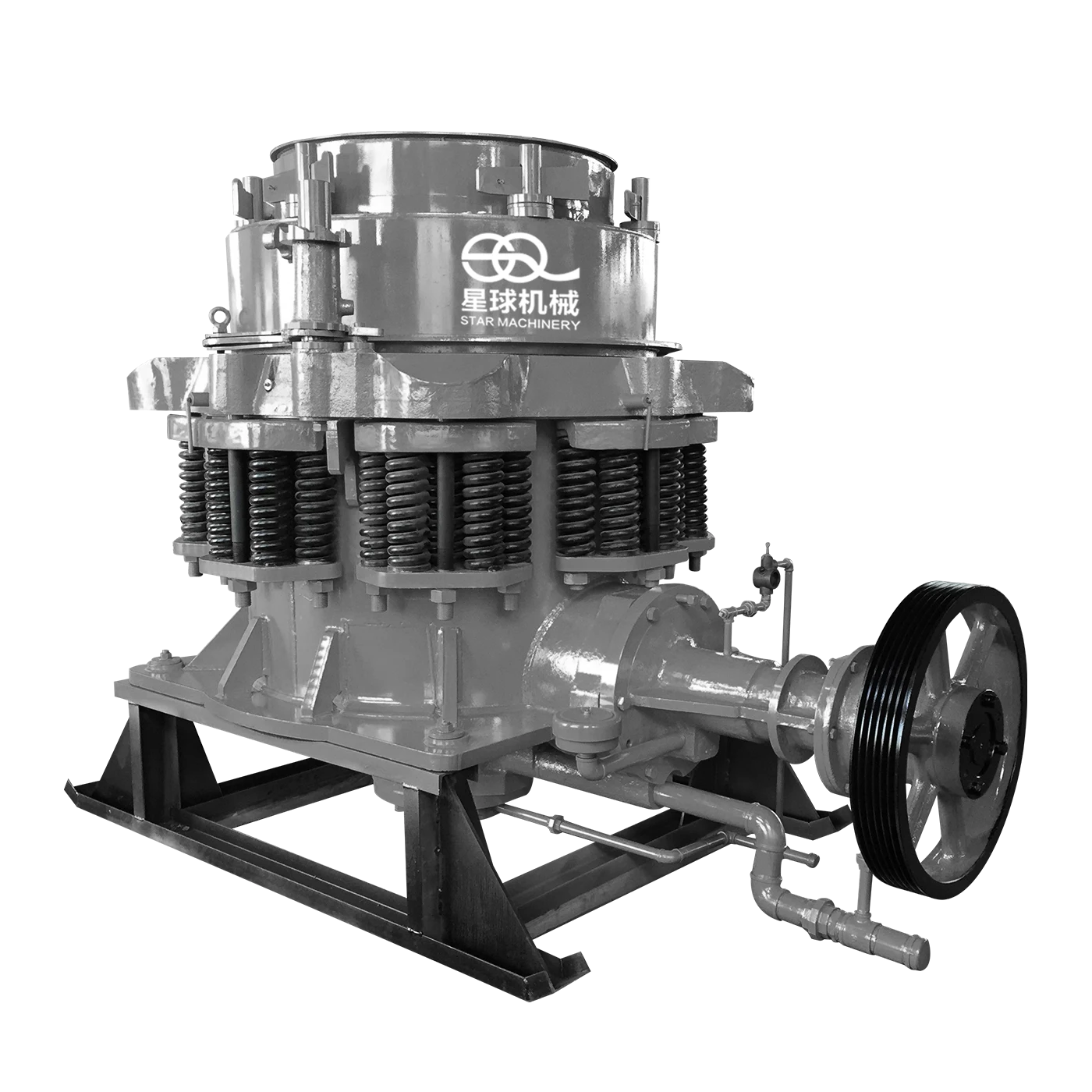
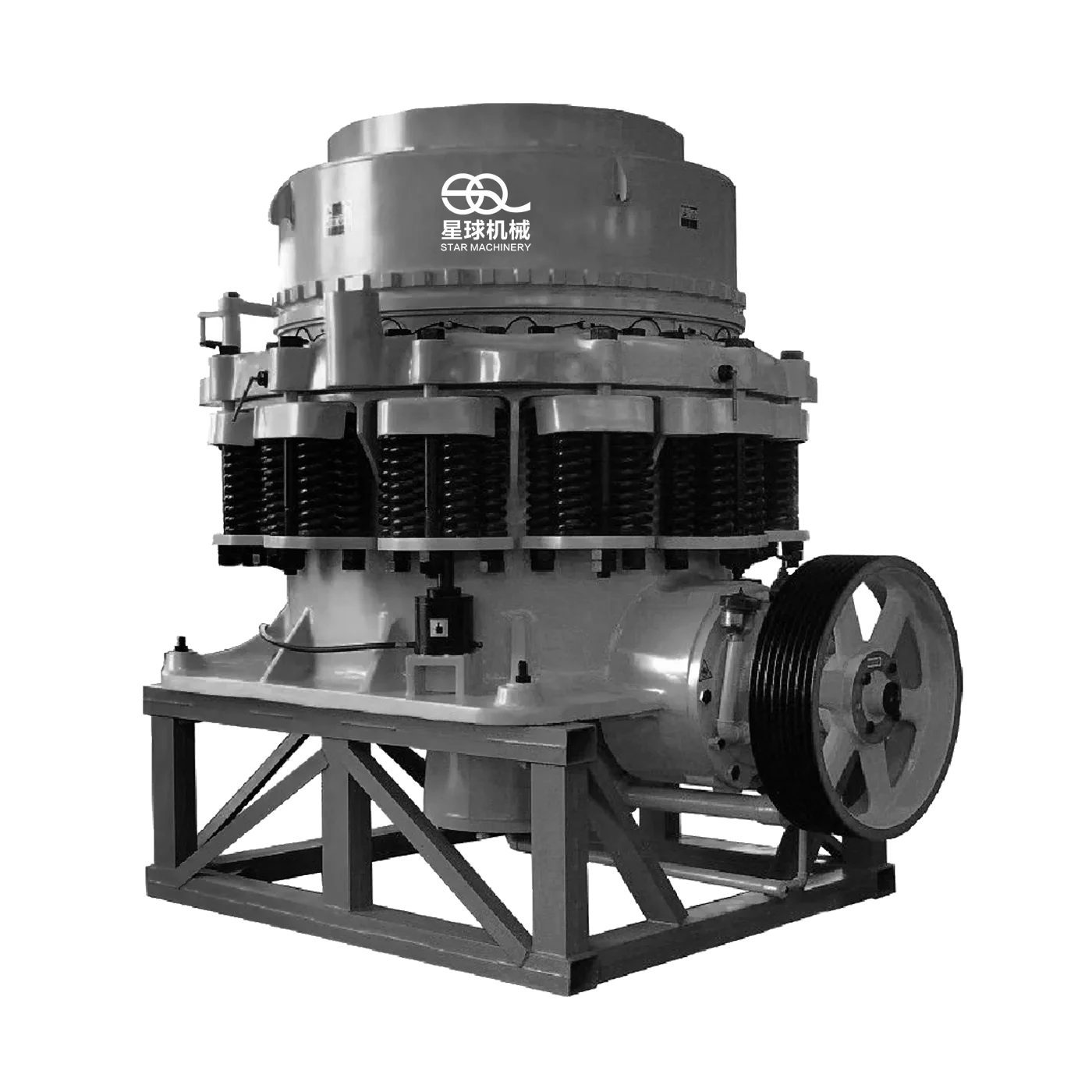
تُستخدم هذه السلسلة من الكسارات لسحق جميع أنواع الخامات والصخور متوسطة الصلابة أو أعلى. تتميز ببنية متينة، وكفاءة إنتاجية عالية، وسهولة في الضبط، واقتصادية في التكلفة. نظامها الزنبركي للحماية من الحمل الزائد يسمح بمرور كتلة الحديد الغريبة عبر تجويف السحق دون إلحاق الضرر بالآلة. تعتمد الكسارة على نظامين للعزل، أحدهما بالزيت الجاف والآخر بالماء، لعزل مسحوق الحجر عن زيت التشحيم وضمان التشغيل الموثوق. يُحدد شكل تجويف السحق حسب نوع الخام؛ فالنوع القياسي مناسب للسحق المتوسط، بينما النوع ذو الرأس القصير مناسب للسحق الدقيق.
يتميز هذا المنتج بمزايا عديدة منها كفاءة الإنتاج العالية، وانخفاض استهلاك الطاقة، وتجانس حجم جزيئات المنتجات النهائية، وطول عمر الخدمة، وما إلى ذلك.
كسارة مخروطية PYF 001

كسارة مخروطية PYF

يُستخدم هذا الجهاز بشكل أساسي في مراحل التكسير الثانوية والثالثية لخطوط الإنتاج. وله استخدامات واسعة النطاق، حيث يُمكن استخدامه في صناعات متنوعة مثل التعدين، ومواد البناء، وإنشاء الطرق، والصناعات الكيميائية، وغيرها. يُمكنه تكسير جميع أنواع الخامات والصخور ذات الصلابة المتوسطة فما فوق بسهولة، دون القلق بشأن عدم ملاءمة صلابة المادة. يتوفر هذا الجهاز بنموذجين: النموذج القياسي، المُستخدم بشكل أساسي في عمليات التكسير الخشن والمتوسط، والنموذج ذو الرأس القصير، المُناسب لعمليات التكسير المتوسط ​​والناعم.
يُستخدم عادةً في عمليات التكسير الثانوية والثالثية. وهو مناسب لتكسير جميع أنواع الخامات والصخور ذات الصلابة المتوسطة وما فوق.
اتصال

اتصل بنا

    منتجات
    جهات الاتصال
    واتساب
    بريد إلكتروني