سبتمبر 18, 2026
)
 مسؤل
مسؤل A crusher reduces bulk material to a usable size. A jaw crusher applies compression: a movable jaw presses feed against a fixed jaw. A hammer crusher applies repeated impact from a rotating rotor fitted with hammers. That mechanical difference affects the material each machine can accept, the crushing stage, the product shape, and the wear parts a buyer must budget for.
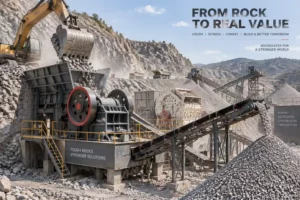
For large, hard, or abrasive feed entering the primary stage, a jaw crusher is usually the starting point. A hammer crusher belongs with relatively brittle feed that responds to impact. The quotation still turns on the project details.
Feed hardness, abrasiveness, moisture, clay, maximum lump size, target fractions, and circuit position matter. A catalogue match may need another configuration once those details are recorded.
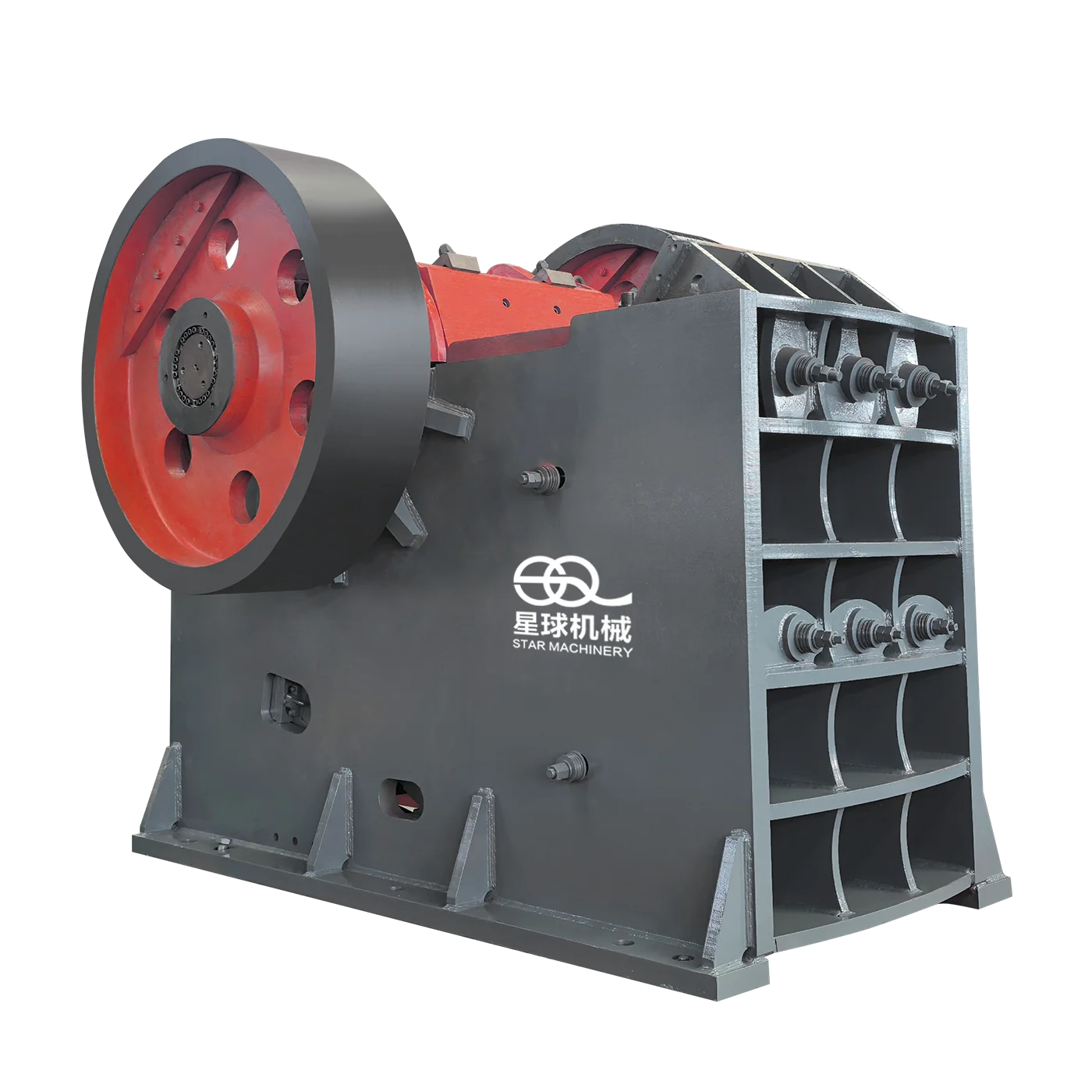
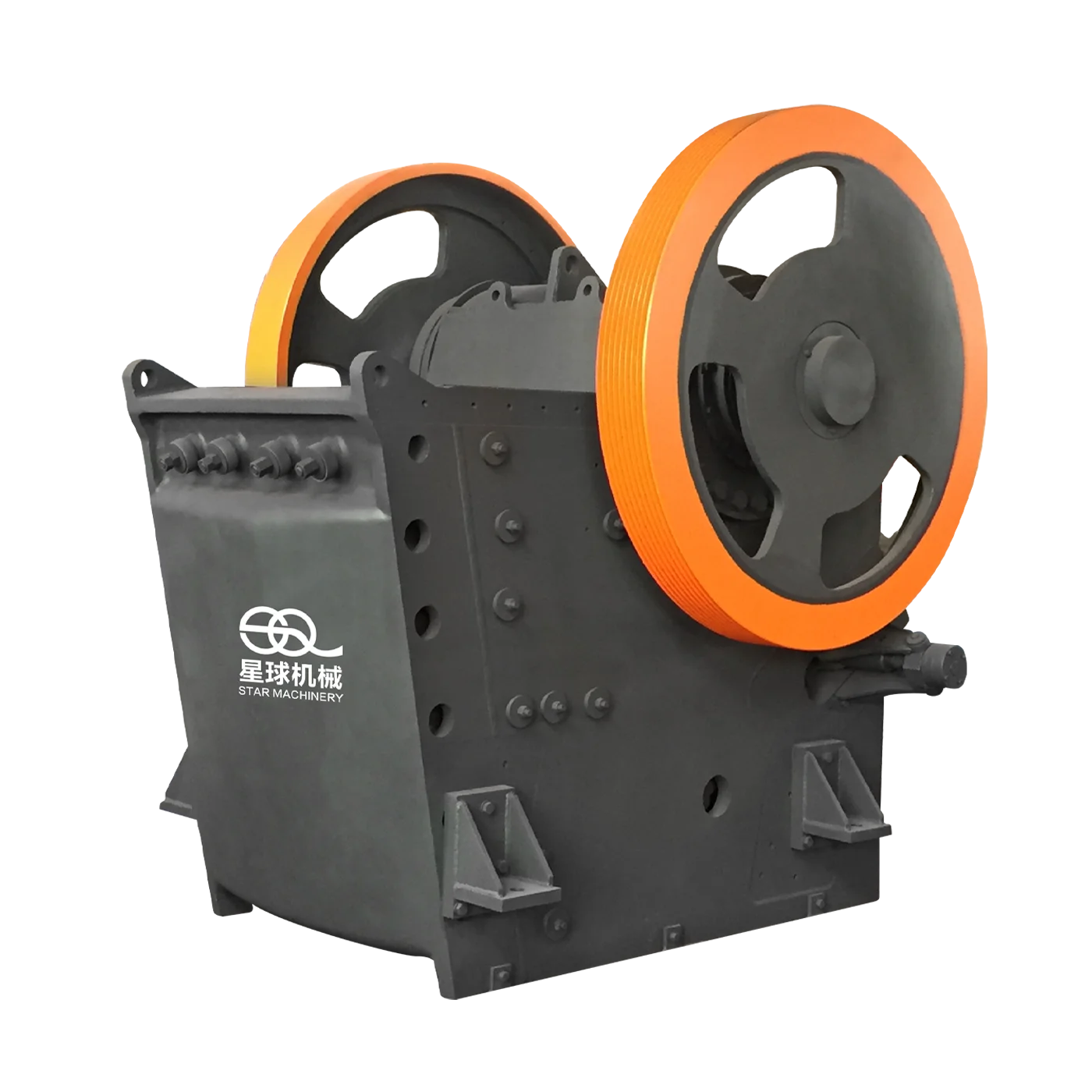
The chamber is formed by a fixed jaw and a movable jaw. As the movable jaw closes, feed is caught and compressed. Pieces leave through the bottom when they fit the discharge gap.
Force is applied during part of the jaw cycle; the opening movement releases the broken material. The discharge setting works with the downstream screen to determine the product size.
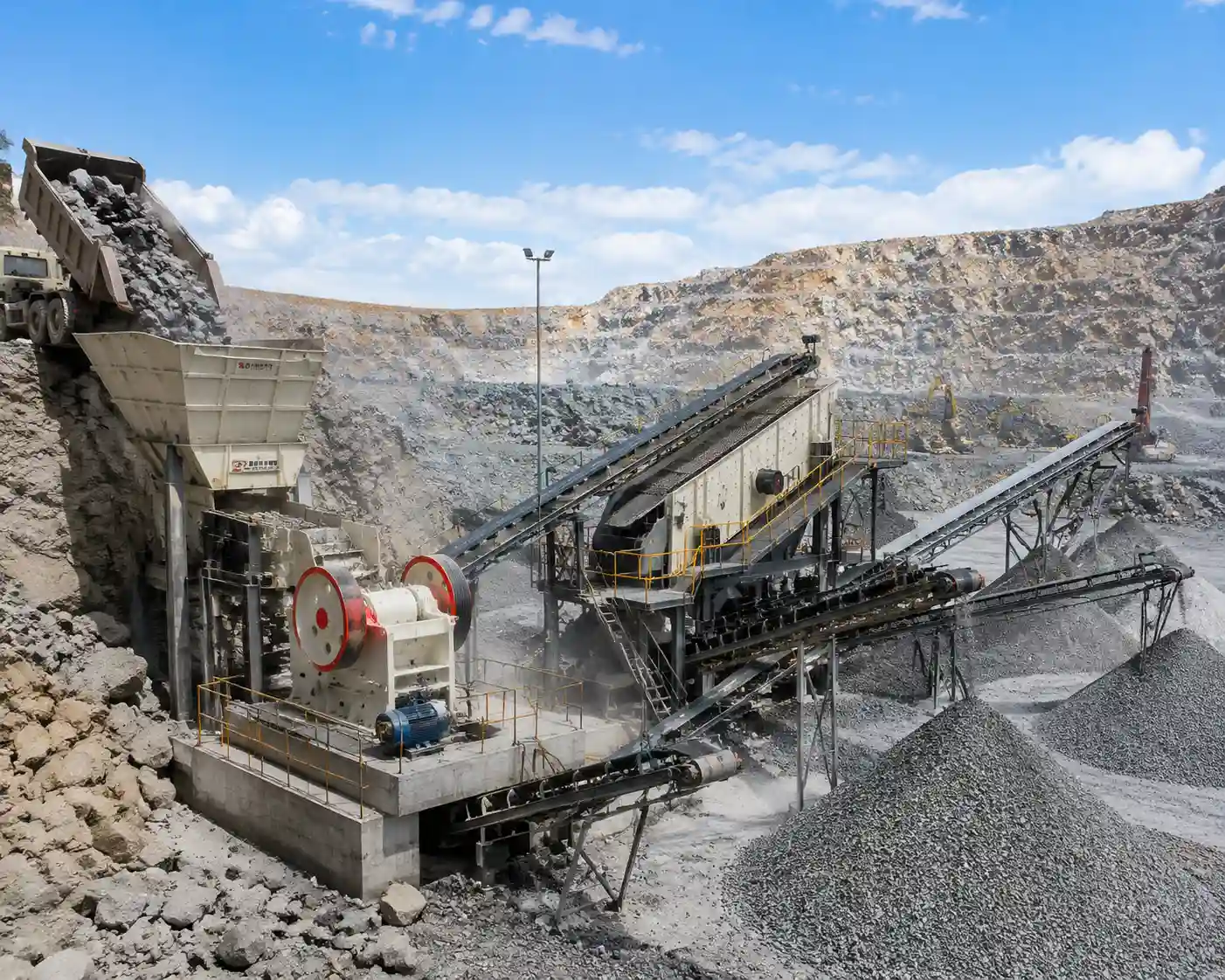
That is why jaw crushers are commonly placed at the front of circuits handling hard rock, ore, quarry stone, or mixed demolition feed. Acceptable feed size and capacity still belong to the selected model and its operating conditions.
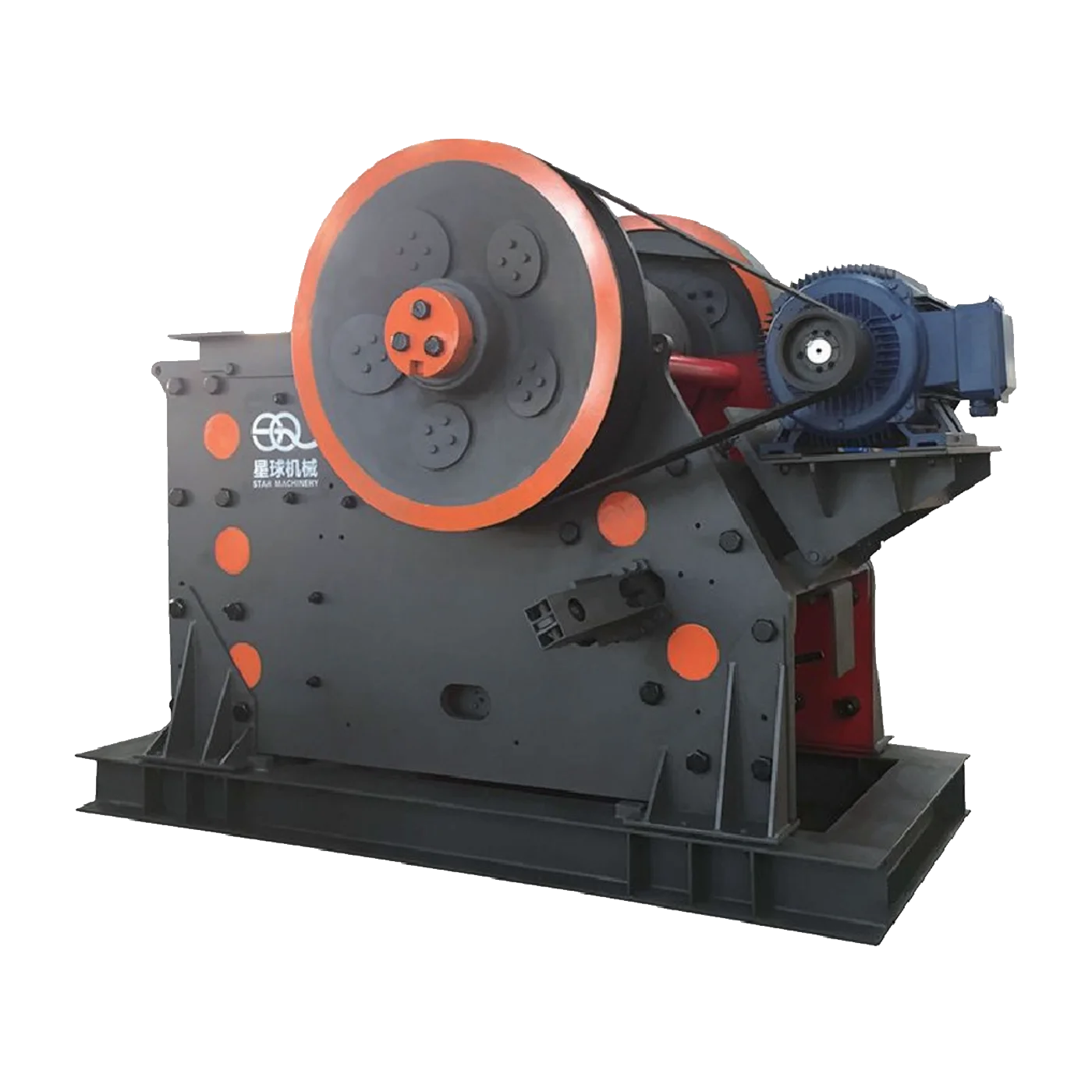
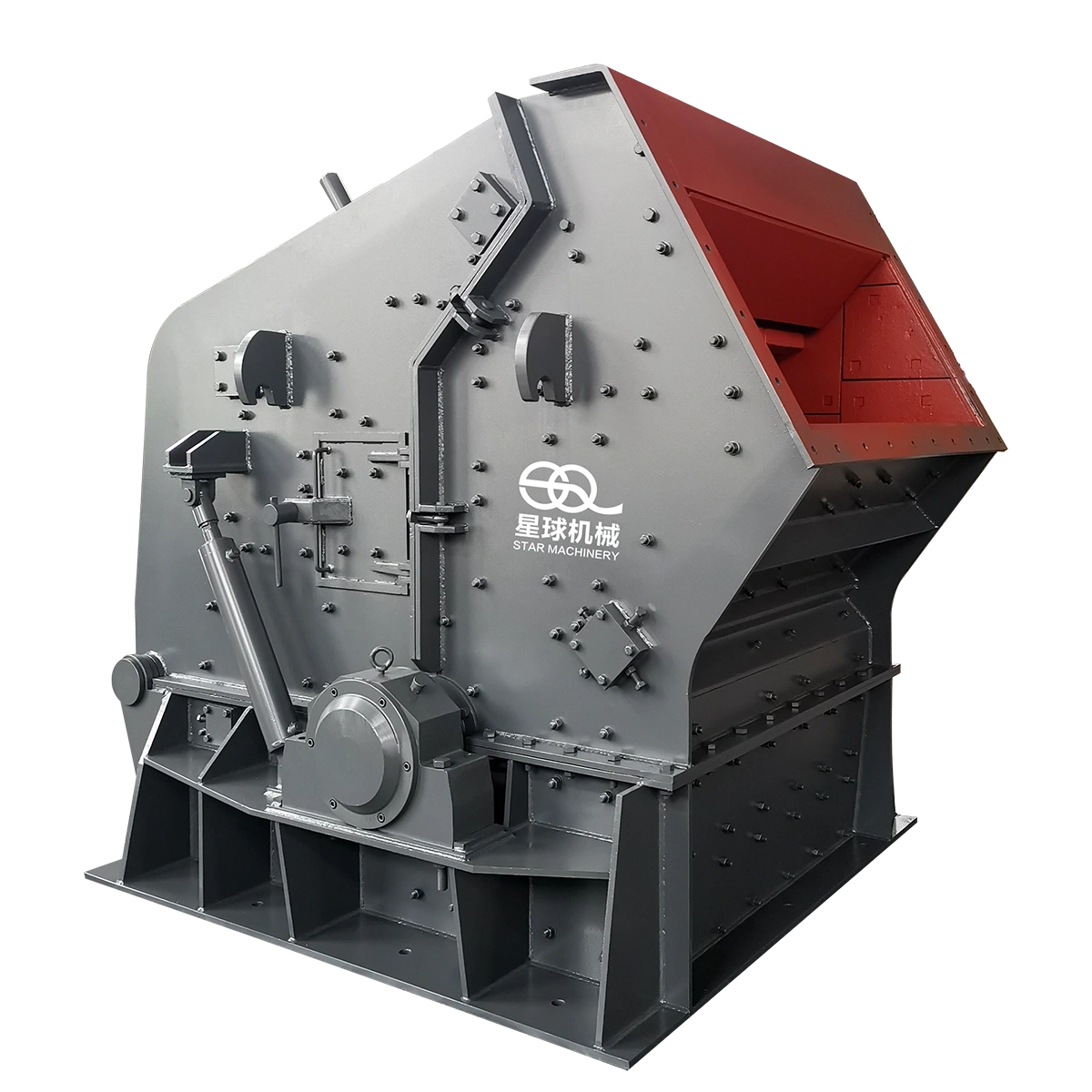
A hammer crusher uses a high-speed rotor with hammerheads attached to it. Feed enters the crushing chamber and is struck by the rotating hammers. Broken pieces meet breaker surfaces and may pass through a grate or screen once they reach the configured size.
Impact breakage suits material that fractures readily under a blow. Limestone, gypsum, coal, and some glass or ceramic streams may fit after supplier review. “Brittle” describes how the material breaks.
Hard abrasive feed can consume hammerheads and other internal parts quickly. Damp or sticky material can slow grate or screen flow. Tramp metal introduces a separate chamber-damage risk. When feed varies, ask for a test or written configuration confirmation.
| Criterion | Jaw crusher | Hammer crusher | Buyer implication |
| Main action | Compression between fixed and movable jaw plates | Repeated impact from rotor-mounted hammers | Match the force to how the material fractures |
| Usual duty | Primary reduction of large feed | A reduction stage for suitable brittle feed | Confirm the position in the circuit |
| Material review | Hardness, abrasiveness, lump size, and tramp material | Brittleness, abrasiveness, moisture, clay, and tramp material | Send a representative feed description |
| Product control | Jaw discharge setting plus screening | Hammer configuration and grate or screen arrangement | Define target fractions with measured size ranges |
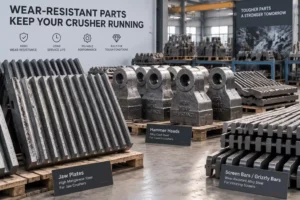
| Main wear parts | Jaw plates and related chamber wear surfaces | Hammerheads, breaker surfaces, and grates/screens | Compare replacement access and spare-parts planning |
Compression loads feed between two surfaces, concentrating the crushing event at the jaw faces. Impact sends energy through a moving hammer and repeated contact with chamber surfaces. The abrasive character of the feed then determines much of the wear discussion.
Material names are only a starting point. Feed sold under one name can vary in moisture, clay, abrasiveness, and fracture behaviour. Base the quotation on the actual feed description and use a sample or test plan when needed.
The jaw crusher normally receives the larger feed at the front of a circuit. A screen can take out on-size material and return oversize for another pass. With a hammer crusher, the result depends on the rotor, grate, feed, and discharge configuration.
Jaw maintenance centres on the jaw plates and the surfaces forming the chamber. Hammer maintenance involves hammerheads plus the breaker or grate components receiving repeated impact. Wear changes with the material and duty, so a service-life number without those conditions has little purchasing value.
Ask for the wear-part list, inspection points, replacement procedure, and recommended spares. Those documents give a firmer maintenance picture than a broad operating-cost claim.
Moisture and clay change how material moves through a crusher and screen. Sticky feed may bridge, pack, or restrict a grate. Metal contamination creates a separate impact-equipment risk because the rotor and internal surfaces meet the foreign object at speed.
Record these conditions before selecting a crusher. When feed changes by season or source, send the full range. That gives the supplier a basis to review pre-screening, tramp-metal control, a different stage, or a test.
Choose a jaw crusher when the project starts with large feed and needs primary compression for hard or abrasive material. Mixed rock or demolition feed can follow the same route before screening and further reduction.
Check the maximum feed size, the expected product after the jaw, access for plate replacement, and the secondary equipment that follows. The jaw is one part of the chain.
A hammer crusher fits relatively brittle, lower-abrasion feed and an impact-based reduction step. It has a practical place when the target product and the material’s fracture behaviour suit repeated blows from the rotor.
The boundary matters. Hard abrasive rock, wet or clay-rich feed, and possible tramp metal require a specific review. Have the supplier confirm the hammer, grate, rotor, and protection arrangement against the feed expected at the site.
| Information to send | Why it changes selection | What to ask the supplier to return |
| Material name and source | Indicates expected fracture and variability | Recommended crusher type and application boundary |
| Hardness, abrasiveness, moisture, clay | Influences force choice, flow, and wear | Assumptions, test requirements, and wear-part list |
| Maximum feed size and capacity | Defines chamber and circuit duty | Model, rated basis, and feed arrangement |
| Target product fractions and stage | Sets discharge and screening needs | Flow sheet, screen duty, and recirculation logic |
| Operating hours, utilities, site, mobility | Affects maintenance access and installation | Power, footprint, service documents, and delivery scope |
Send the data as a project brief: operating hours, delivery market, and whether the plant is fixed, portable, or mobile. The supplier can separate a preliminary recommendation from a quotation needing technical confirmation.
Ask how the proposed machine is produced and checked. For a casting-based crusher, ask about casting, heat treatment, machining, assembly, and physical or chemical testing. Request inspection records and the document list supplied with the machine. Star Machinery describes its quality testing and production control.
Confirm installation documents, operator guidance, the spare-parts route, and support available in the delivery market. Star Machinery lists overseas technical service; agree the project response from application data.
Jinhua Star Machinery & Steel Casting Co., Ltd. was established in 1993. Its production covers mining equipment, crushing and screening equipment, and wear-resistant steel castings, with casting, heat treatment, machining, assembly, and physical and chemical testing. It supplies customers in more than 100 countries and offers overseas technical/service support.
For a jaw-versus-hammer decision, use a matched review of feed, stage, output, and wear conditions. Discuss the crushing and screening equipment range against those inputs.
Send material, maximum feed size, capacity, target fractions, site conditions, and delivery market with a crusher selection and quotation request.
Q1: Which is better for hard and abrasive rock, a jaw crusher or a hammer crusher?
A: A jaw crusher is the usual starting point for hard and abrasive rock because it applies compression in the primary stage. Feed size, capacity, target product, and model still control the final choice. A hammer crusher needs a specific wear review for this feed.
Q2: Can a hammer crusher process wet or sticky material?
A: Moisture and clay can restrict flow through the chamber, grate, or screen. Send the expected moisture range and feed condition before a supplier confirms the hammer configuration.
Q3: Is a jaw crusher used as a primary crusher?
A: Yes. A jaw crusher commonly serves the primary stage, where the largest feed enters the circuit. Its discharge setting and the downstream screen determine how the output moves into secondary or later reduction.
Q4: Which wear parts should be compared before buying?
A: Compare jaw plates on a jaw crusher with hammerheads, breaker surfaces, and grates or screens on a hammer crusher. Request the wear-part list, inspection points, replacement procedure, and spare-parts recommendation for the proposed duty.
Q5: What information should a buyer send for a jaw or hammer crusher quotation?
A: Send the material and source, hardness or abrasiveness, moisture and clay, maximum feed size, capacity, operating hours, target fractions, crushing stage, site utilities, mobility, delivery market, and service requirements. The supplier can return a model recommendation, assumptions, and items requiring confirmation from that brief.